

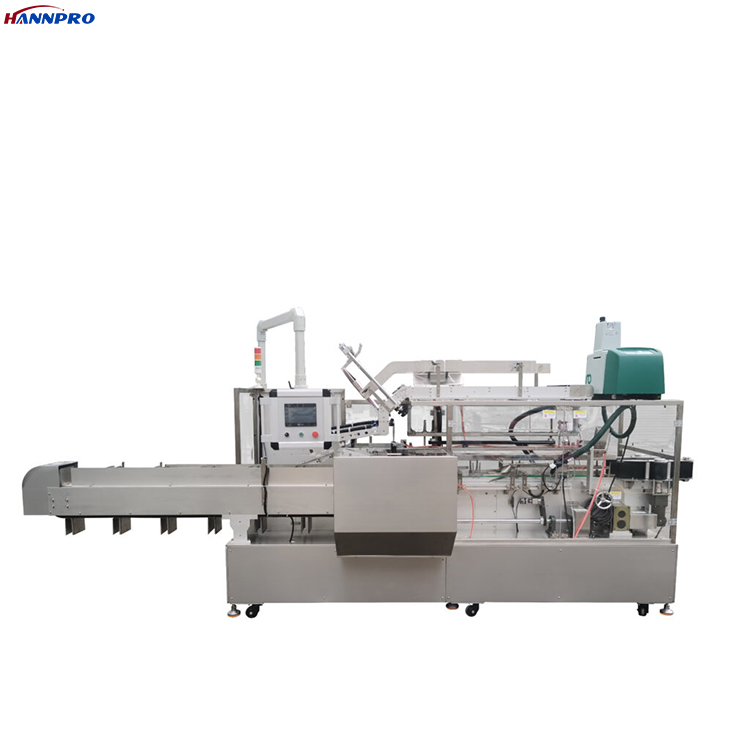
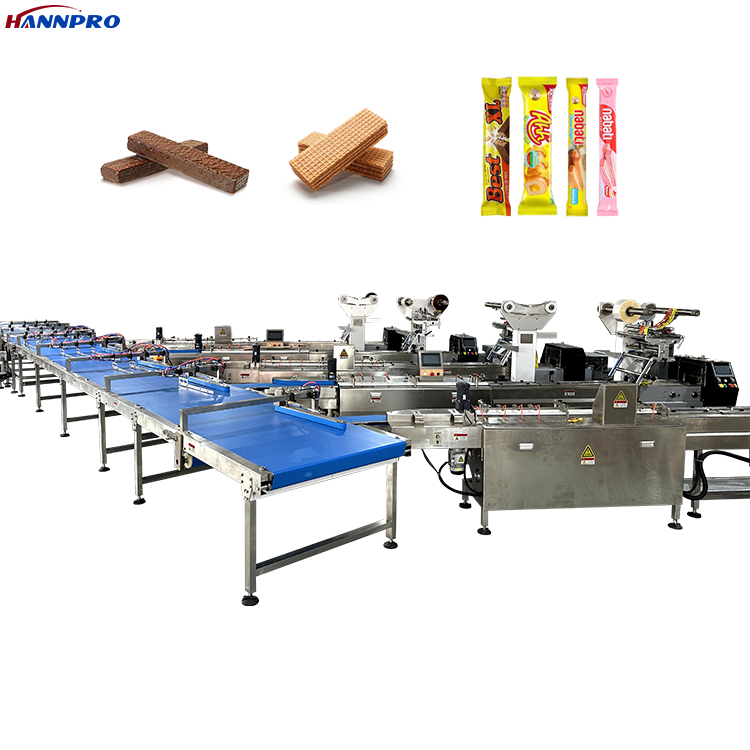
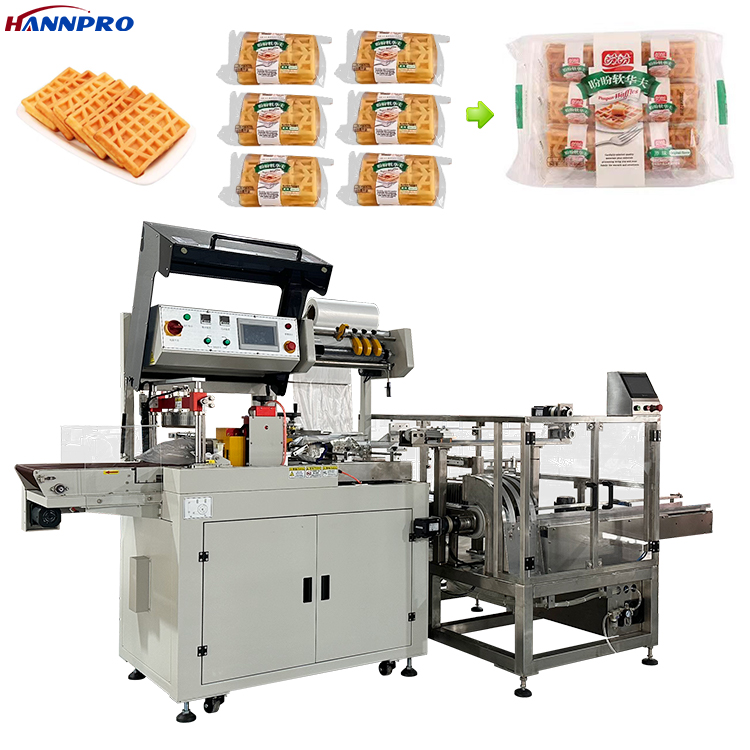
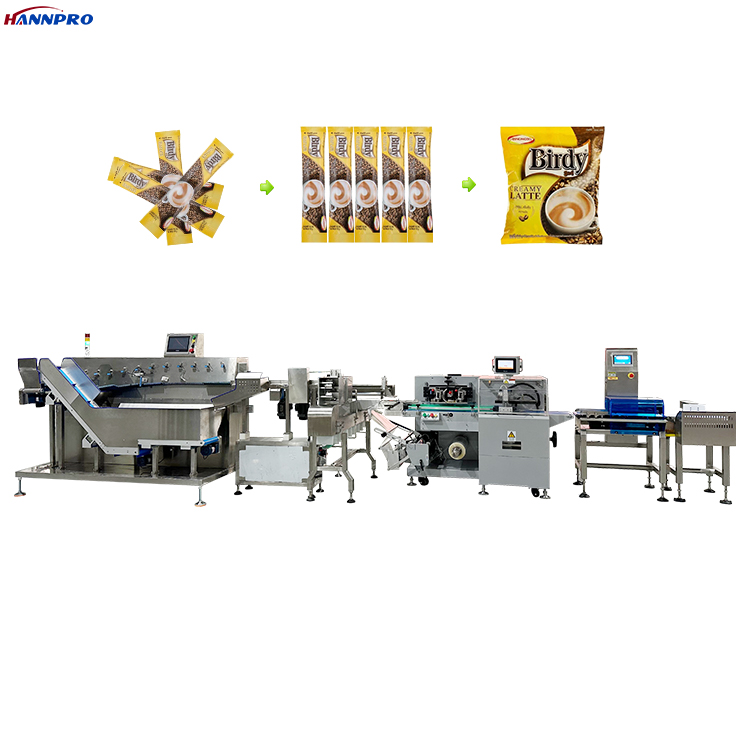
What is the working principle of the automatic packaging machine?
An automatic packaging machine is an automated device that integrates multiple technologies such as mechanics, electronics, pneumatics, and optics. It can automatically complete the entire packaging process from material input to product output. Here is a detailed analysis of its working principle:
Core workflow
The workflow of an automatic packaging machine typically includes the following key steps:
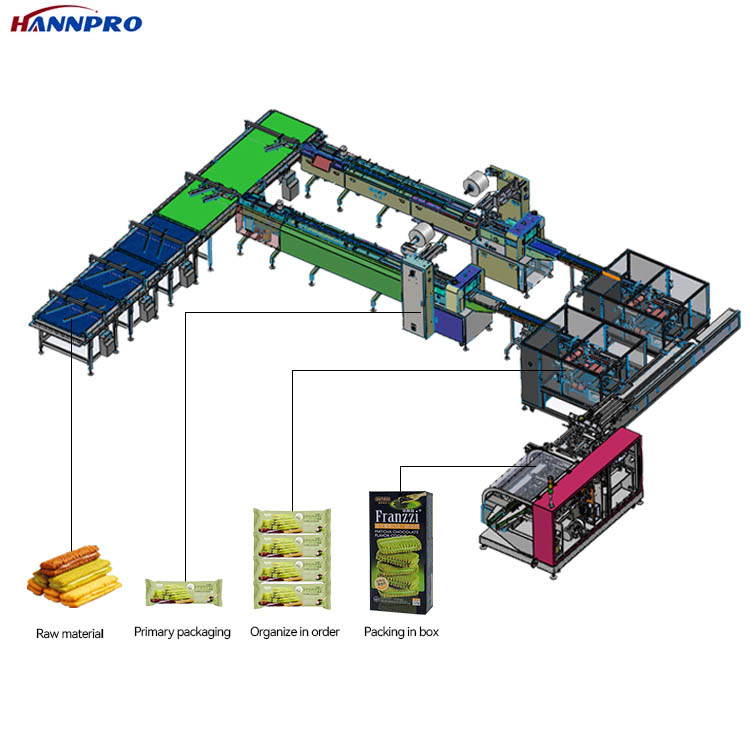
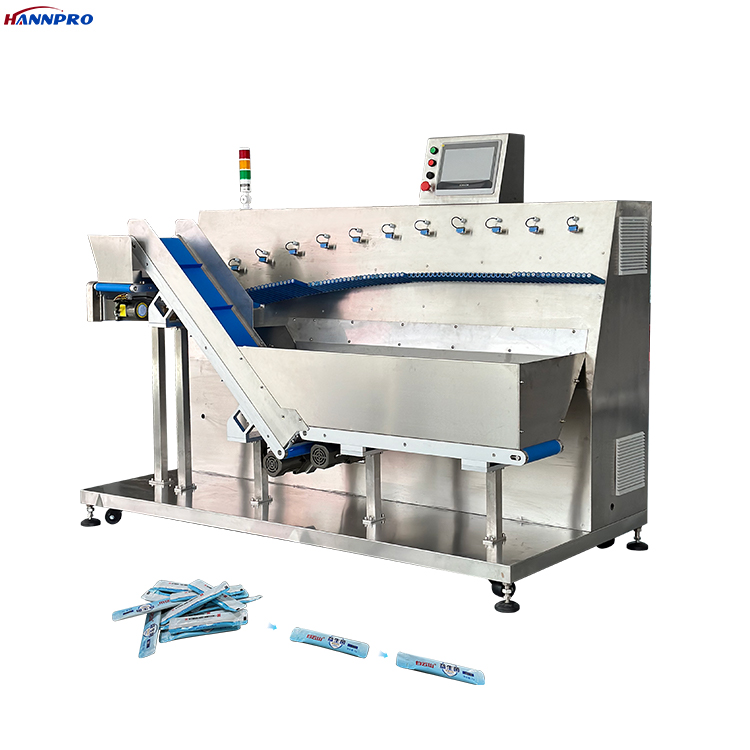
Loading/Sending: The materials to be packaged are sent to the working area of the machine through a hopper, conveyor belt, vibrating feeder, or mechanical arm, ensuring that the materials reach the packaging station at a stable speed and in the correct direction.
Supply and forming of packaging materials: The rolled packaging film is expanded by guide rollers and tensioning devices, and then rolled into a cylindrical shape (for vertical machines) or laid flat for conveying (for pillow-type machines), preparing for filling.
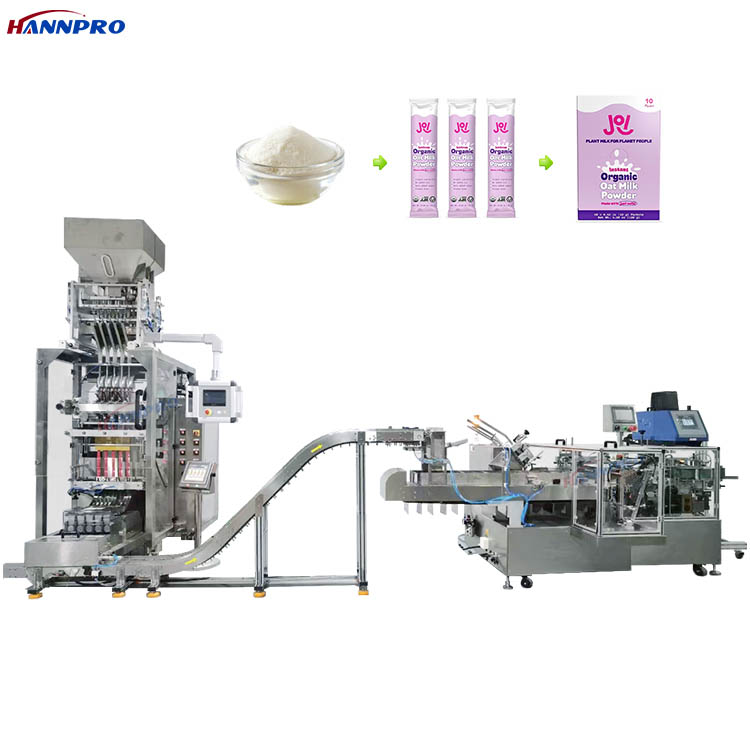
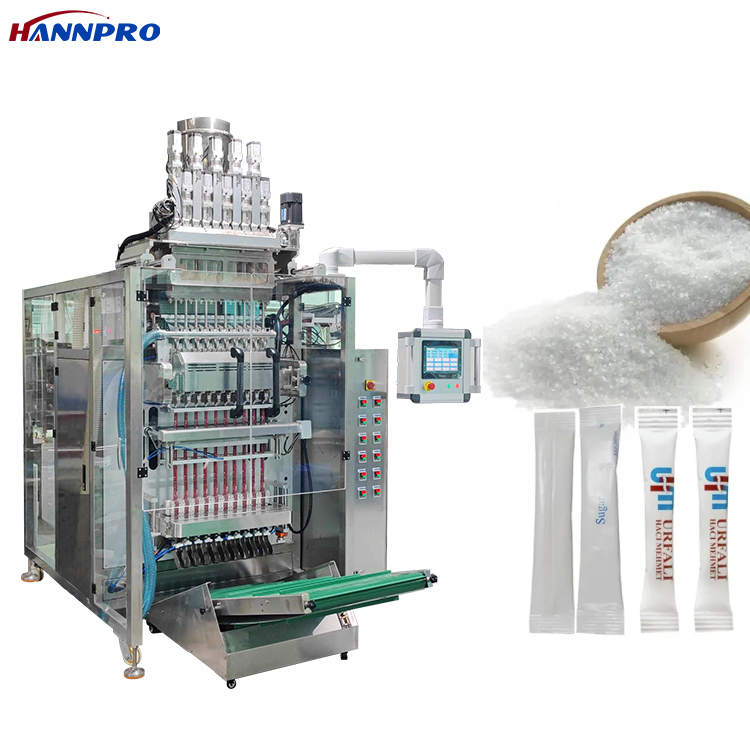
Measurement and filling: The materials are precisely weighed or quantified by the measurement system, and then filled into packaging bags or containers through gravity filling, vibration filling, screw filling, or plunger filling methods.
Sealing: After filling, the packaging bags are sealed by heat sealing, cold sealing, ultrasonic sealing, or pressure sealing methods to ensure the integrity and anti-contamination of the products.
Cutting/Separation: The continuous packaging bags sealed at the end are cut according to the set length to form independent finished products.
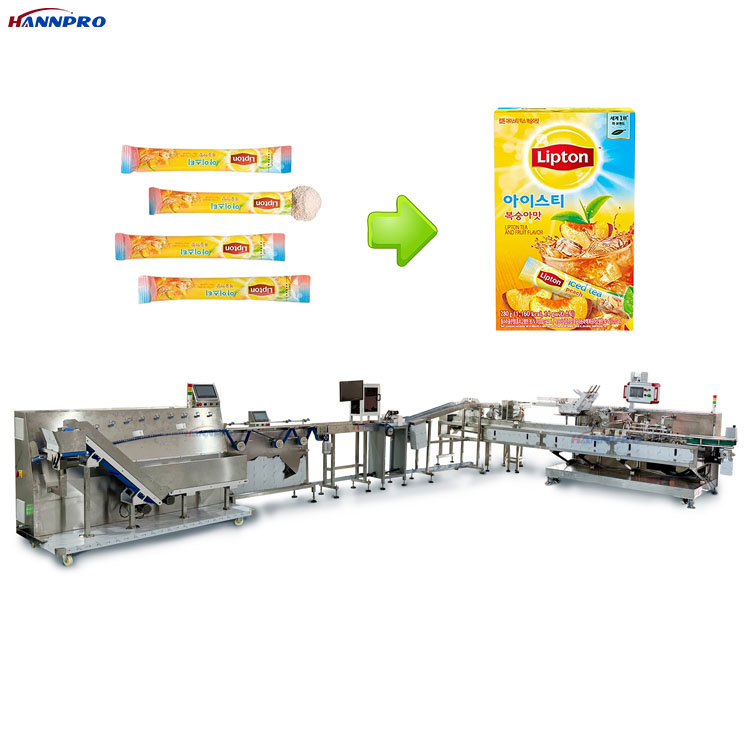
Inspection and output: The finished products undergo quality inspection (such as leak detection, material shortage detection, etc.), and the defective products are automatically removed, while the qualified products are output through the conveying device and enter the next process.
Main components
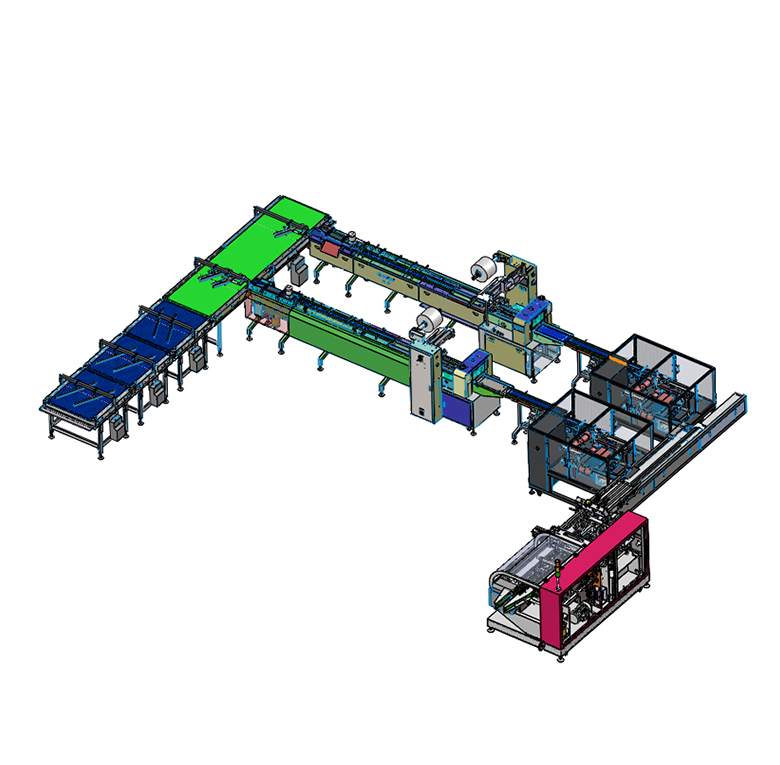
The automatic packaging machine is composed of multiple functional modules that work together:
Mechanical part: Includes the frame, conveyor belt, hopper, forming device, sealing device, cutting knife, etc., as the actuating mechanisms.
Electrical control system: With PLC (Programmable Logic Controller) as the core, combined with frequency converters, servo motors, etc., to achieve precise control and synchronous coordination of the entire machine's actions. The touch screen human-machine interface makes the operation intuitive and convenient.
Sensors and detection system: Photoelectric switches, proximity sensors, etc., monitor parameters such as material position, film color mark, and sealing temperature in real time to ensure packaging accuracy.
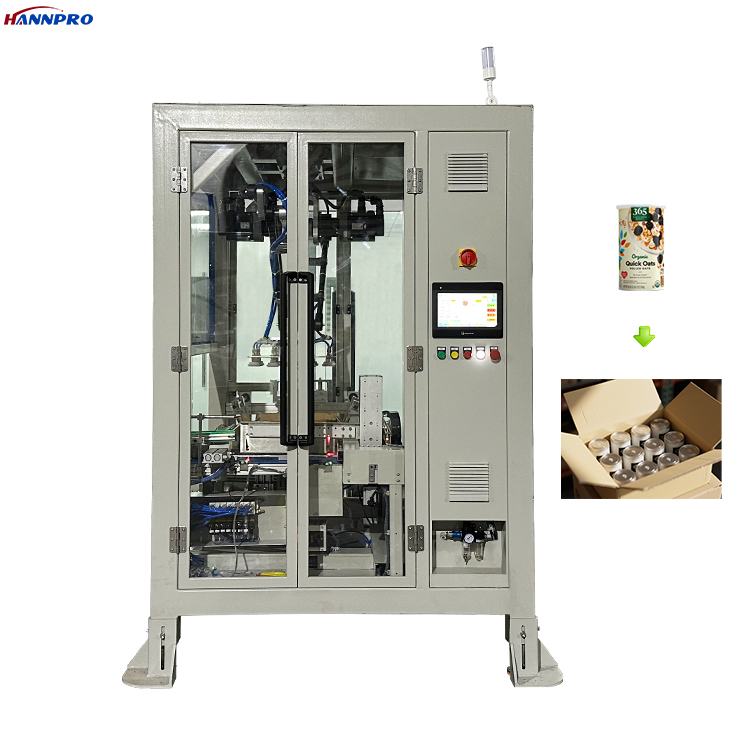
Pneumatic system: Cylinders, solenoid valves, vacuum suction cups, etc., are responsible for bag opening, material grasping, position adjustment, etc.
Temperature control system: Intelligent temperature control meters, solid-state relays, thermocouples, etc., form a closed-loop control system to ensure stable heat sealing quality.
Key technical features
Automatic deviation correction and tracking: The film marking sensor continuously detects the color mark on the packaging material, and combines mechanical position detection signals sent to the PLC, which is controlled by the PLC to perform forward and reverse compensation to promptly correct the position error of the packaging material and avoid material waste.
Modular design: Each functional module is independent yet collaborative, facilitating disassembly, cleaning, and maintenance, and also convenient for flexible configuration according to product requirements.
Intelligent detection and alarm: It has automatic protection functions such as no-material shutdown, leakage alarm, and temperature anomaly prompt, reducing waste production.
Application fields
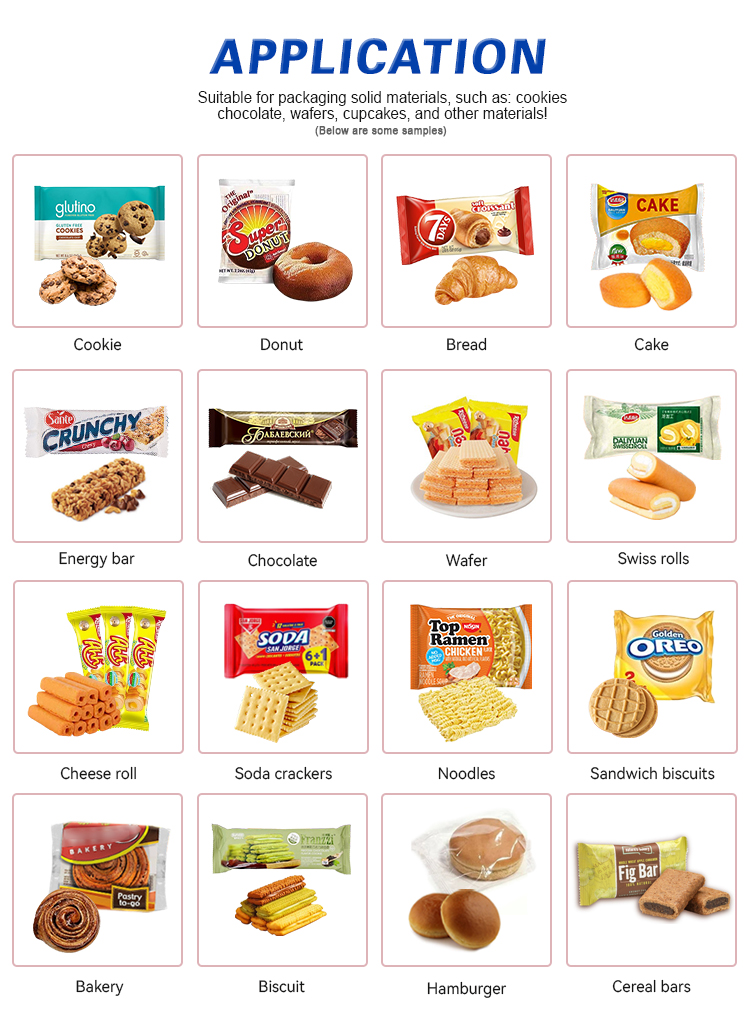
Automatic packaging machines are widely used in industries such as food (cookies, instant noodles, frozen food, etc.), medicine (medications, infusion bags, etc.), chemicals (detergents, fertilizers, etc.), cosmetics (soap, tissues, etc.), and hardware, electronics, etc., for handling various forms of materials such as particles, powders, liquids, pastes, tablets, etc.