

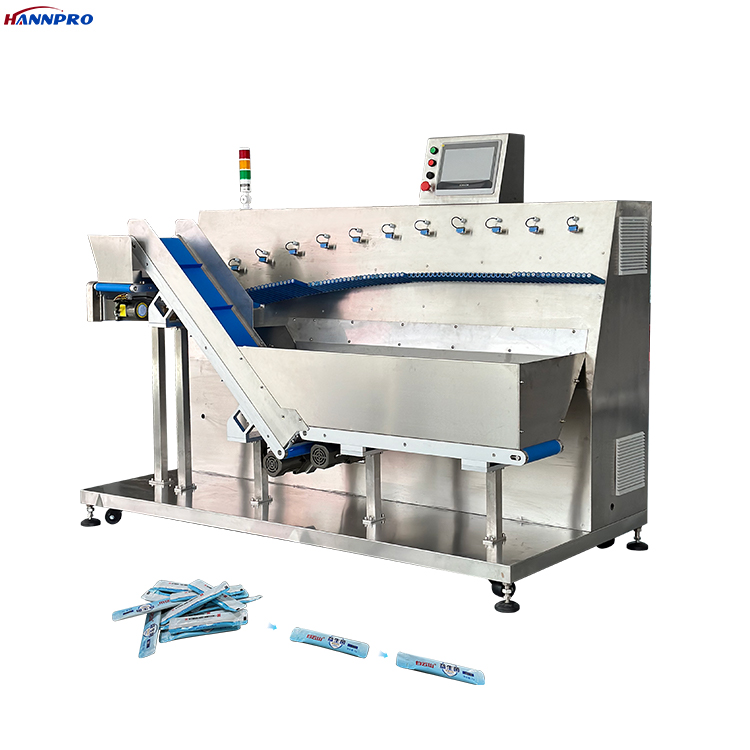
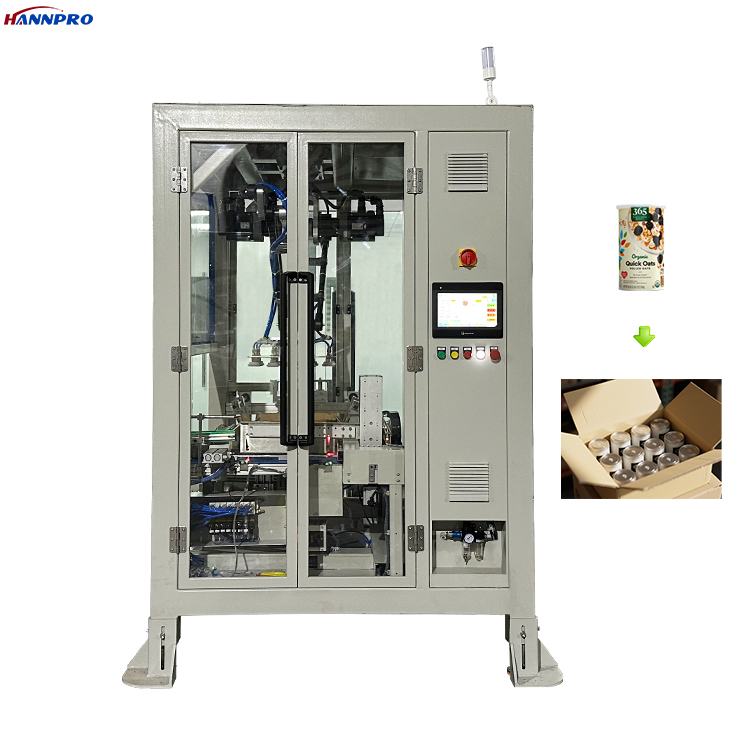
What are the differences between food packaging machines and industrial packaging machines?
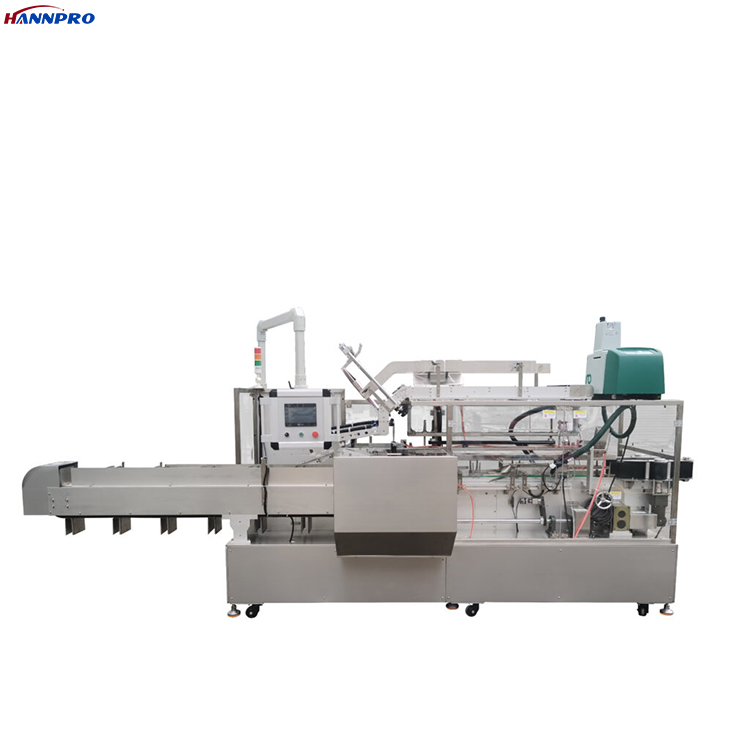
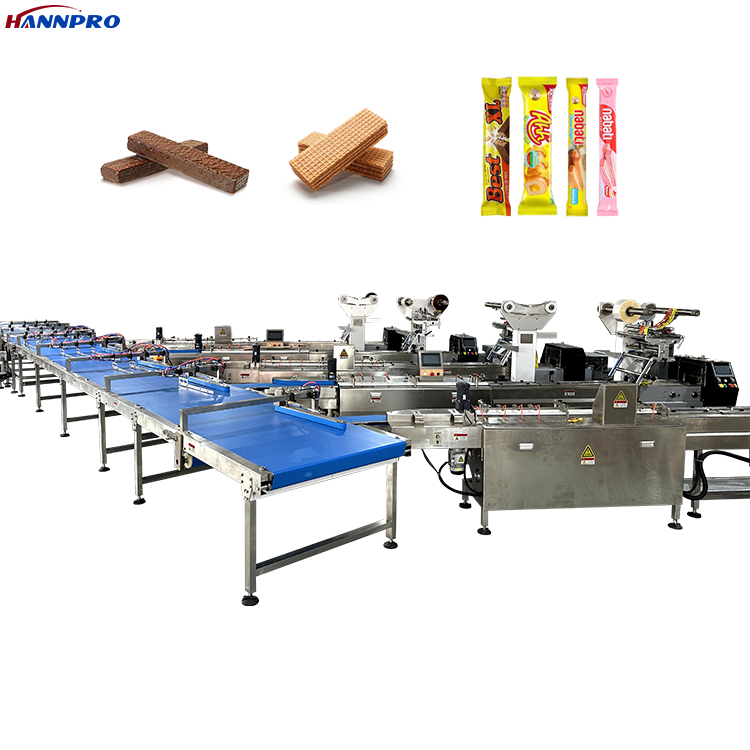
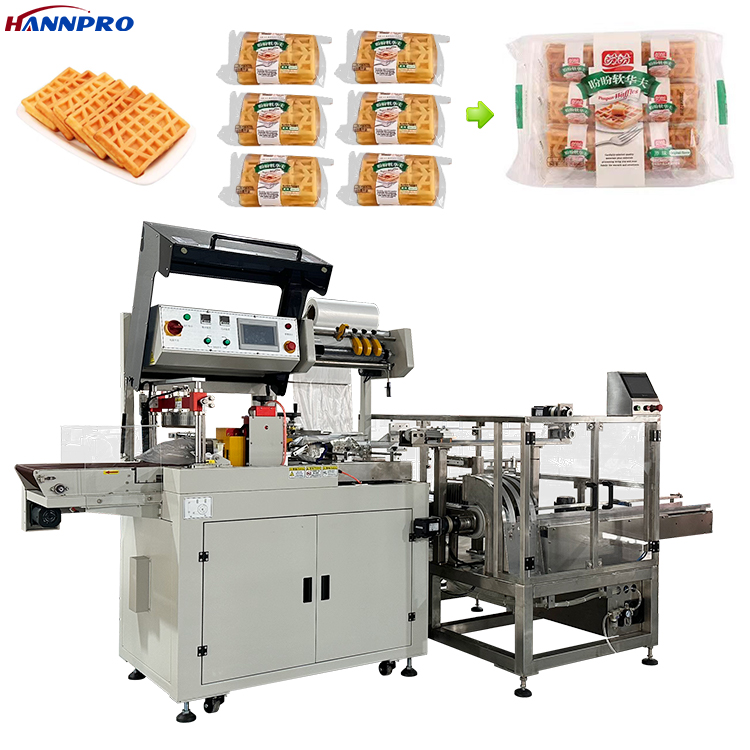
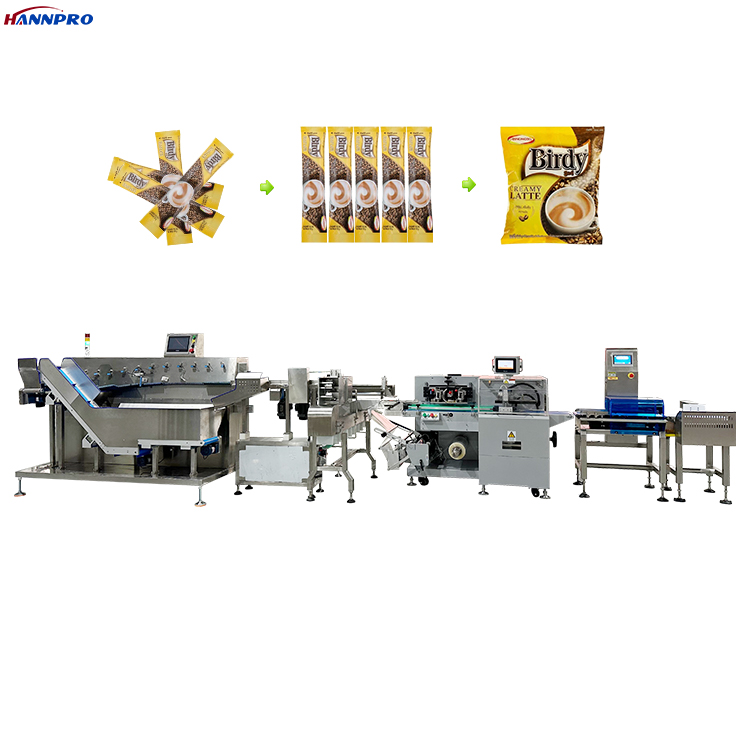
Food packaging machines essentially belong to a specialized branch of industrial packaging machines (or automatic packaging machinery). Although they share many commonalities in basic working principles (such as metering, filling, and sealing) and core structures, due to the different characteristics of the packaged objects, they have significant differences in hygiene standards, equipment materials, functional emphasis, and compliance requirements.
Here are the main differences:
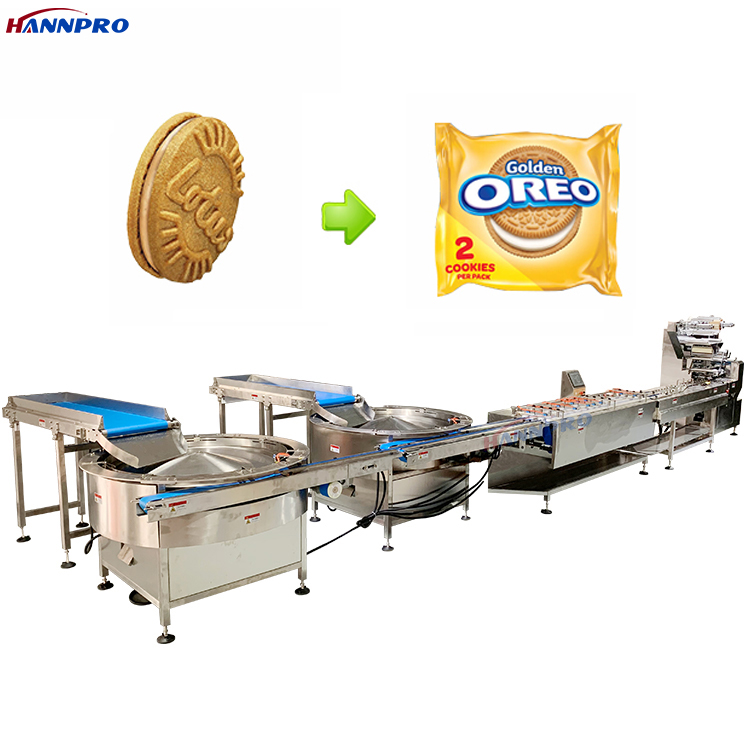
1. Hygiene standards and equipment material requirements are different
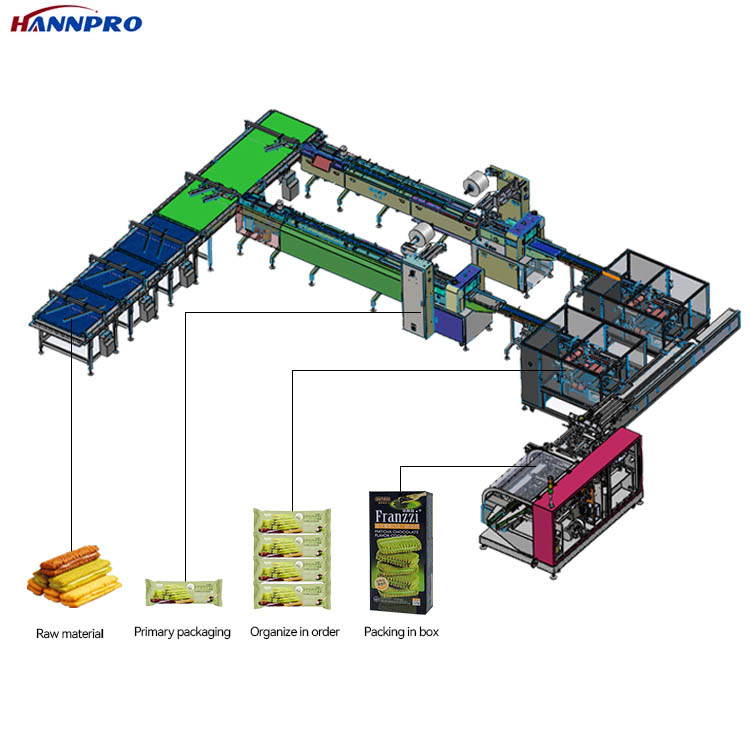
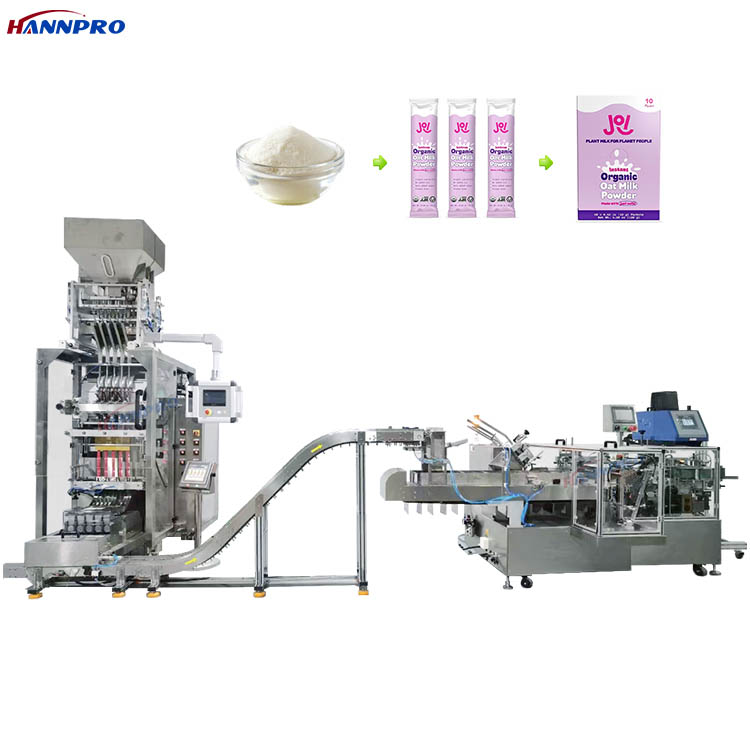
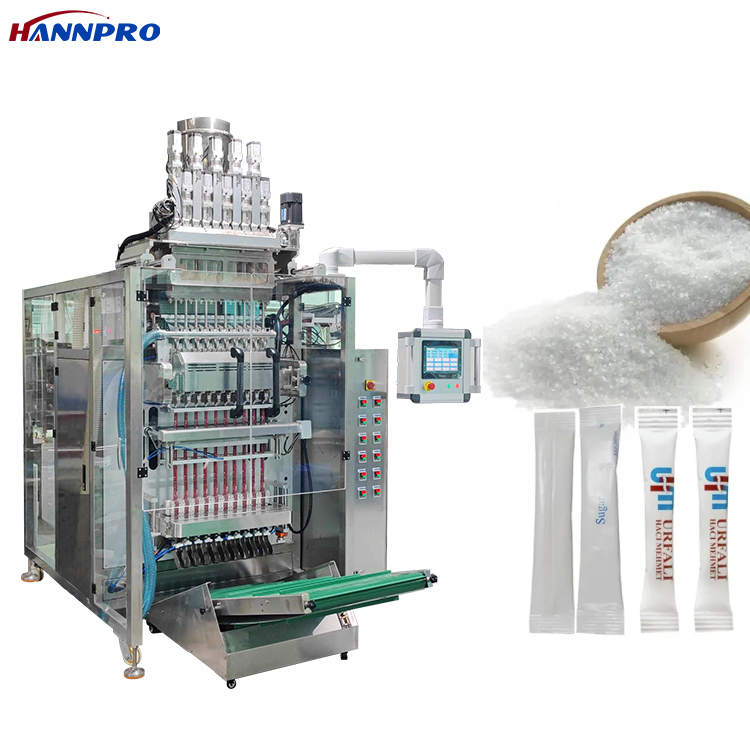
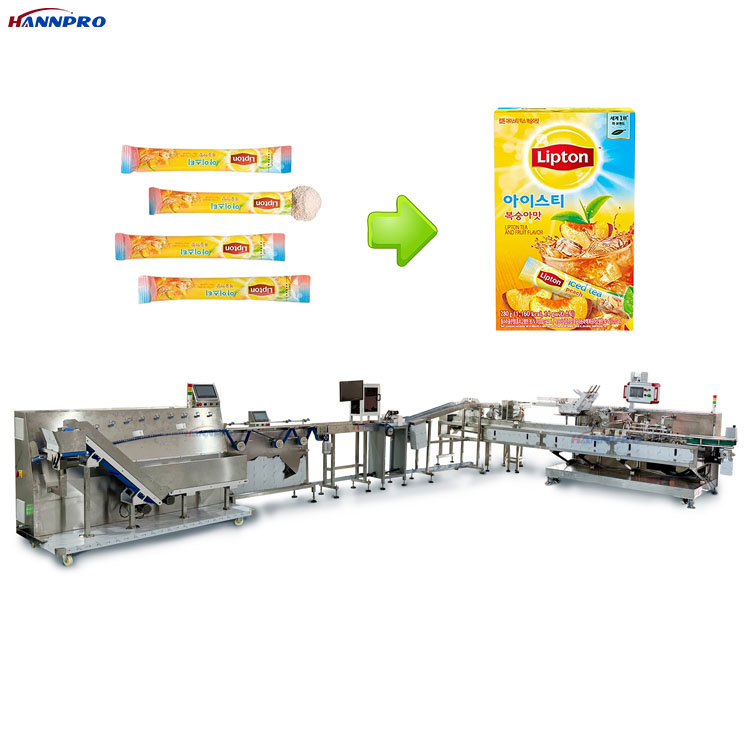
Food packaging machines: Have extremely high requirements for hygiene and food safety. Components in direct contact with food must be made of stainless steel (such as 304 stainless steel) or non-toxic materials that have been chemically treated, and the equipment must have designs that are easy to clean, waterproof to prevent cross-contamination, and comply with strict food safety and GMP standards.
Industrial packaging machines: Have a broader coverage (such as in the fields of hardware, chemicals, and building materials). Although there are also hygiene requirements, they are more focused on the strength, corrosion resistance, or explosion-proof and dust-proof design of the equipment to adapt to the characteristics of different industrial materials (such as preventing leakage of chemical powders, preventing wear of hardware parts).
2. Core functions and packaging emphasis are different
Food packaging machines: The core purpose is "preservation" and "protection". In addition to basic packaging, they usually integrate functions such as vacuuming, nitrogen filling, modified atmosphere packaging, or spraying alcohol to prevent food oxidation, spoilage, or microbial contamination, thereby extending the shelf life.
Industrial packaging machines: The core purpose is "protection", "quantification", and "logistics convenience". For example, the chemical industry focuses on precise measurement and dust control; the hardware or building materials industry focuses on rust prevention and impact resistance; at the end of the packaging line, industrial packaging machines emphasize processes such as carton packing, stacking, etc., which are convenient for storage and logistics transportation.
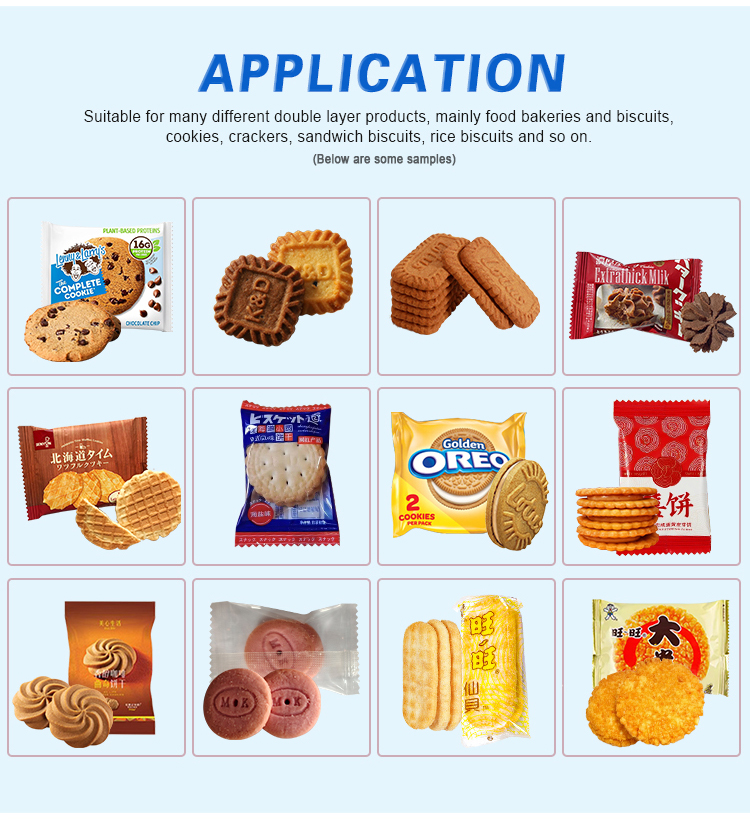
3. Compliance and traceability requirements are different
Food packaging machines: Must strictly comply with national laws and regulations regarding food packaging. The equipment usually needs to be equipped with high-precision coding, inkjet printing, or visual inspection systems to ensure the accurate printing of production dates, batch numbers, and barcodes, meeting the needs of food safety supervision and consumer traceability.
Industrial packaging machines: Compliance is more reflected in industrial safety, environmental protection (such as waste gas and waste treatment, energy conservation and consumption reduction), and sealed and tamper-proof standards for hazardous materials packaging.
4. Industry universality and specificity
Although there are these differences, the boundaries between the two are not absolute. Many industrial packaging machines (such as bagging packaging machines, vertical packaging machines) have a high degree of modularity and universality. As long as the corresponding metering devices are replaced or parameters are adjusted, they can be used across multiple industries such as food, cosmetics, medicine, and chemicals.
In summary, food packaging machines are the "specialized version" of industrial packaging machines in the field of food. They place hygiene safety, preservation technology, and compliance traceability at the forefront of the general packaging machinery.
What specific materials do you want to package? I can recommend suitable models and budget ranges for you.