

How to enhance the production efficiency of the packaging line?
Improving the production efficiency of the packaging line is a systematic project that involves the coordinated optimization of multiple dimensions such as equipment, processes, personnel, and management. Based on industry practice, you can start with the following core strategies:
1. Assess the current situation and precisely identify the bottlenecks
The first step to enhance efficiency is to comprehensively understand the current operation status of the production line.
Collect key data: Through sensors or monitoring systems packaging line, collect hard data such as production speed, scrap rate, downtime, and overall equipment efficiency (OEE), eliminating subjective judgments.
Identify bottleneck processes: Analyze the entire production line to identify the slowest process or equipment (such as a malfunctioning sealing machine, uneven conveyor belt speed, etc.). Since the bottleneck will limit the speed of the entire line, solving it can quickly increase the overall production capacity.
On-site observation and feedback: Track the flow of products between each workstation packaging line, record operation times, and value the feedback from front-line operators, who often can identify problems that are not reflected in the data.
2. Optimize process design and physical layout
Scientific and reasonable layout and process reengineering can significantly reduce unnecessary actions and time waste.
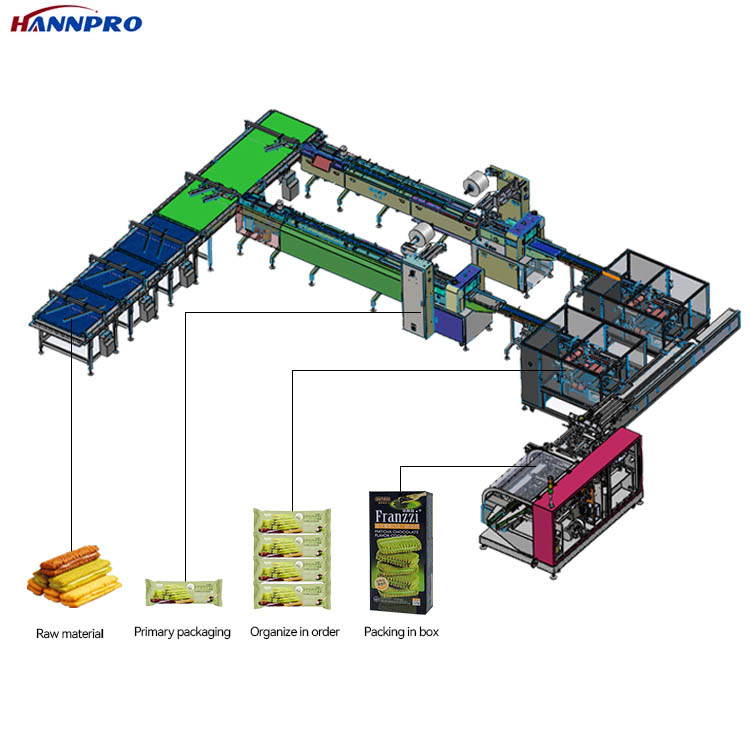
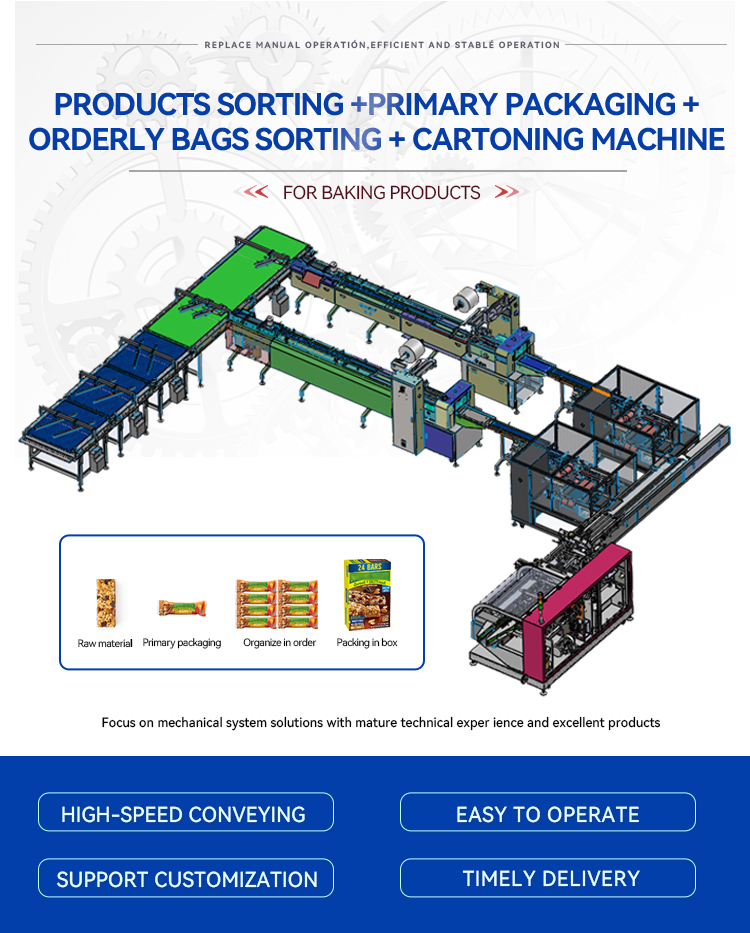
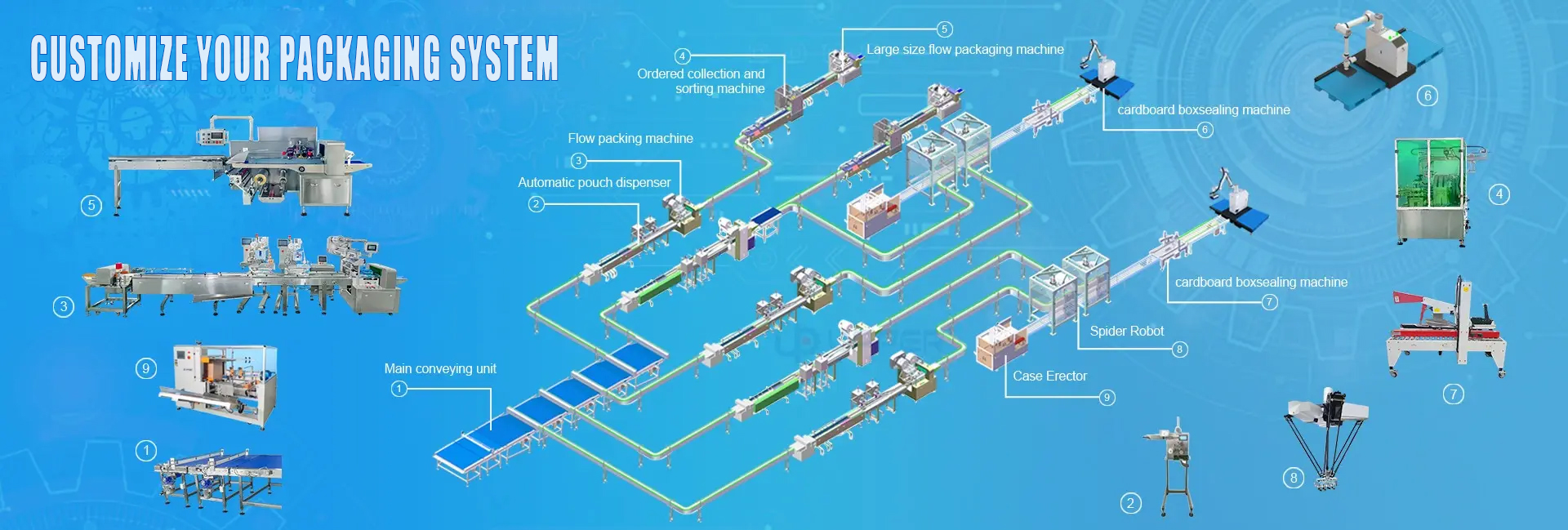
Optimize the line layout: Re-design the factory layout to create a "linear process" or U-shaped line layout, shorten the distance between equipment and the movement distance of personnel, and maximize the reduction of product handling and unnecessary movement.
Eliminate non-value-added operations: Through value stream mapping packaging line, identify and eliminate repetitive scanning, material waiting, manual handling and conversion, etc. For example, replace repetitive scanning with single-time RFID recognition technology.
Synchronize and balance equipment: Ensure that each equipment operates at a matching speed packaging line, avoiding overloading due to too fast a speed or idle due to too slow a speed. Maintain stable material supply to prevent the entire line from stopping due to material shortages.
3. Promote automation and intelligent upgrades
Introducing modern technologies is the key driver for improving speed, accuracy, and stability.
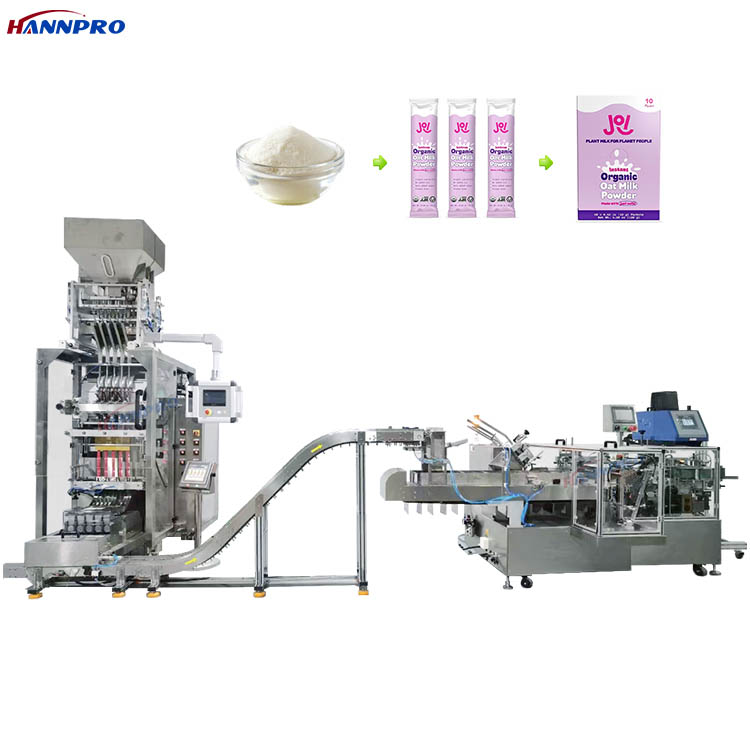
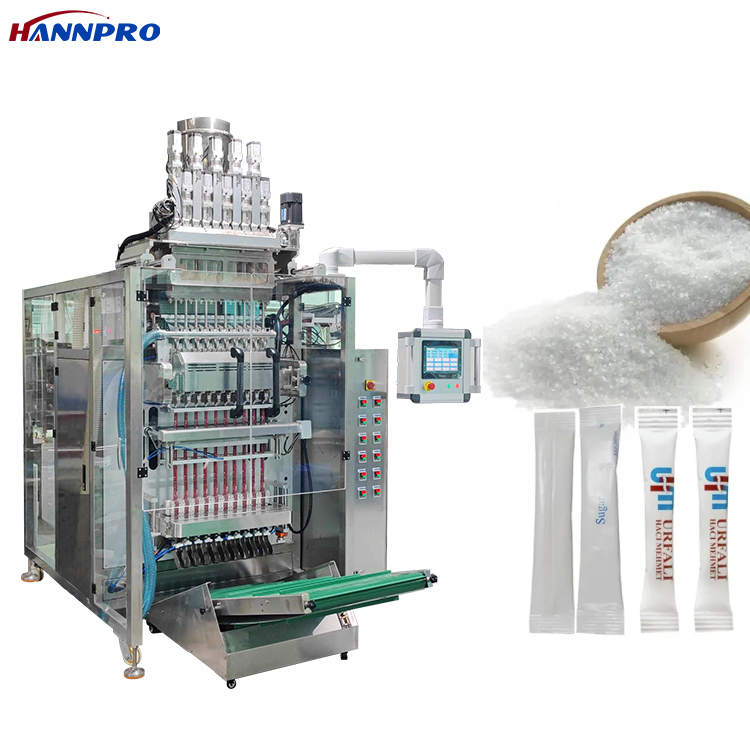
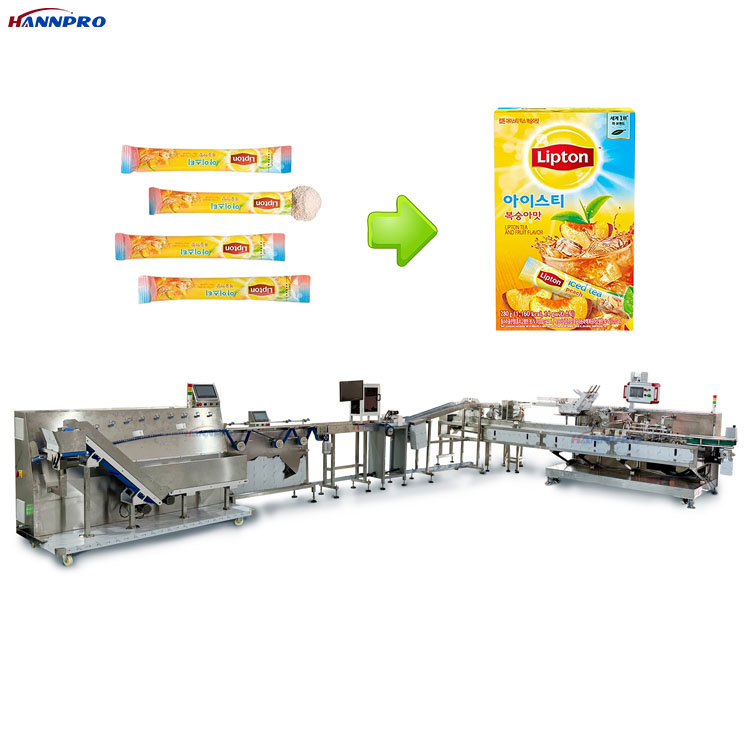
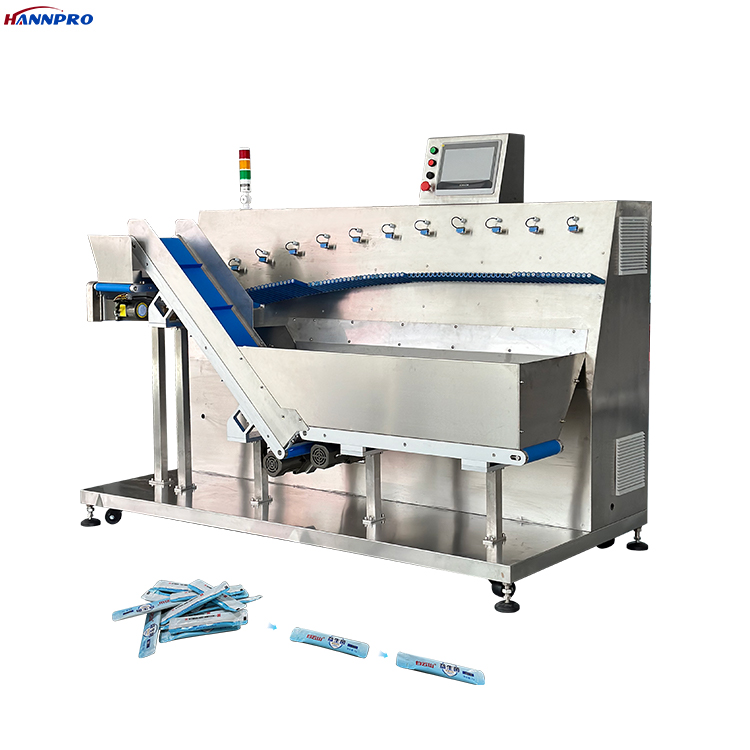
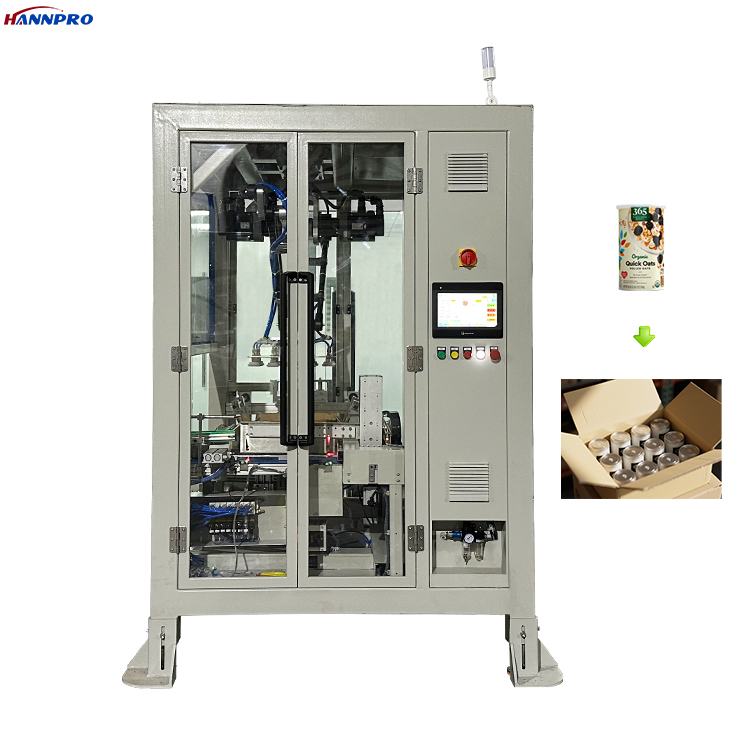
Gradually implement automation: If the overall renovation budget is too high packaging line, modular and budget-friendly upgrade methods can be adopted. For example, add automatic opening machines, picking and placing machines, or upgrade label equipment to replace manual filling and labeling, reducing human errors and fatigue.
Introduce intelligent monitoring and inspection: Integrate Internet of Things (IoT) and electronic display systems to achieve visualized production progress and real-time feedback. Set up automatic inspection systems to detect defects early and reduce scrap rates and rework.
4. Strengthen equipment maintenance and material management
The stability of equipment and the compatibility of materials are the basis for ensuring continuous production.
Implement preventive maintenance: Develop and strictly follow proactive maintenance plans to solve small problems before they escalate into major failures. Use monitoring of equipment wear patterns for predictive maintenance to reduce unexpected downtime.
Ensure material compatibility: Use high-quality and compatible packaging materials packaging line. Poor or damaged materials (such as deformed cartons) are prone to causing jams, sealing failures, and waste.
5. Standardize processes and personnel training
Even the most advanced equipment requires professional operators and maintenance personnel packaging line.
Develop standardized operation instructions (SOPs): Create detailed standardized processes for equipment debugging, operation, and troubleshooting to ensure that each team member follows the same standards, reducing human differences and errors.
Comprehensive and continuous training: Provide standardized training to employees packaging line, not only teaching basic operations but also covering basic equipment maintenance and safety guidelines. Conduct retraining promptly when introducing new technologies or equipment.
6. Introduce lean management and continuous improvement
View optimization as a long-term, iterative process packaging line.
Implement 5S and lean practices: Adopt the 5S management method (sorting, organizing, cleaning, standardization, and discipline) to maintain a clean and efficient site. Conduct root cause analysis for recurring problems. Establish a KPI assessment and feedback cycle: Establish a quantitative assessment system that includes indicators such as the rate of cycle time reduction, the rate of improvement in equipment overall efficiency (OEE), and the rate of decline in defective product rates. Regularly evaluate the effectiveness and encourage an open communication culture.