

When choosing a liquid packaging machine (or filling machine), one should not blindly follow the manufacturer's advertisements liquid packaging machine. Instead, it is necessary to combine one's actual production needs and conduct a comprehensive assessment and selection from the following core dimensions:
1. Clearly define the material characteristics (what to fill?):
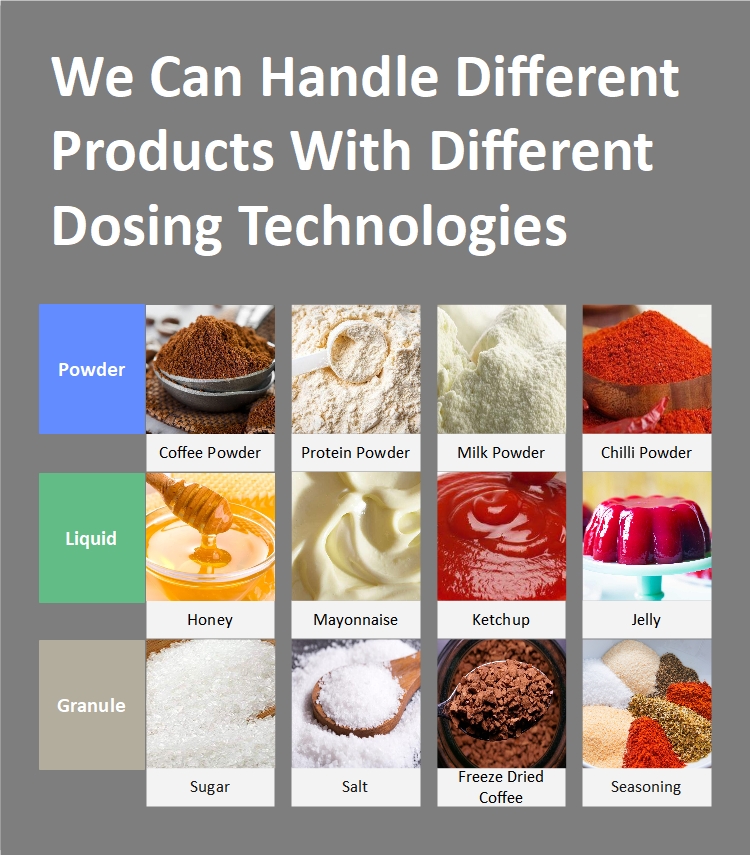
The nature of the liquid directly determines the filling method and structural design of the filling machine:
Viscosity and fluidity: Liquids with low viscosity and good fluidity (such as water, beverages, soy sauce) are suitable for self-flowing or negative pressure filling machines; liquids with high viscosity (such as oils, syrups, shampoos) require piston-type or metering pump-type filling machines to ensure accurate measurement and smooth filling liquid packaging machine.
Special components: If the liquid contains solid particles (if they are granules, Chinese medicine granules), a non-blockage filling head or peristaltic pump-type filling machine needs to be selected liquid packaging machine.
Chemical properties: Liquids with corrosive, flammable, or foaming properties require machine contact components to be made of corrosion-resistant materials (such as 316L stainless steel), and may require vacuum suction and other anti-dripping and anti-foaming functions liquid packaging machine.
2. Determine the packaging form and containers (where to fill?):
Different packaging containers require matching machine configurations:
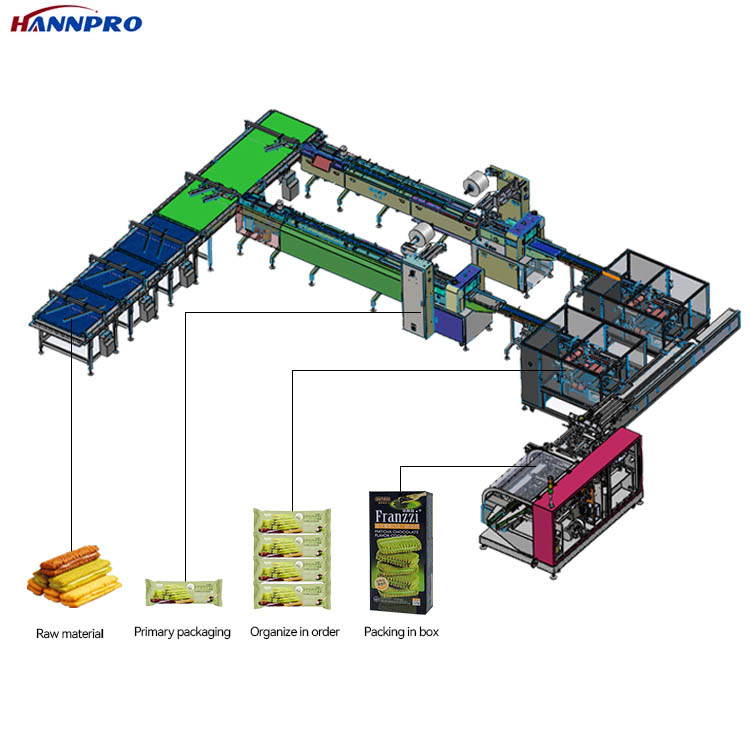
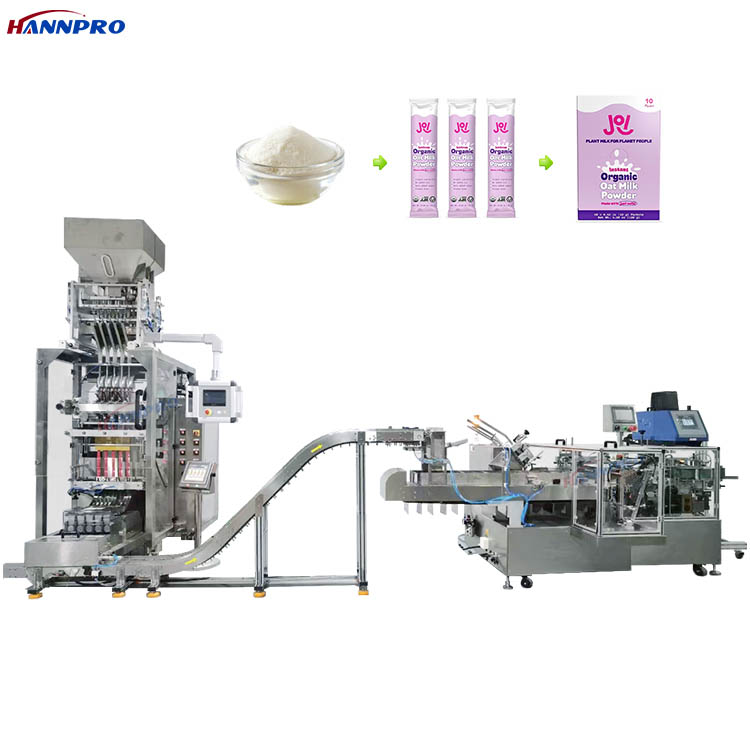
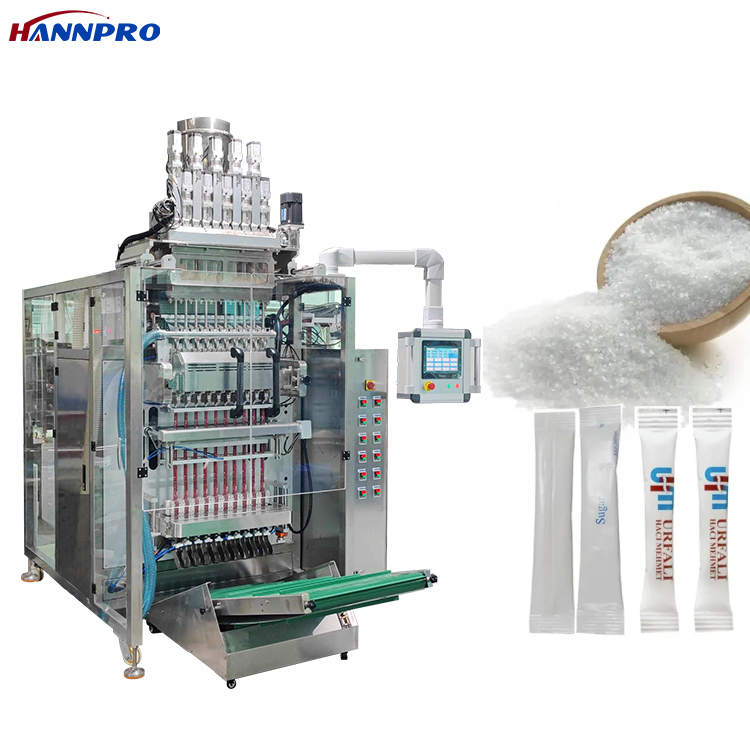
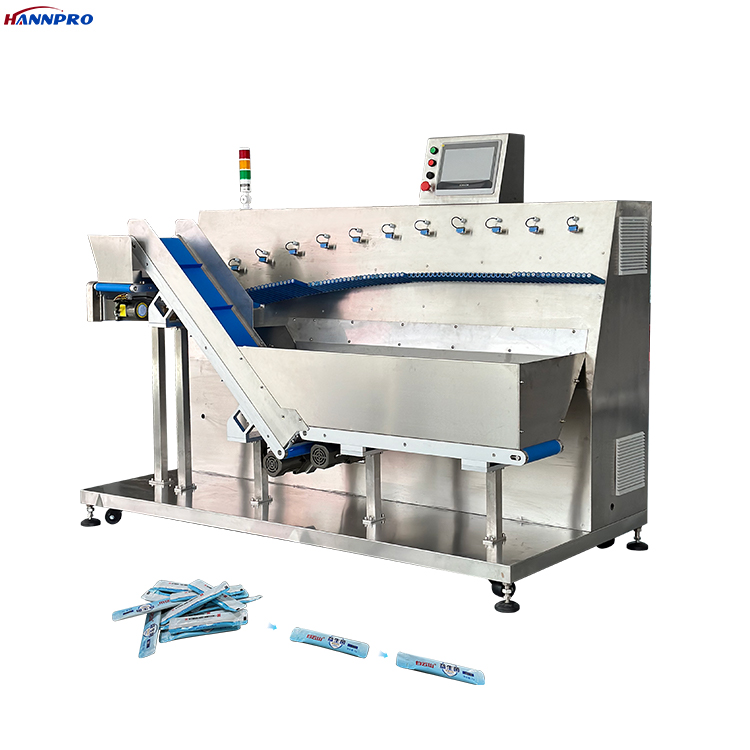
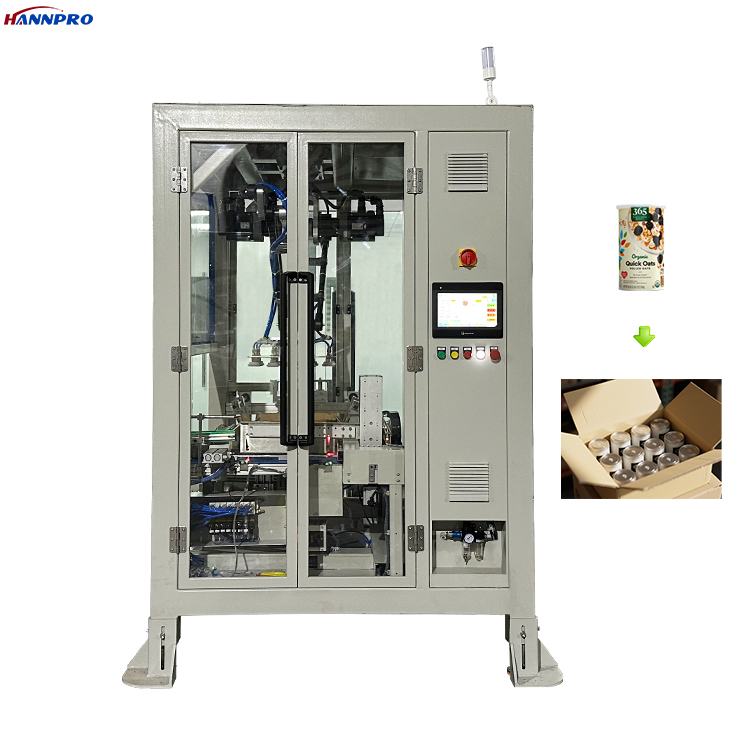
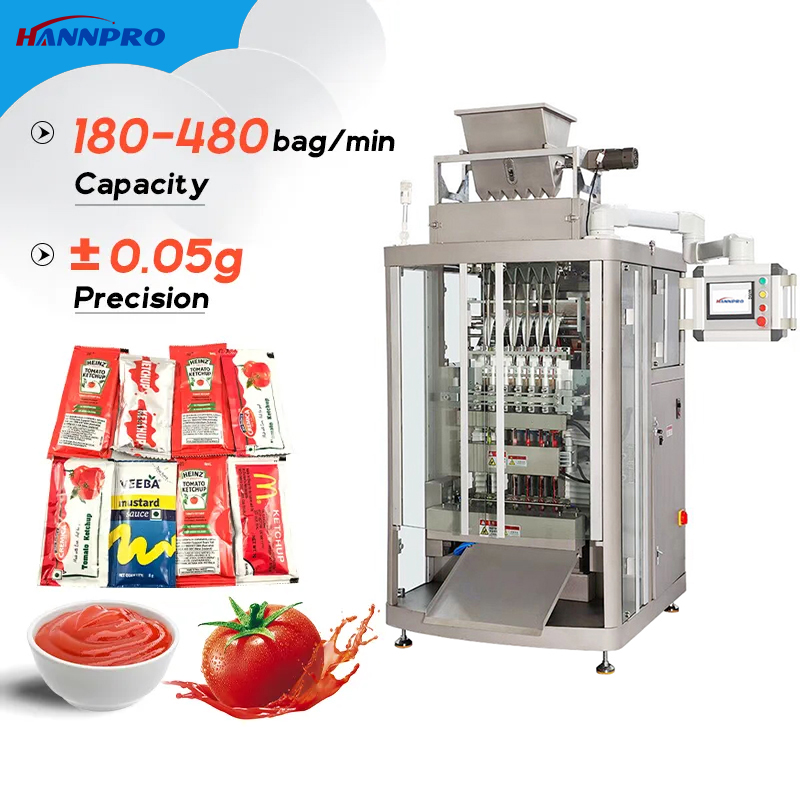
Packaging form: Clearly determine whether it is bottle, bag, barrel, or box. For example, liquid in bags usually requires vertical or horizontal forming-filling-sealing machines (VFFS); bottle-based liquid requires matching bottle washing, filling, cap screwing, labeling, etc. equipment.
Container specifications: The height of the filling head liquid packaging machine, the width of the conveyor belt, etc. of the machine must be able to perfectly fit the size, shape, and material of your bottles or bags (such as thin-walled plastic bottles require gentle grasping and filling methods to avoid deformation).
3. Evaluate production capacity and automation level (how fast to fill?):
Based on your production scale, choose the appropriate model:
Small scale/initial stage: You can choose semi-automatic or small tabletop filling machines, which have low cost, simple operation, and small floor space liquid packaging machine.
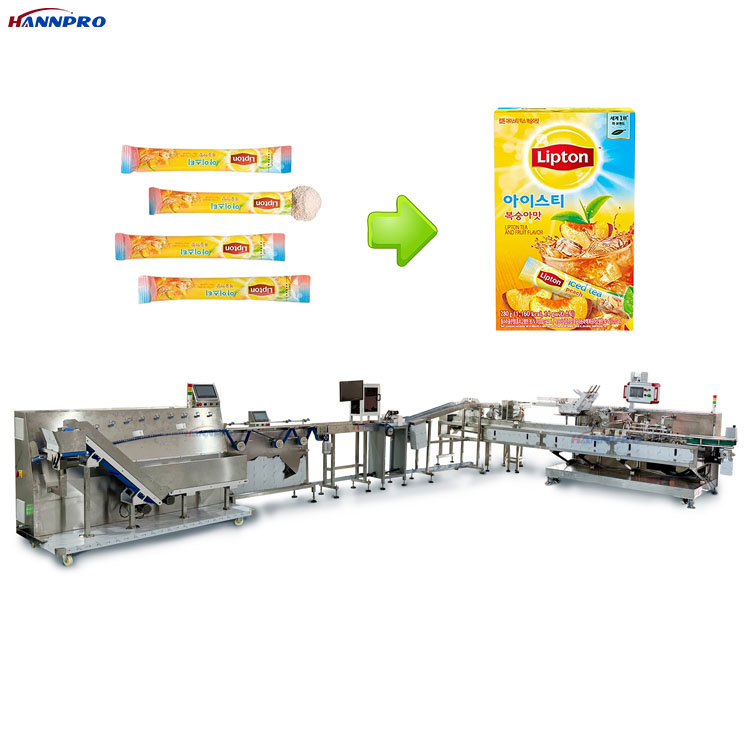
Large scale/assembly line: You must choose high-speed fully automatic filling machines that support multi-head filling and can be seamlessly linked with the front and rear end sealing, labeling, and boxing equipment to meet the needs of large-scale continuous production.
4. Pay attention to accuracy and industry standards (how accurate to fill?):
Filling accuracy: For pharmaceuticals, high-end cosmetics, or products sold by volume, filling accuracy is crucial. Prioritize choosing equipment with servo motors, high-precision flow meters liquid packaging machine, or weighing-based metering to ensure the error is within the allowable range (such as ±0.5% or ±1%).
Industry compliance: The food and pharmaceutical industries have extremely high hygiene requirements. You must choose machines with contact material parts made of 304 or 316L food-grade stainless steel, without any hygiene dead corners, and even with online cleaning (CIP) and online sterilization (SIP) functions liquid packaging machine.
5. Examine stability and after-sales service (is it durable?):
Field verification: Do not just look at the parameters. Try to bring the materials to the manufacturer for testing, or visit the existing customer sites for inspection liquid packaging machine. Randomly check the filling weight at the highest speed to test its stability and accuracy.
Detail workmanship: Observe the assembly process of the machine, the brand of electrical components, and the stability of the overall structure.
After-sales guarantee: Understand the manufacturer's response speed to after-sales service, spare parts supply situation, and warranty period liquid packaging machine. Choose models with easy replacement of wear parts (such as sealing rings, cutting knives) and convenient daily cleaning and maintenance.
6. Comprehensive budget and cost performance
In addition to the purchase cost of the equipment itself, you should also consider the subsequent energy consumption, maintenance costs, and labor costs. In cases of limited budget liquid packaging machine, prioritize choosing equipment with high cost performance, meeting current core needs, and having some upgrade space.