

How does an automatic packaging line achieve unmanned production?
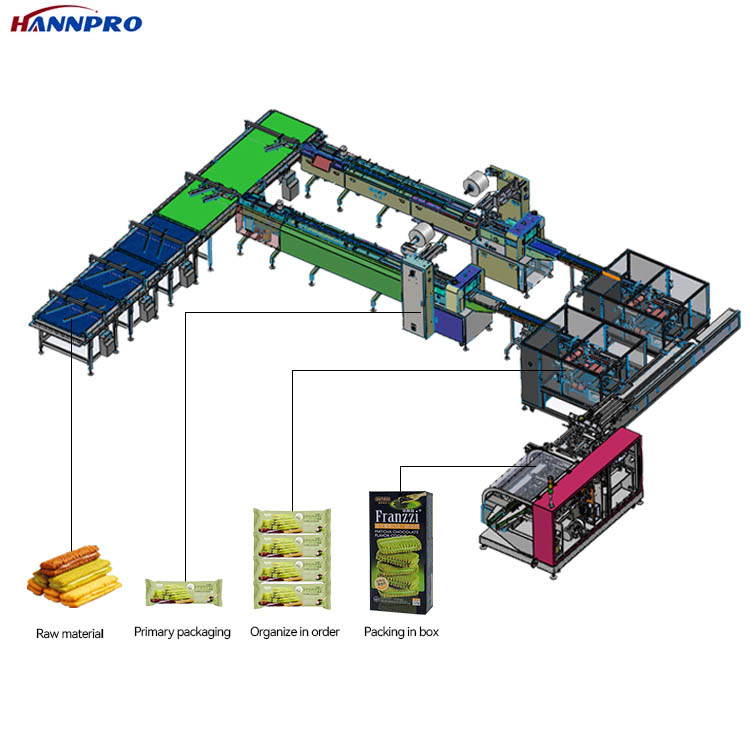
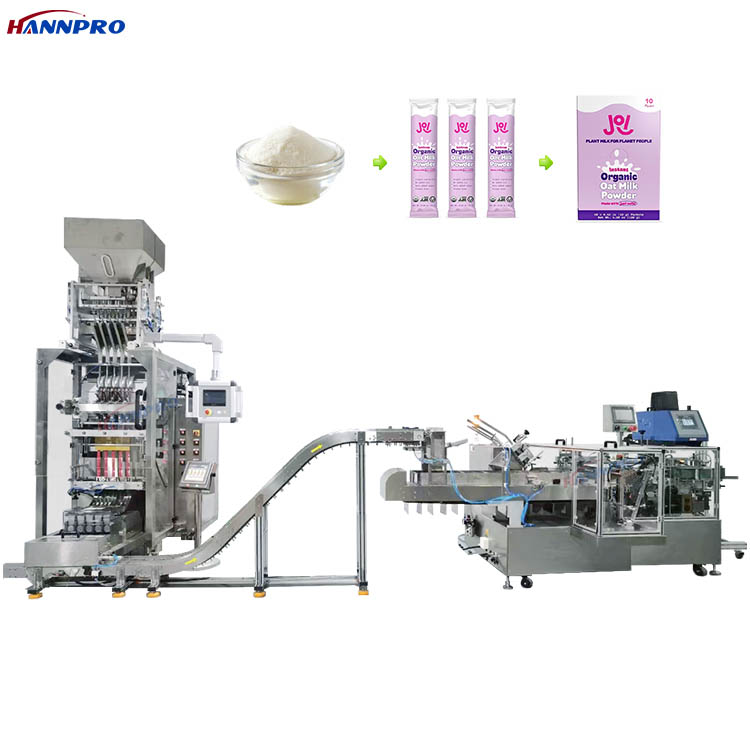
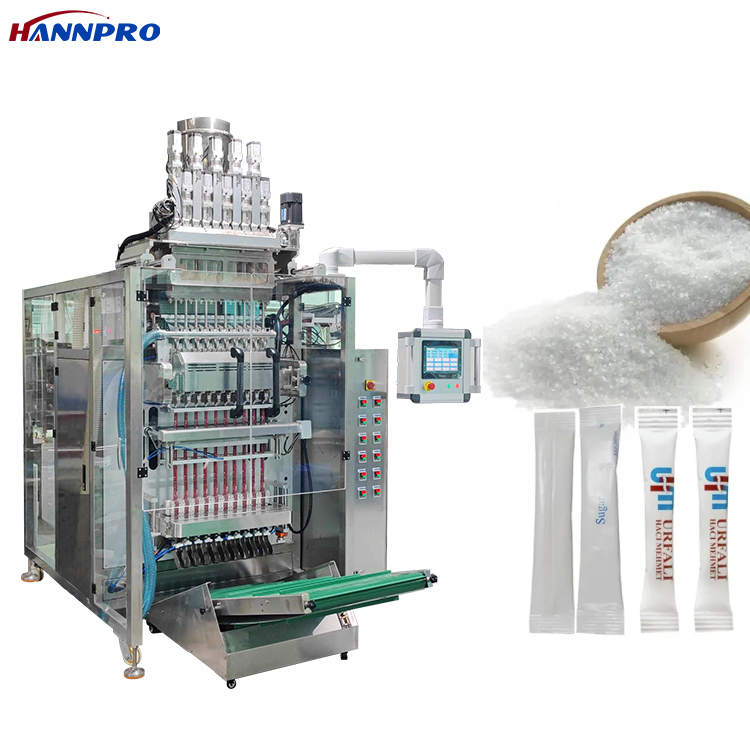
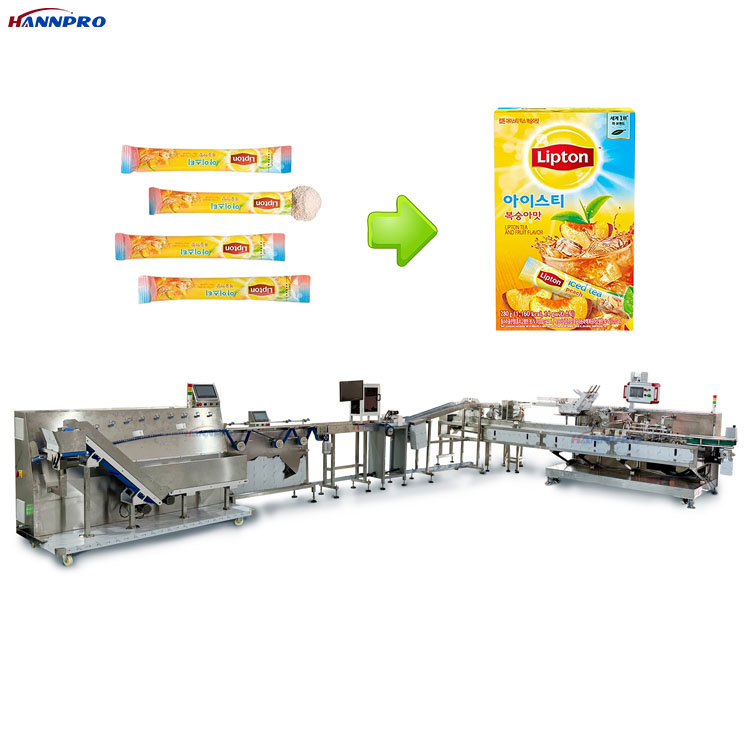
The realization of unmanned production in an automatic packaging line essentially involves the deep integration of multiple advanced technologies automatic packaging line, replacing the traditional manual packaging process with an intelligent system that is autonomously executed by machines and data-driven. Here, a detailed analysis is provided from the core technology perspective:
Core logic: Machine replacement + Data-driven
The automatic packaging line integrates technologies such as industrial robots, sensors, visual recognition automatic packaging line, Internet of Things (IoT), and artificial intelligence to achieve fully unmanned operation throughout the process from material transportation, sorting, box filling, sealing to palletizing.
Key technical components
Intelligent conveying and sorting system
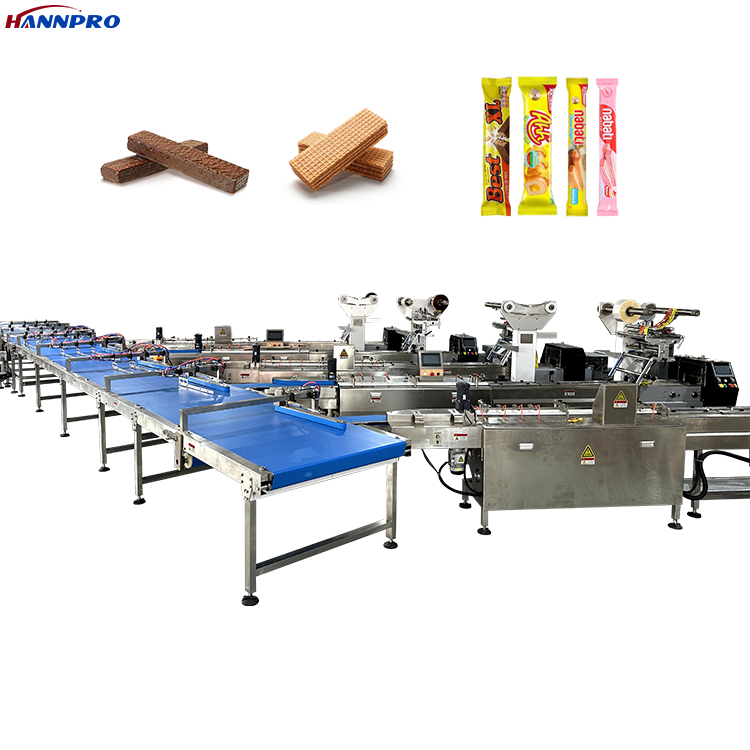
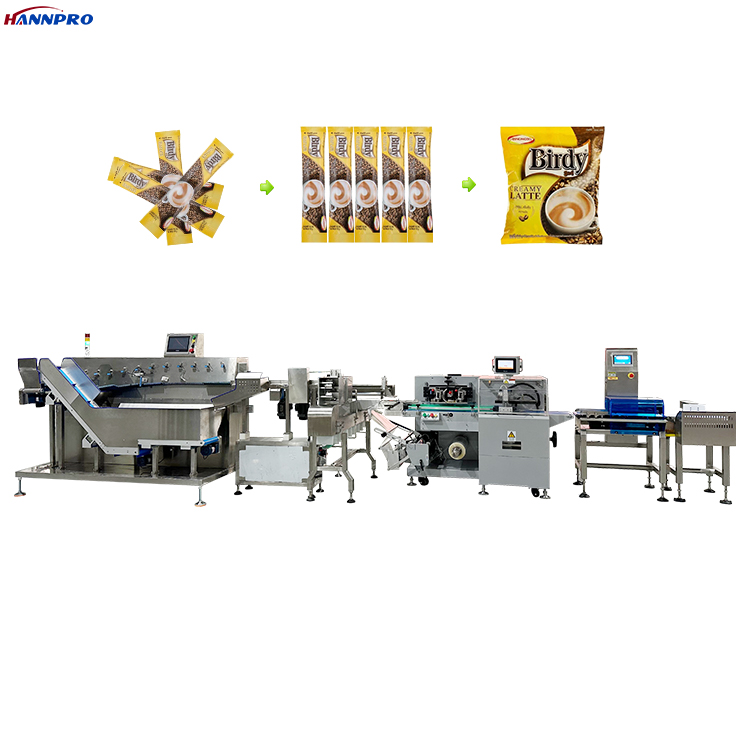
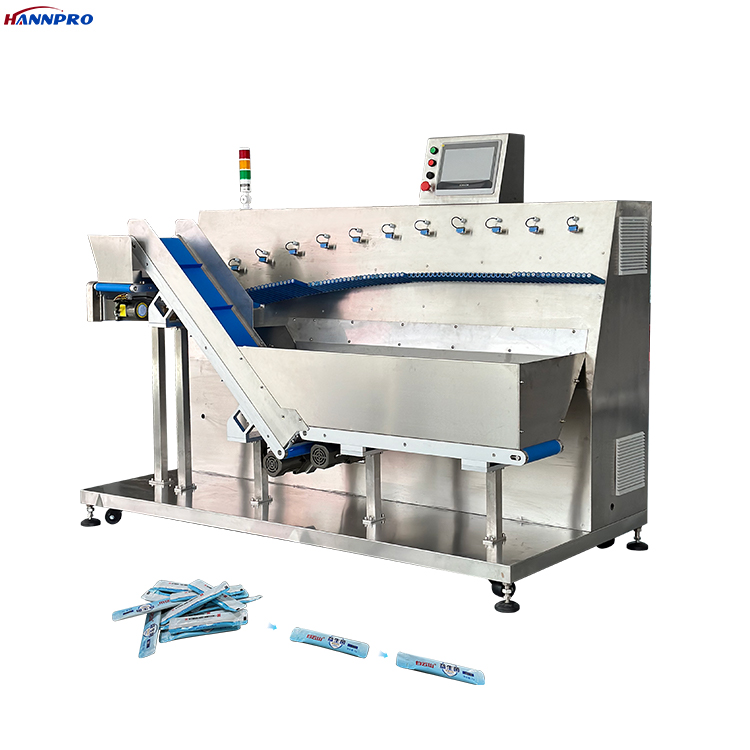
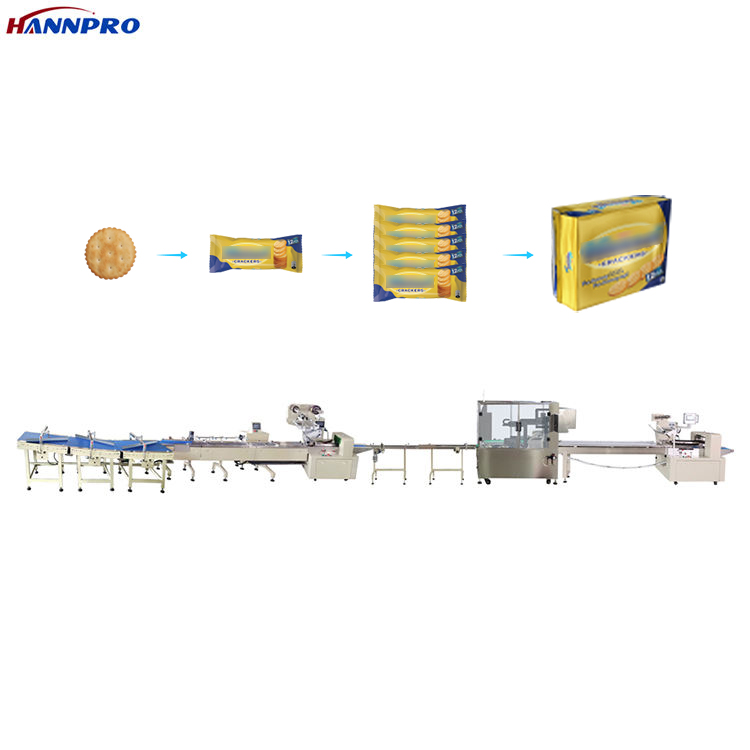
The conveying system serves as the "framework" of the entire production line, using belt, roller, or pneumatic technology to ensure the smooth and continuous flow of products between each process automatic packaging line, eliminating production bottlenecks. The sorting system utilizes sensors, machine vision, etc., to automatically classify products based on preset standards such as size, shape, and weight, guiding them to the correct packaging stations.
Industrial robots - Core execution units
The robots are the "hands" of the unmanned packaging line. Common types include:
Joint-type robots (six-axis mechanical arms): Multi-degree-of-freedom design automatic packaging line, capable of simulating human arm movements, suitable for grasping and transporting complex-shaped products, such as heavy components like automotive parts. - Delta parallel robots: Known for high speed and high precision, suitable for sorting and arranging small items in the food and pharmaceutical industries. These robots not only can operate precisely according to preset programs, but also possess the ability of autonomous learning and adaptation through machine learning algorithms. They can automatically adjust parameters such as grasping force and movement speed when switching product types, without the need for manual reprogramming.
Machine Vision and AI Quality Inspection
Visual recognition technology runs through the entire packaging process:
Intelligent Sorting: High-speed cameras combined with AI algorithms can identify product shapes and color differences within 0.1 seconds automatic packaging line, and automatically remove defective products.
Quality Inspection: Industrial cameras scan the surface of products at a micrometer resolution, detecting defects such as label adhesion positions automatic packaging line, sealing quality, scratches, and stains, with an error rate of less than 0.01%.
Real-time Feedback: When an product is detected, the system automatically triggers the removal device and records the type of defect, forming a quality improvement loop.
Internet of Things and Big Data Intelligent Management
Under the Internet of Things framework, sensors, actuators, robots, etc. on the production line are all connected, achieving data sharing and collaborative work:
Real-time Monitoring: Sensors collect data such as temperature, pressure, vibration automatic packaging line, and current from equipment operation and transmit it to the central control system.
Fault Prediction: Through big data analysis, potential equipment faults are detected in advance, and preventive maintenance is arranged to avoid sudden shutdowns.
Process Optimization: According to different product requirements automatic packaging line, equipment parameters, production cycle, and material distribution plans are dynamically adjusted to achieve maximum efficiency.
Remote Management: Managers can view the operation status of the production line through mobile phones, computers, etc. at any time.
Central Control System (PLC + MES)
The central control system is the "brain" of the entire line, usually consisting of a programmable logic controller (PLC) and an industrial PC:
PLC is responsible for precisely controlling the timing sequence of each device to ensure coordinated operation automatic packaging line.
MES (Manufacturing Execution System) enables full-process data traceability, each product is assigned a unique QR code or RFID tag, and information such as raw material batches, packaging time, operating equipment, and quality inspection records can be traced.
Using model predictive control strategies, based on mathematical models automatic packaging line, the future state of the production line is predicted dynamically, and operation parameters are optimized.
Flexible Packaging and Rapid Mold Change
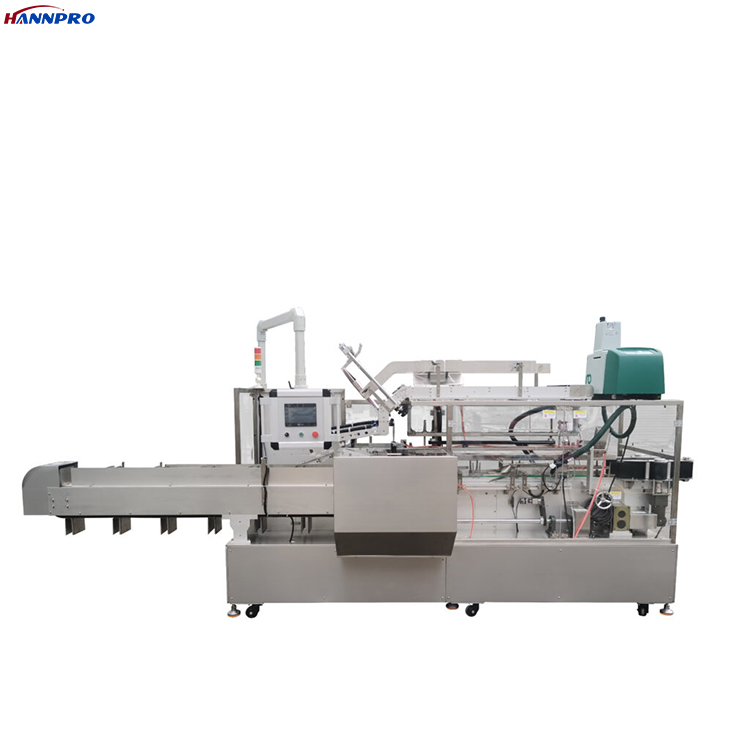
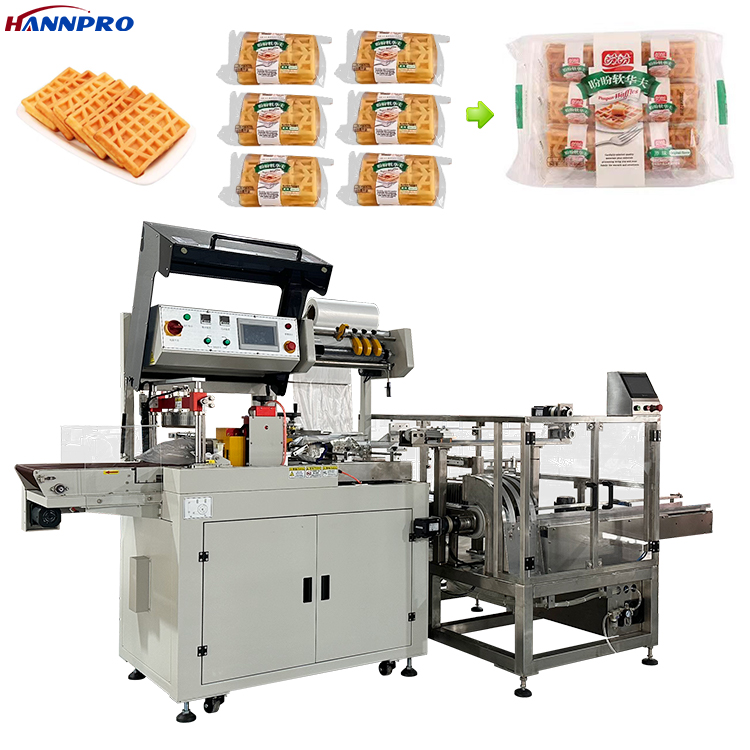
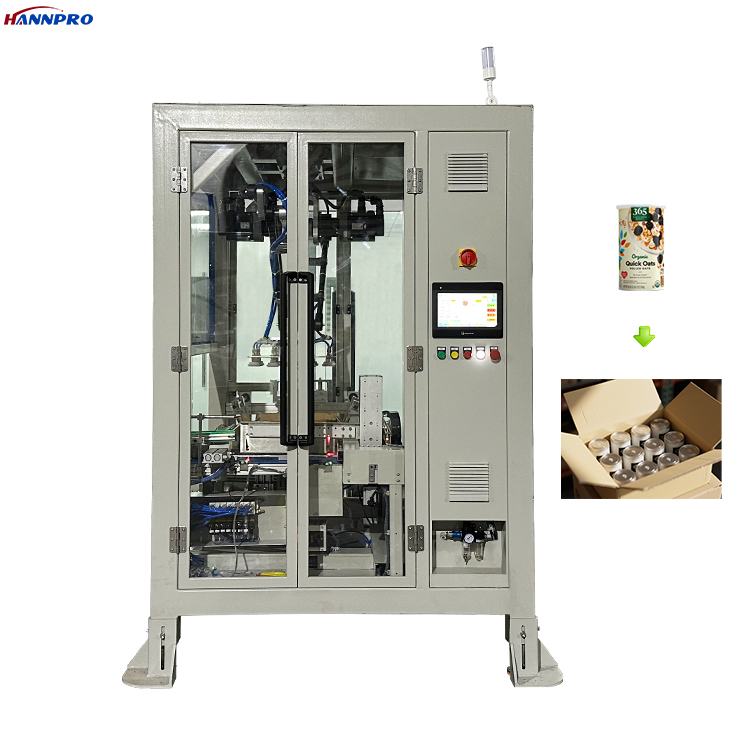
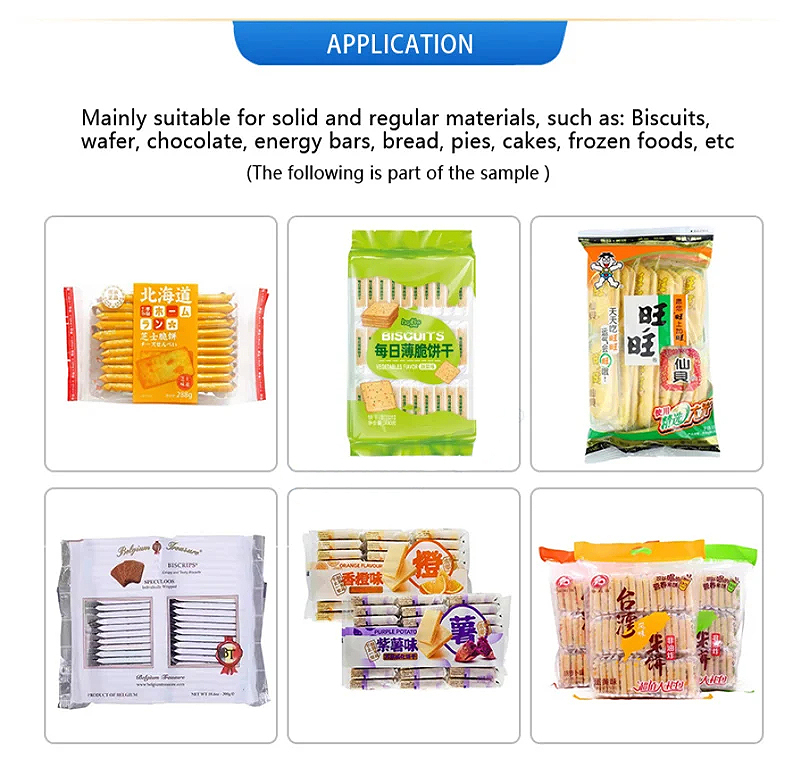
To meet the demand for product diversity, unmanned packaging lines adopt modular design and rapid mold change technology, enabling the quick switch between different packaging forms and specifications. For example, a paper box packaging machine can switch from standard paper boxes to irregular paper boxes, or from single-product packaging to mixed packaging of multiple varieties in a short time.
Safety Protection System
Unmanned operation does not mean no safety guarantee automatic packaging line. The production line is equipped with safety doors, light barriers, safety sensors, and emergency stop devices, which monitor the working area in real time. Once a person enters the dangerous area, the machine will automatically stop to ensure the safety of the human-machine collaboration environment.
The Actual Benefits of Unmanned Production
Table
Comparison DimensionTraditional Manual LineUnmanned Automatic Line
Processing SpeedAbout 50 pieces/minute300 pieces/minute or more
Effective Working HoursLess than 70% (fatigue, shift change)Over 95% (24-hour continuous operation)
Quality Inspection Miss Rate15% - 20%Lower than 0.01%
Product SwitchingRequires shutdown for debuggingPre-set programs, zero conversion loss
Summary
The implementation of unmanned production in automatic packaging lines is not a single technological breakthrough automatic packaging line, but a systematic integration of multiple technologies such as conveyor systems, industrial robots, machine vision, Internet of Things, big data, and intelligent control. Its core lies in replacing repetitive manual labor with machines and replacing experience-based decision-making with data-driven decision-making, ultimately achieving efficient, precise, traceable, and low-cost intelligent production. With the maturity of new technologies such as 5G, digital twins, and collaborative robots, unmanned packaging lines are continuously evolving towards more intelligent and flexible directions.