

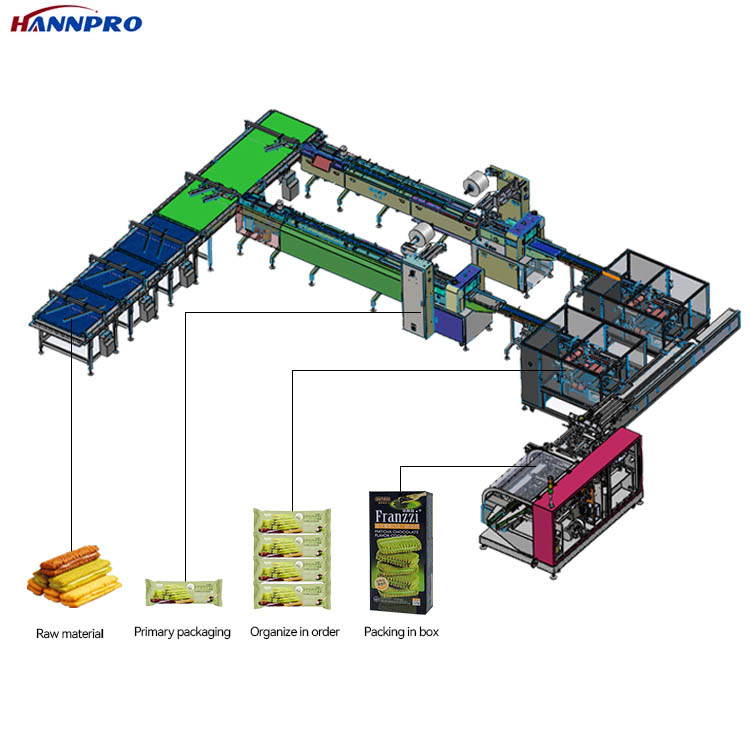
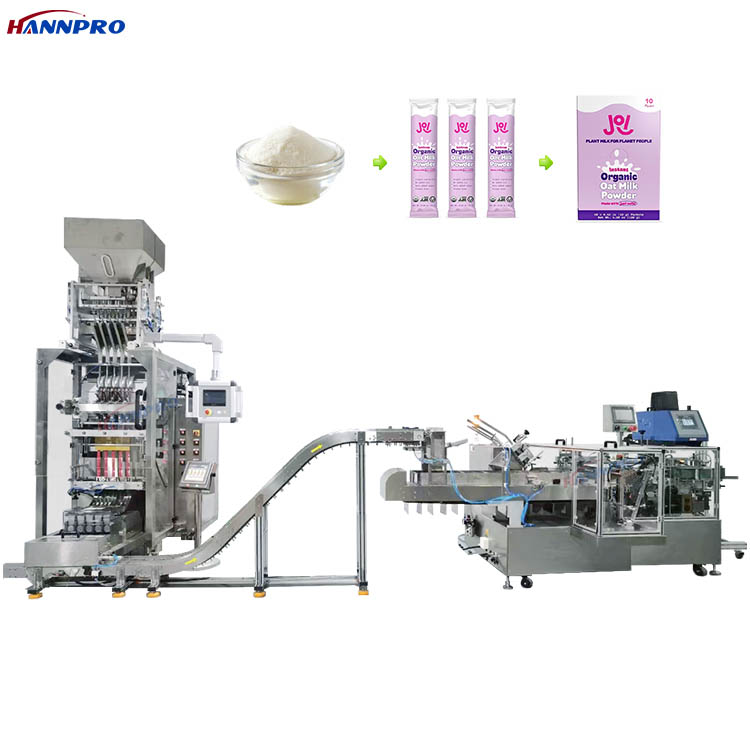
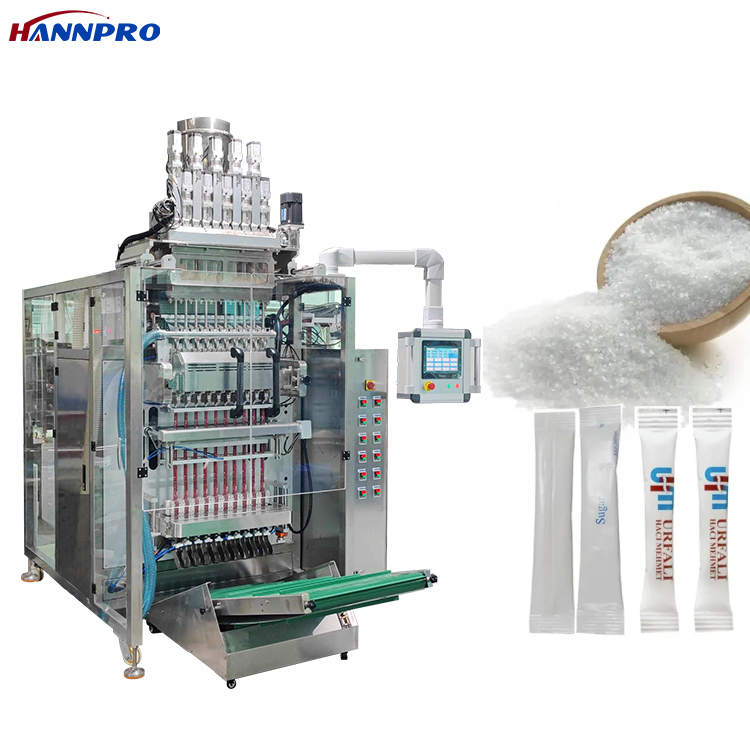
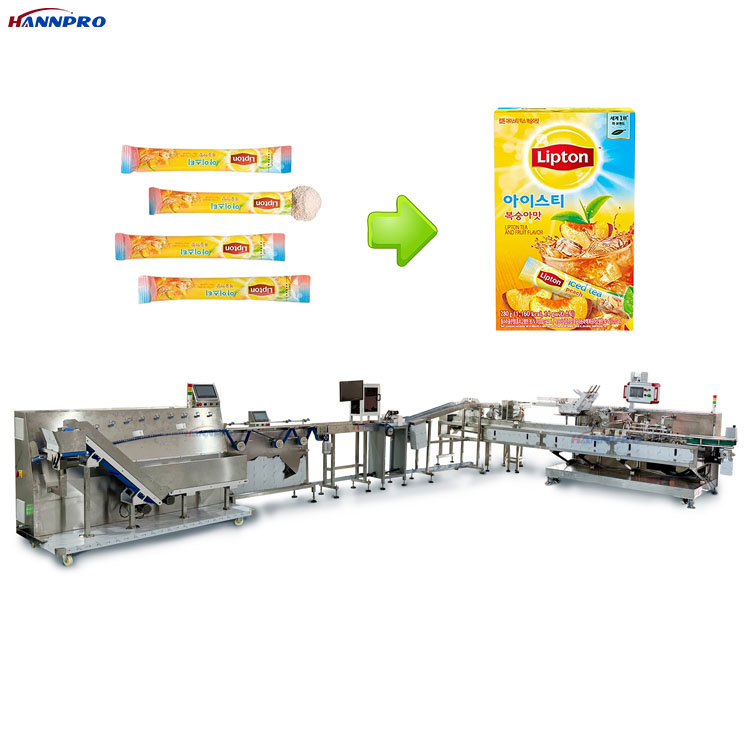
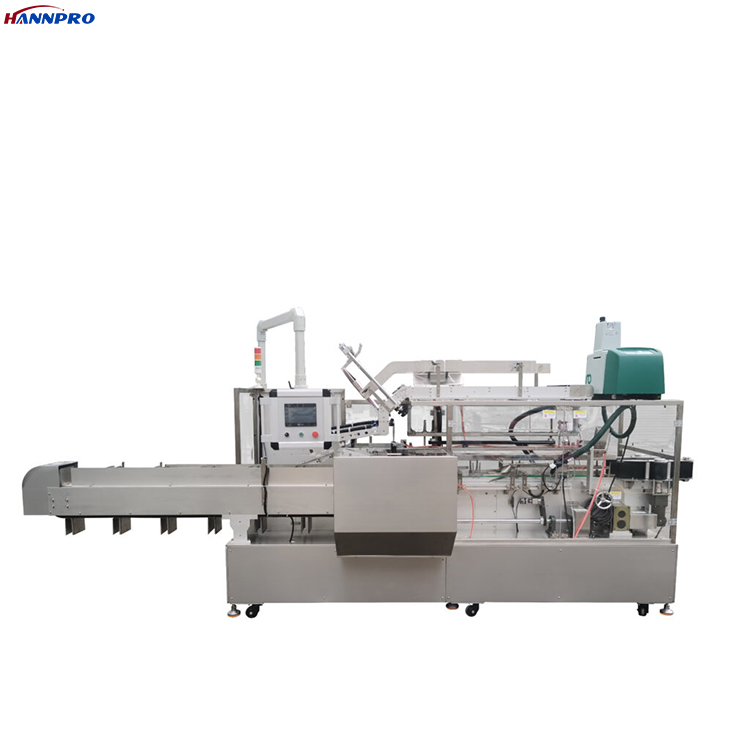
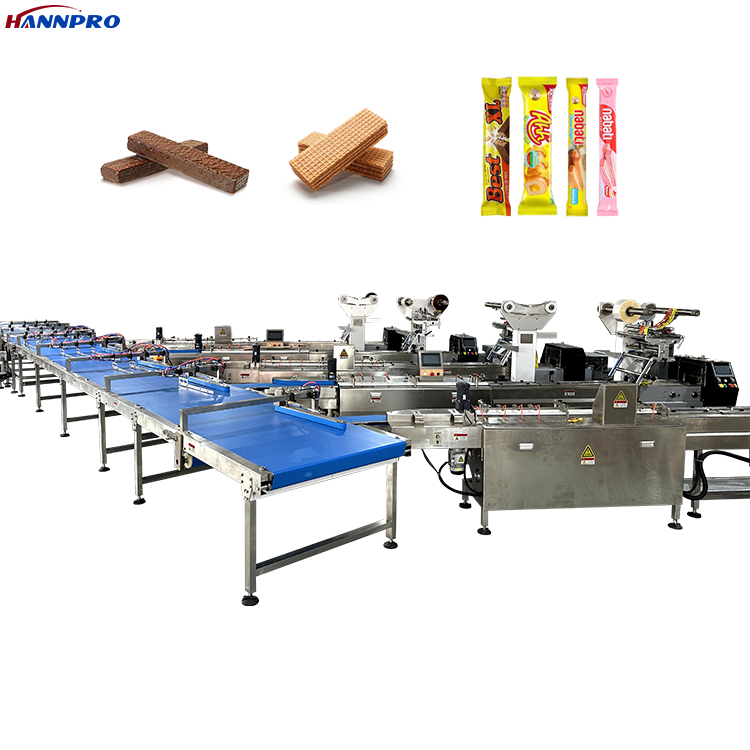
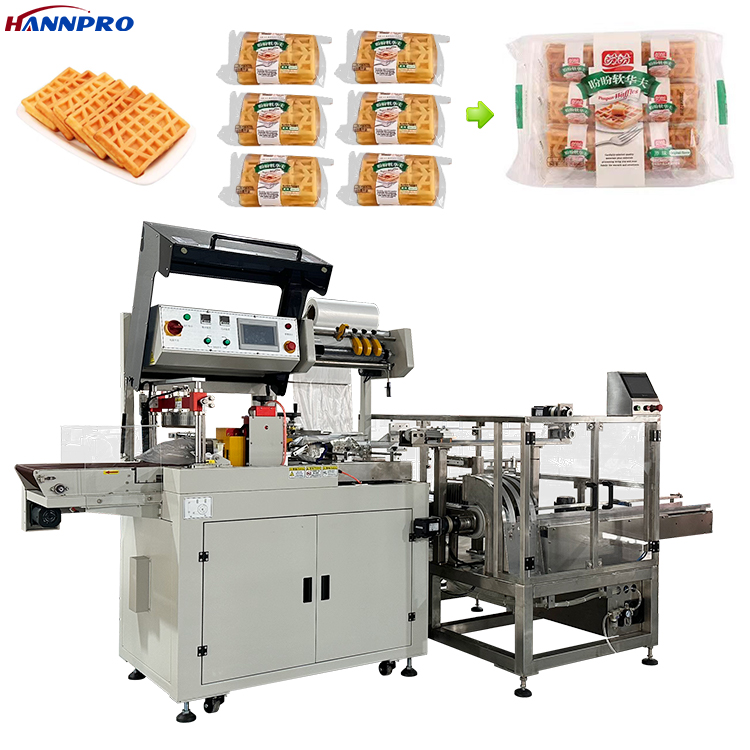
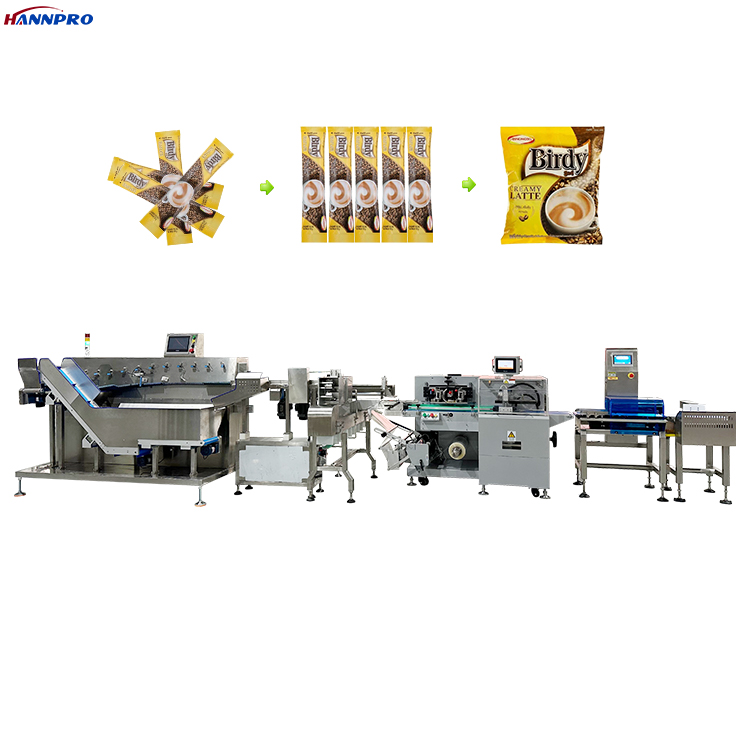
There are significant differences between fully automatic packaging machines and semi-automatic packaging machines in terms of automation level, production efficiency, flexibility, cost, and applicable scenarios. Here are the core differences:
1. Automation level and human involvement
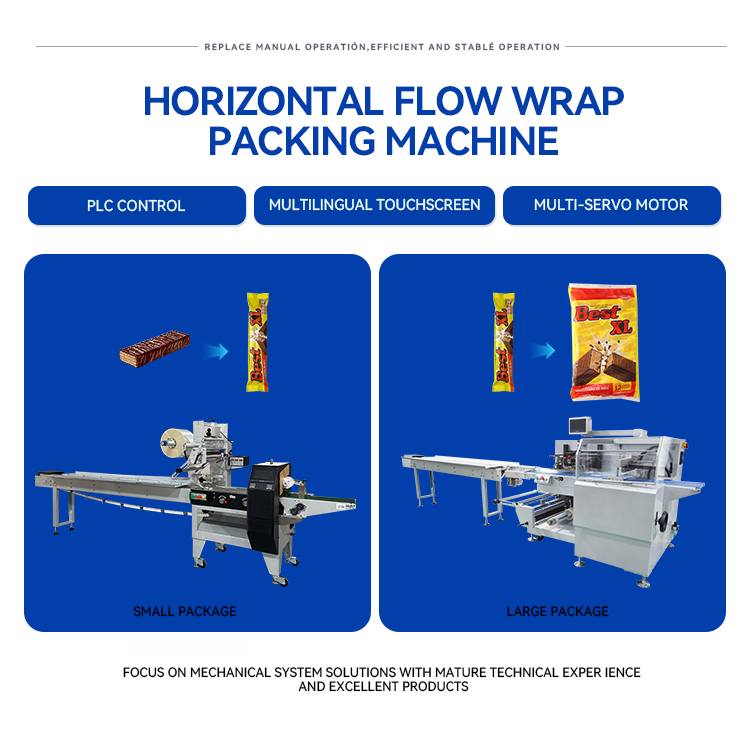
Fully automatic packaging machines: Highly advanced systems that can complete the entire packaging process with minimal human intervention. From product feeding, metering, filling, sealing to labeling, the entire process is completed automatically and continuously. Humans usually only need to be responsible for equipment maintenance, parameter adjustment, or monitoring.
Semi-automatic packaging machines: Require a certain degree of human involvement. Although the machine can automatically complete some steps (such as filling, sealing, metering), other steps (such as manual bagging, placing products, taking out packaging, etc.) still require manual operation.
2. Production efficiency and speed
Fully automatic packaging machines: Run extremely fast and are suitable for large-scale continuous production. The theoretical production capacity is usually over 40 to 200 packages per minute, and they can maintain a high operating time percentage and stable output.
Semi-automatic packaging machines: Production speed is limited by the operator's working rhythm. They can only reach 30% to 50% of the production capacity of the equivalent fully automatic system (such as processing hundreds to thousands of packages per hour), suitable for medium-sized production scales.
3. Flexibility and changeover capability
Fully automatic packaging machines: Have relatively low flexibility. Once a specific task is set, if different sizes or types of products need to be replaced, a lot of adjustments to the conveying system, feeding device, etc. are required, which takes a long time (although modern servo-driven equipment can shorten the changeover time).
Semi-automatic packaging machines: Have extremely high flexibility. They are very suitable for flexible production with multiple varieties and small batches. Changing products usually only requires simple parameter adjustments or replacing a few molds, and the changeover speed is extremely fast.
4. Investment cost and return period
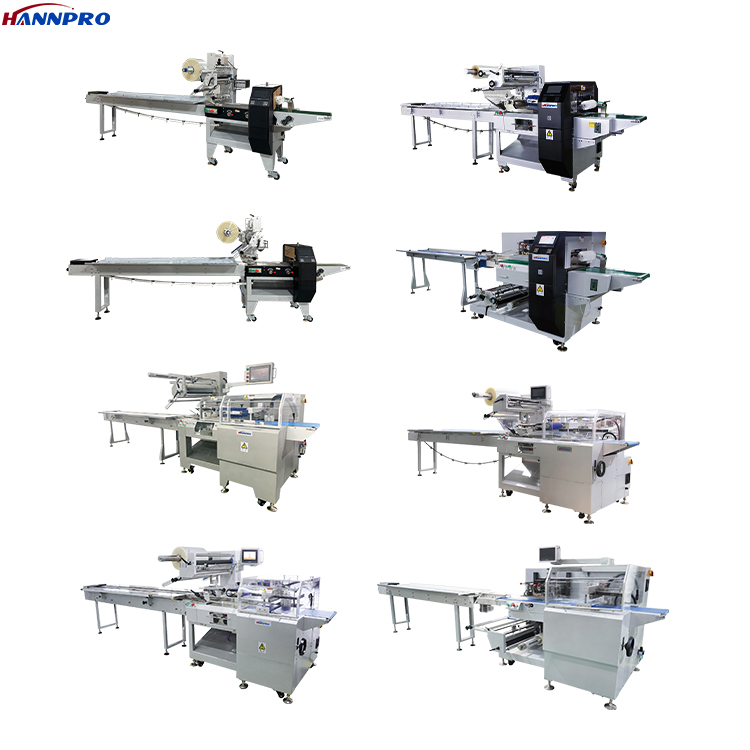
Fully automatic packaging machines: The initial equipment purchase, installation, and training costs are high (usually ranging from tens of thousands to several hundred thousand US dollars). However, as they can significantly reduce labor costs (saving 30% to 50%) and reduce material waste, for large-scale production, the investment return period is usually around 12-24 months.
Semi-automatic packaging machines: The initial investment is economical, and maintenance and repair costs are also lower. For enterprises with limited funds or small and medium-sized enterprises, it can achieve a capacity leap with the minimum investment. The investment return period is usually shorter, about 6-12 months.
5. Applicable scenarios and material adaptability
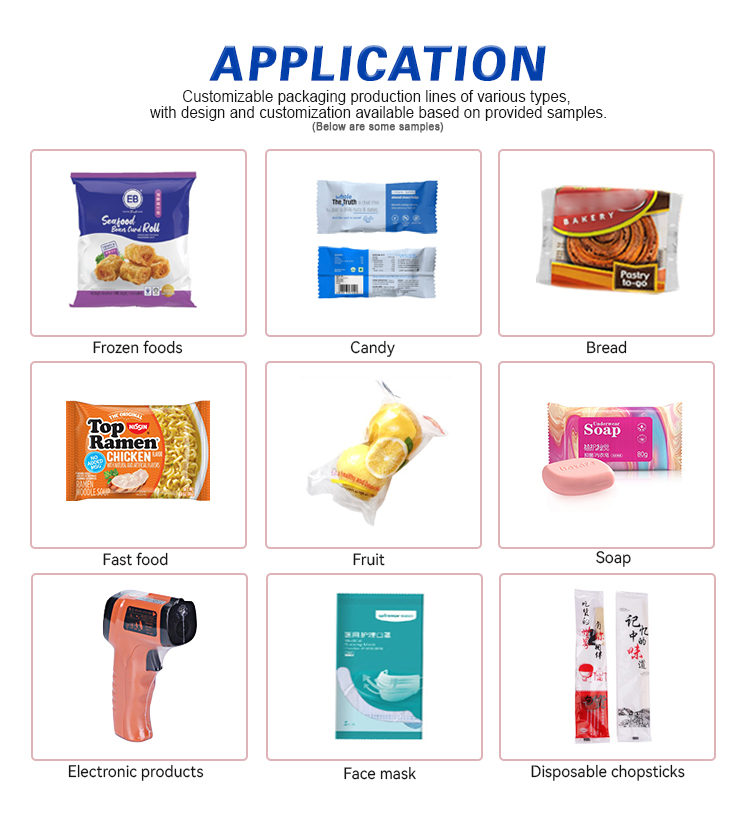
Fully automatic packaging machines: Suitable for industries with large monthly production volumes (such as continuous over 200,000 units), large orders, and relatively simple products (such as large food factories, pharmaceutical factories). For products with extremely irregular shapes, fragile or requiring precise arrangement, fully automatic mechanical hands have greater handling difficulties.
Semi-automatic packaging machines: Suitable for enterprises with moderate production volumes, frequent SKU changes, limited space, or limited capital budget. In addition, for products with irregular shapes, fragile or sticky materials, manual loading is currently more flexible and gentle, which can effectively reduce material loss.