

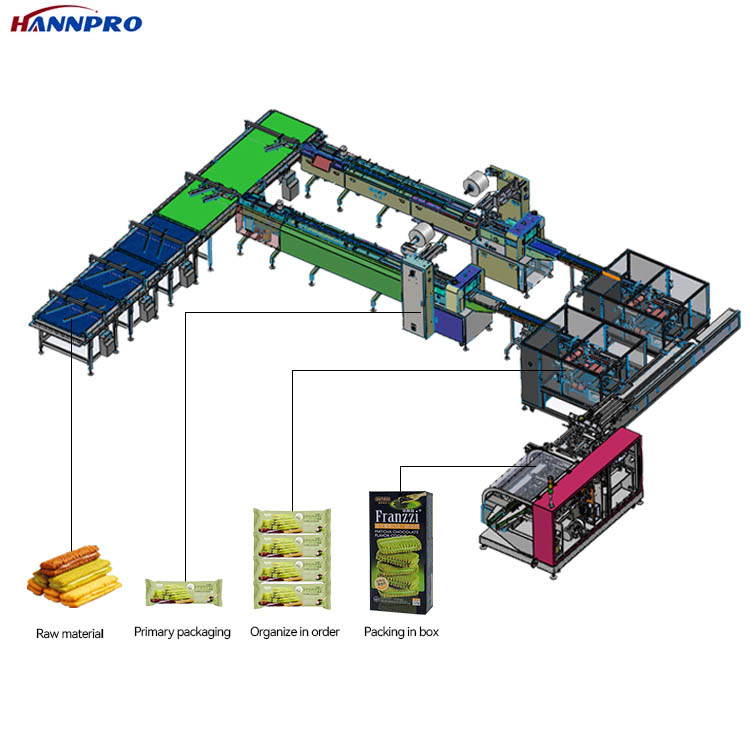
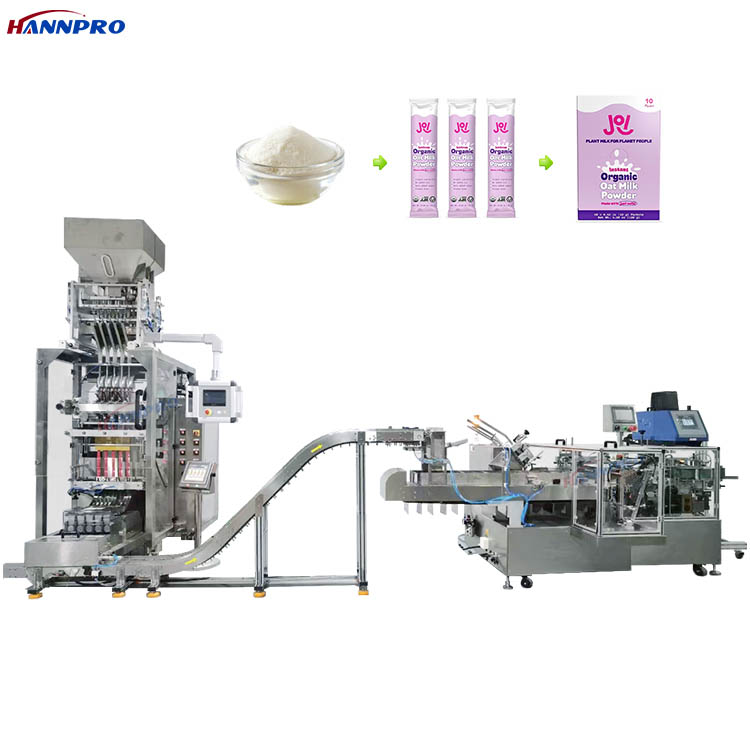
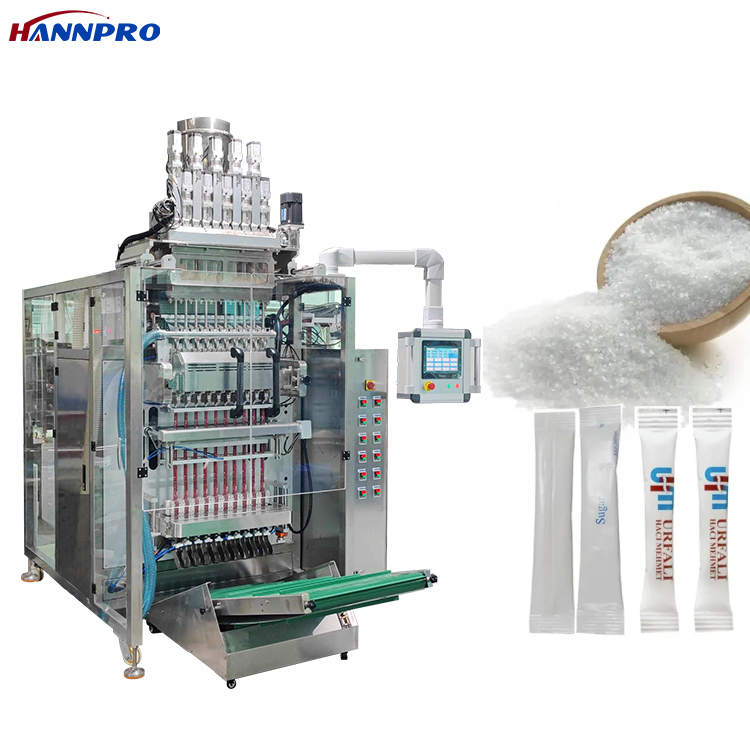
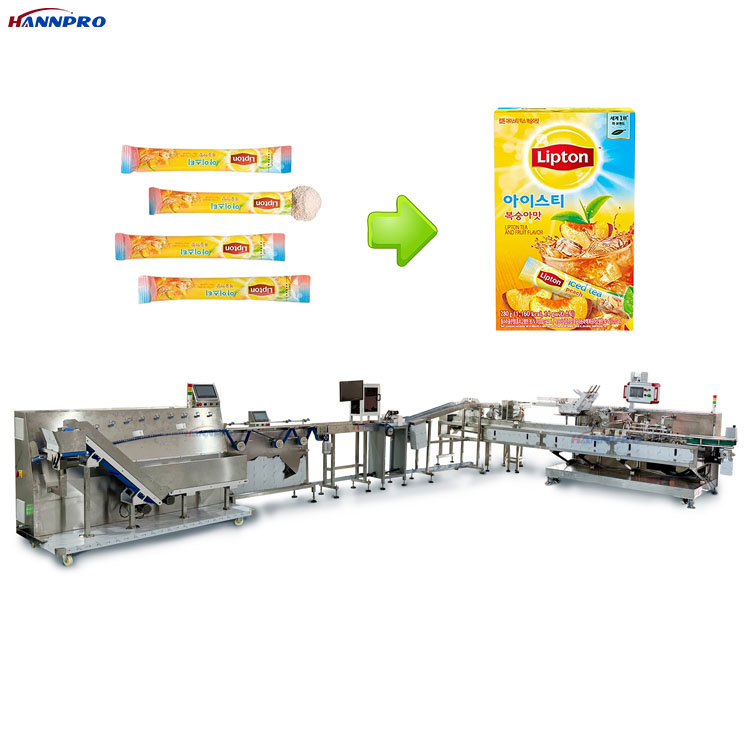
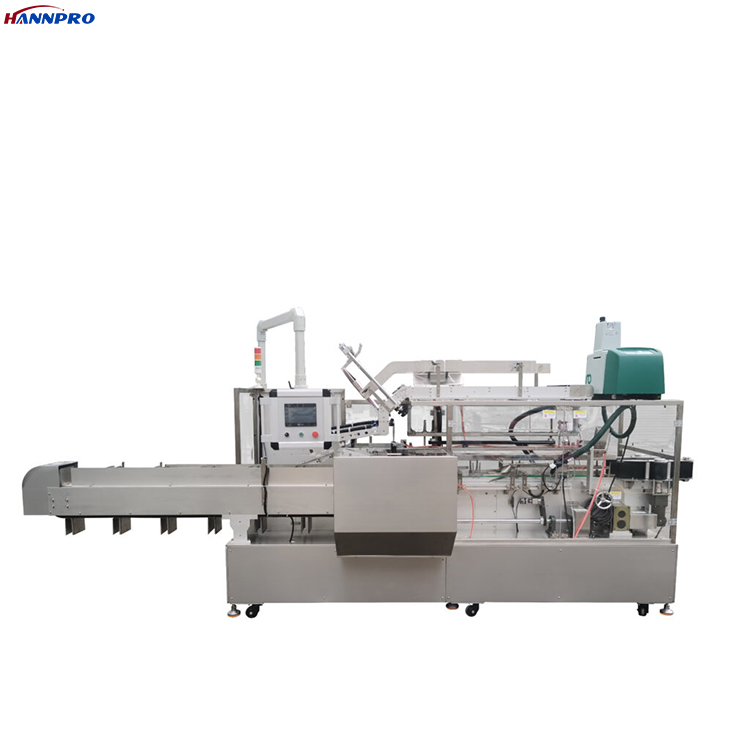
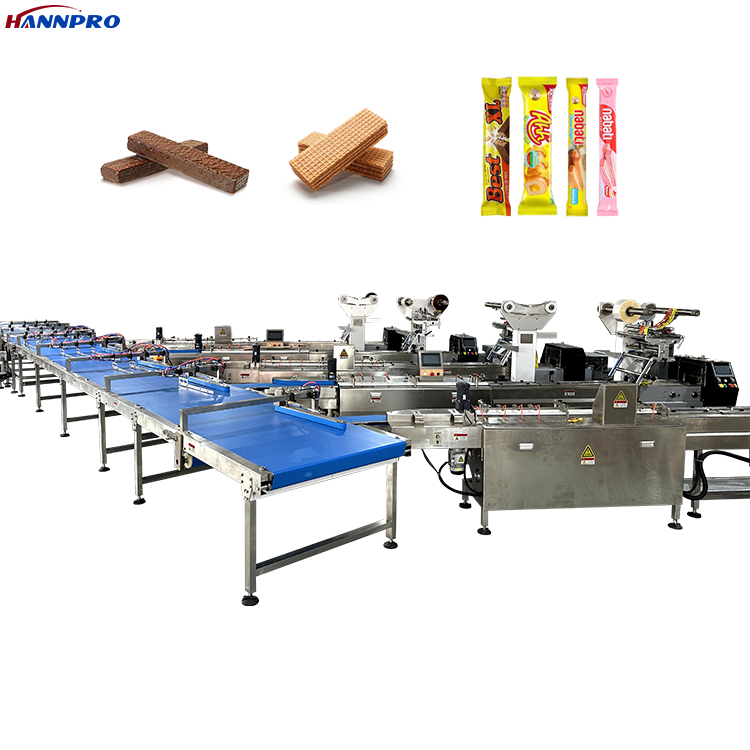
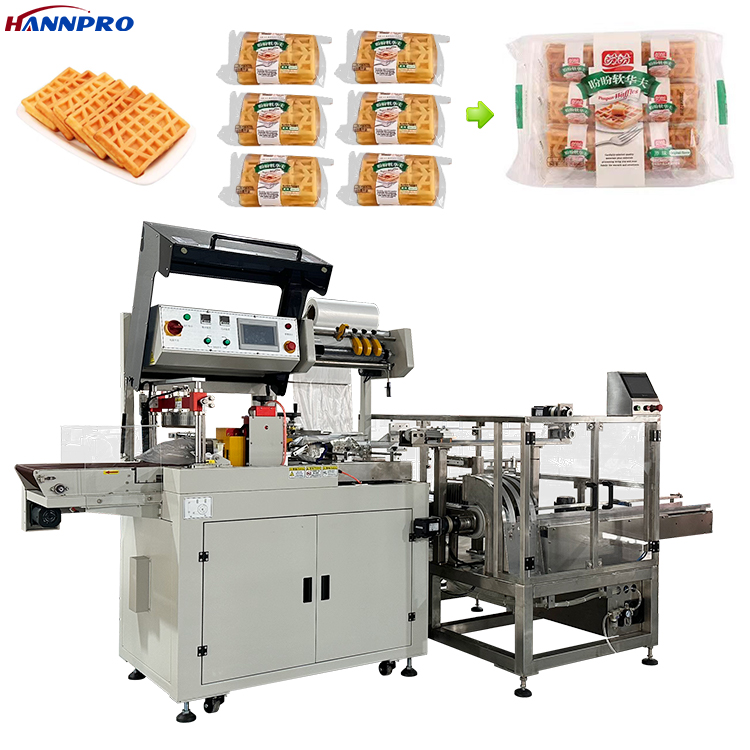
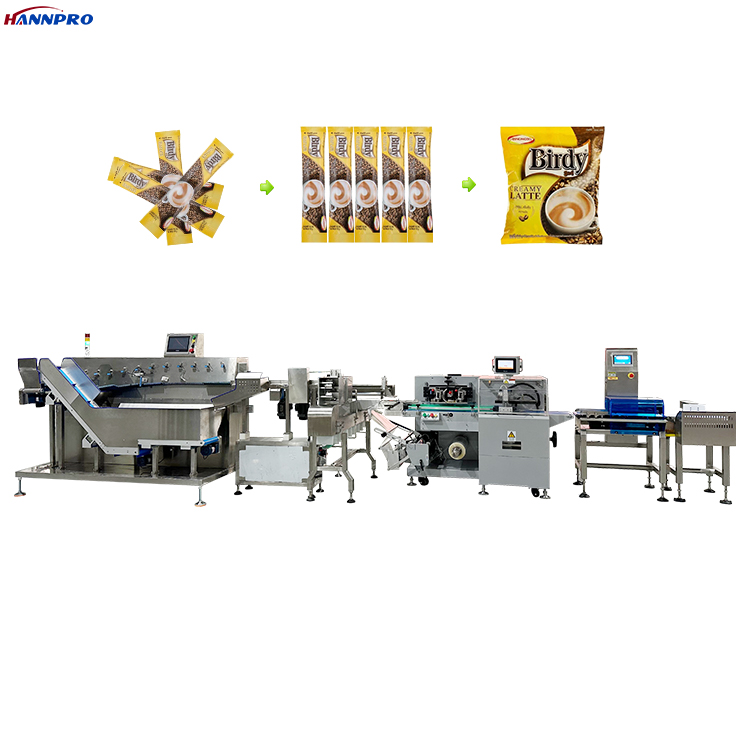
For small manufacturers, the choice between a semi-automatic and a fully automatic packaging line isn't about which is "better," but which is the right strategic fit for your current stage of business fully automatic packaging line. The decision hinges on balancing initial investment, production volume, and long-term operational costs.
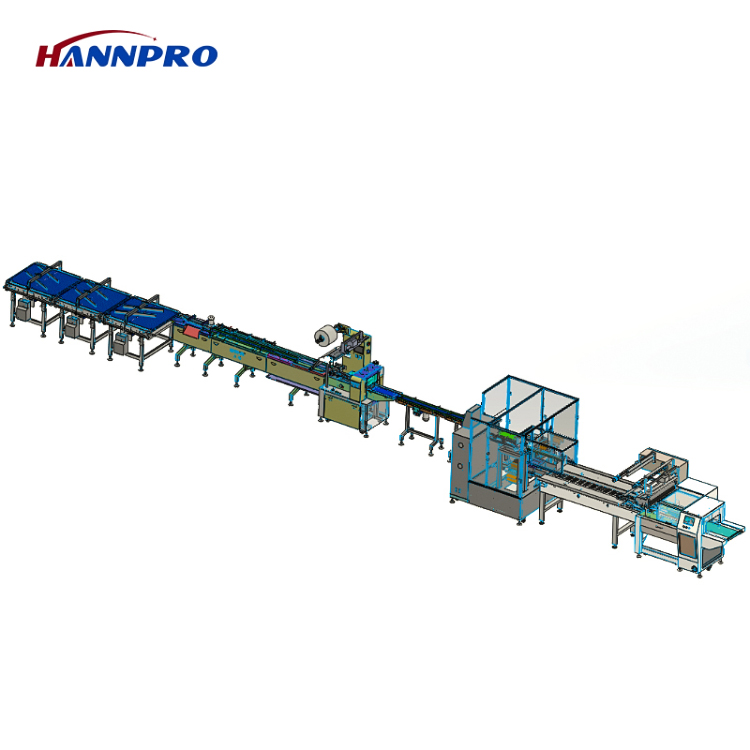
Here is a practical framework to help you decide.
⚖️ Key Differences at a Glance
Feature
Semi-Automatic Line
Fully Automatic Line
Labor Requires 1-2 operators for tasks like loading/unloading. Needs 0-1 supervisor to monitor multiple lines.
Speed Moderate, typically 150-500 units/hour. High, often 500-1,200+ units/hour fully automatic packaging line.
Initial Cost Lower investment, often $30,000 - $80,000. Higher investment, typically $150,000 - $500,000+.
Flexibility High. Quick changeovers (5-15 mins) for different products/sizes. Lower. Longer setup times (30-60 mins) for changeovers.
Best For Low-to-medium volume, high product variety, tight budgets. High volume, few SKUs, 24/7 operation, long-term cost savings.
🎯 When to Choose a Semi-Automatic Line
A semi-automatic system is often the pragmatic starting point for small manufacturers. It’s a lower-risk way to introduce automation without a massive capital outlay fully automatic packaging line.
You have low-to-medium production volume: If your daily output is under 500 units, a semi-automatic line is usually more economical.
Your product mix changes frequently: If you run many small batches of different products or package sizes, the quick changeover flexibility is a major advantage fully automatic packaging line.
Your budget is limited: The significantly lower initial investment frees up capital for other critical areas like marketing, R&D, or raw materials.
You're testing a new product: It's an ideal solution for validating market demand before committing to a high-speed, dedicated line.
The Trade-off: You are trading capital expenditure for operational expenditure. Labor costs remain a significant and recurring expense, and output consistency can vary with operator fatigue or skill fully automatic packaging line.
🚀 When to Consider a Fully Automatic Line
A fully automatic line is a strategic investment for growth. It makes sense when your business model has proven demand and labor is becoming a bottleneck fully automatic packaging line.
You have high, consistent production volume: If you consistently produce over 1,000 units per day of a single SKU, the efficiency gains justify the cost.
Labor is scarce or expensive: If you struggle to hire reliable staff or labor costs are eating into your margins, automation can reduce dependency by 30-60%.
You need 24/7 operation: For businesses supplying large retailers or running multiple shifts, a fully automatic line can run continuously with minimal supervision fully automatic packaging line.
You prioritize long-term ROI: While the upfront cost is high, the dramatic reduction in labor and material waste can lead to a payback period of 18-36 months, after which the savings are pure profit.
The Trade-off: You are committing significant capital upfront. The system is less flexible, so it’s a poor choice if your product line is still evolving. It also requires more space and potentially specialized maintenance fully automatic packaging line.
🧮 A Simple Decision Framework
Before making a decision, run through this quick assessment:
Calculate Your True Volume: What is your average daily/weekly output, not just your peak? Be honest about your current and projected 2-year volume.
Do the Math on Labor: What is your total annual cost per packer (wages, benefits, turnover, training)? Multiply this by the number of people a fully automatic line would replace.
Estimate the Payback Period: Use this simplified formula:
Additional Initial Cost of Auto Line ÷ Annual Labor Savings = Payback Period in Years
A payback period under 2-3 years is often considered a strong case for full automation for a growing small manufacturer.
Assess Your Product Stability: Are you likely to be packaging the same core products in the same sizes for the next few years, or is your portfolio highly dynamic?
Final Verdict for Small Manufacturers:
Start with a semi-automatic line if you are validating your product, have variable volumes, or need to conserve cash. It’s a flexible, lower-risk entry into automation.
Plan for a fully automatic line when your sales data consistently proves demand for a specific product, and your primary constraint is no longer capital, but labor and throughput fully automatic packaging line. At this stage, automation shifts from being an expense to a critical competitive advantage.
💡 Pro Tip: Don't just look at the price of a single machine. Think in terms of an integrated solution. A high-speed filler is useless if your capper or labeler can't keep up, creating a new bottleneck. Always plan the entire line, including downstream processes like case packing and palletizing, to avoid the "front-fast, back-slow" trap fully automatic packaging line. Many suppliers now offer modular systems that allow you to start semi-automatically and add modules later as you grow.
Want me to work out a rough payback calculation for your specific case? Just share your current daily output, number of packers, and labor cost per person per year. I can help you model the numbers.