

Improving Overall Equipment Effectiveness (OEE) and reducing jams on industrial packaging lines requires a holistic approach that combines mechanical adjustments industrial packaging lines, process optimization, and digital monitoring. Based on industry best practices, here is a comprehensive guide to achieving these goals:
1. Optimize Mechanical Components to Reduce Jams
Jams and blockages are primary causes of micro-stops that severely impact performance. Proper mechanical adjustments can significantly reduce these issues:
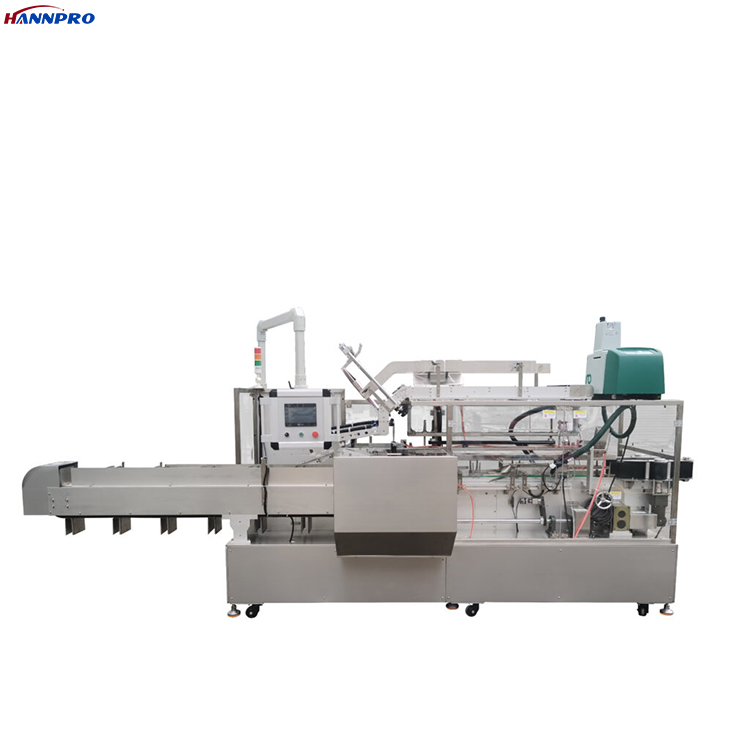
Precision Guide Rail Adjustment: For cartoners and packaging machines, ensure guide rails are perfectly parallel and symmetrical industrial packaging lines. Adjust the rail width to leave a gap of about 2-3mm wider than the actual box size to prevent friction-induced jams or misalignment.
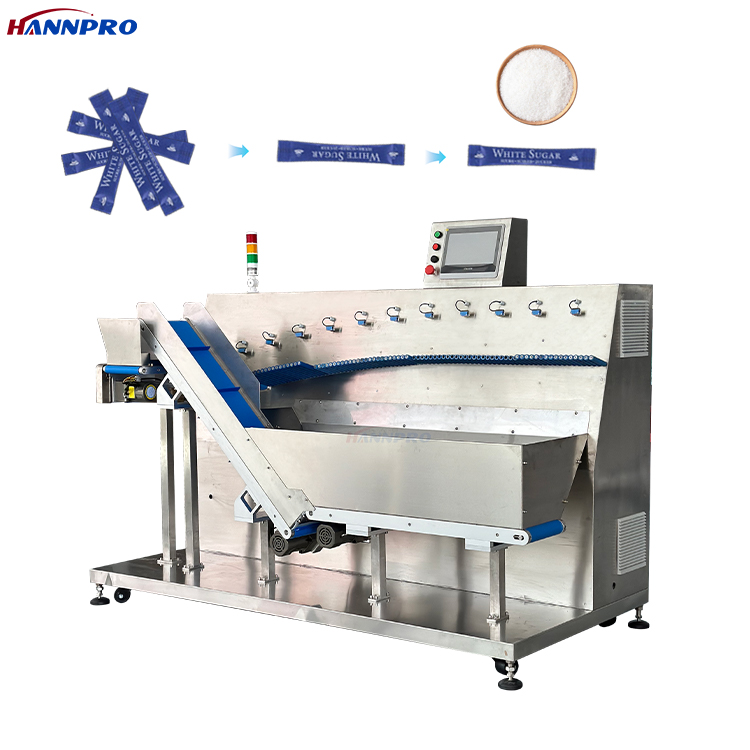
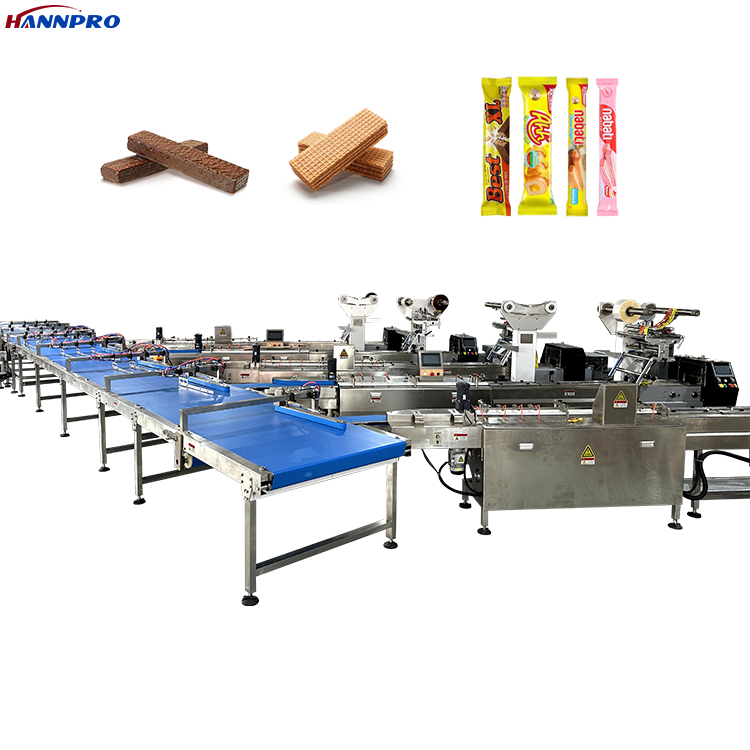
Conveyor and Tension Maintenance: Regularly check conveyor belt tension. A properly tensioned belt (depressing about 1-2cm when pressed) prevents slipping and product misalignment industrial packaging lines. Keep guide wheels aligned to prevent packaging from running off-track.
Cleanliness and Lubrication: Accumulated dust, glue residue, or paper scraps in channels are frequent jam culprits. Implement strict daily cleaning routines and use appropriate lubricants on high-friction areas to reduce running resistance.
Sensor Calibration: Jams often occur when products are not detected correctly industrial packaging lines. Clean optical sensors and photoelectric switches regularly, and recalibrate (stroke) switches for push mechanisms to ensure accurate positioning.
2. Implement OEE and TPM Frameworks
To systematically improve OEE, manufacturers should integrate Overall Equipment Effectiveness tracking with Total Productive Maintenance (TPM):
Measure OEE Accurately: Calculate OEE by multiplying Availability (actual vs. planned production time), Performance (running at max speed), and Quality (good products vs. total produced). This helps identify whether inefficiencies stem from downtime industrial packaging lines, slow cycles, or defects.
Autonomous Maintenance: Train operators to perform routine daily maintenance, such as cleaning, tightening bolts, and identifying early signs of wear. This empowers staff to catch potential issues before they cause breakdowns.
Planned Maintenance: Shift from reactive repairs to proactive industrial packaging lines, scheduled maintenance based on historical machine data to minimize unexpected downtime.
3. Leverage Digitalization and Predictive Technologies
Modern packaging lines benefit immensely from integrating IoT and data analytics:
Predictive Maintenance (PdM): Utilize IoT sensors to monitor vibration, temperature, and pressure in real-time. These systems can predict mechanical misalignments or component wear with over 95% accuracy industrial packaging lines, allowing for repairs before a jam or breakdown occurs.
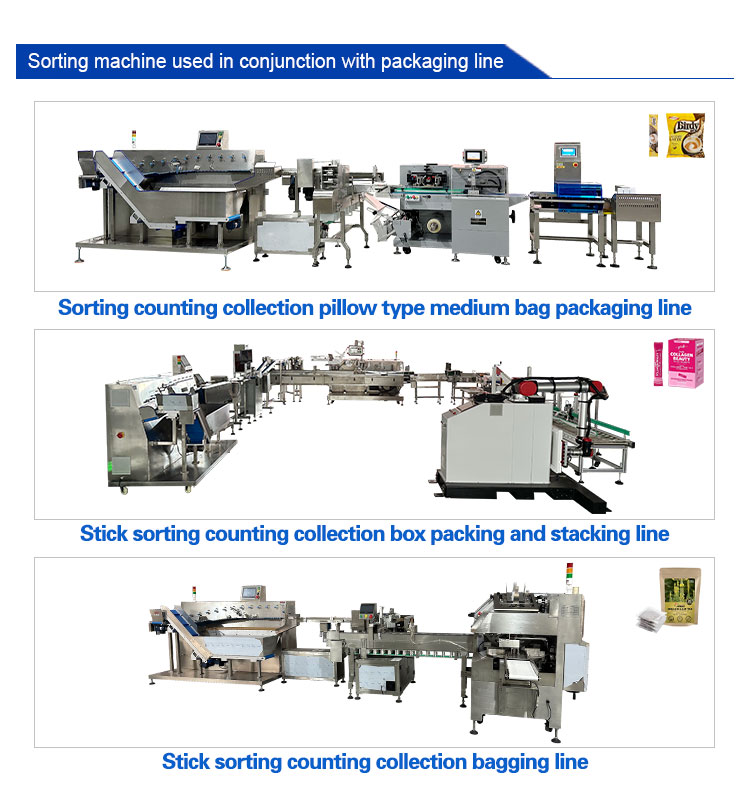
Real-Time Monitoring Systems: Implement software solutions (like LineView or EIT) that provide live dashboards on line status. These tools automatically categorize downtime causes and help teams quickly identify and eliminate chronic losses or bottlenecks.
SMED for Changeovers: Apply Single Minute Exchange of Die (SMED) methodologies to reduce setup and changeover times between different product SKUs, thereby increasing overall line availability.
4. Streamline Processes and Human Factors
Equipment efficiency is heavily dependent on how the line is managed and operated:
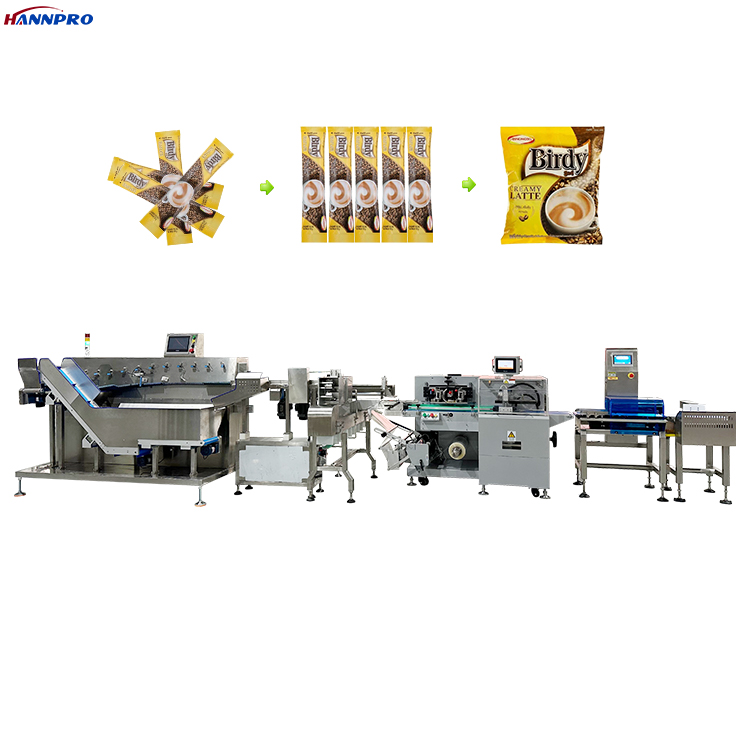
Identify and Eliminate Bottlenecks: Use OEE data to pinpoint specific bottleneck processes (e.g., sealing, labeling, or cartoning). Redesign layouts, add buffer zones, or upgrade specific machinery to balance the line's cycle time.
Operator Training and Kaizen: Invest in continuous training so operators can quickly respond to anomalies. Establish Kaizen (continuous improvement) teams where employees collaborate to identify wasteful steps, optimize layouts, and reduce unnecessary movements during changeovers industrial packaging lines.
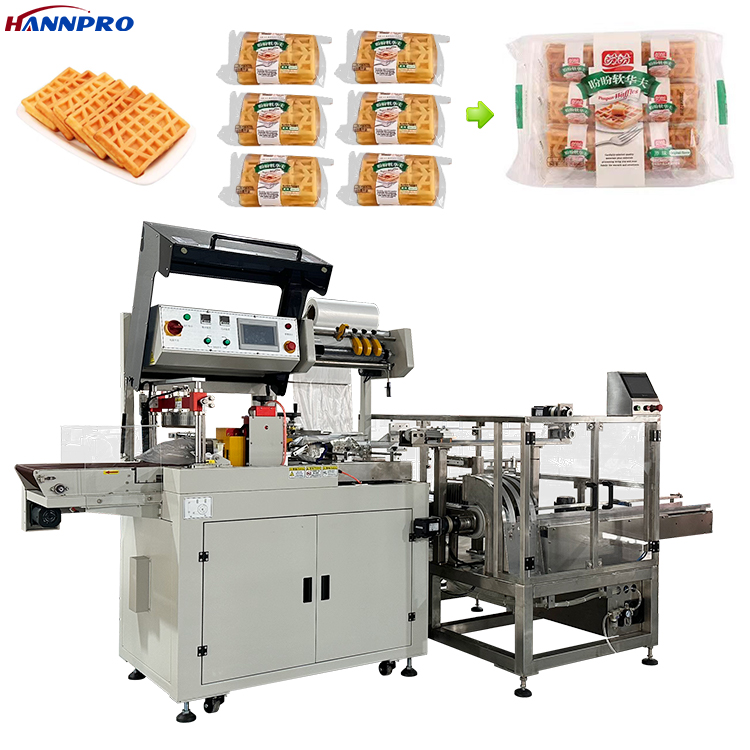
Material Compatibility: Ensure packaging materials (like cartons or films) meet equipment specifications. Poorly folded cartons or inconsistent material quality are frequent causes of jams; establishing strict incoming material quality checks can prevent this.
By combining precise mechanical maintenance with data-driven OEE tracking and a culture of continuous improvement industrial packaging lines, industrial packaging lines can achieve substantial reductions in jams and significant leaps in overall productivity.