

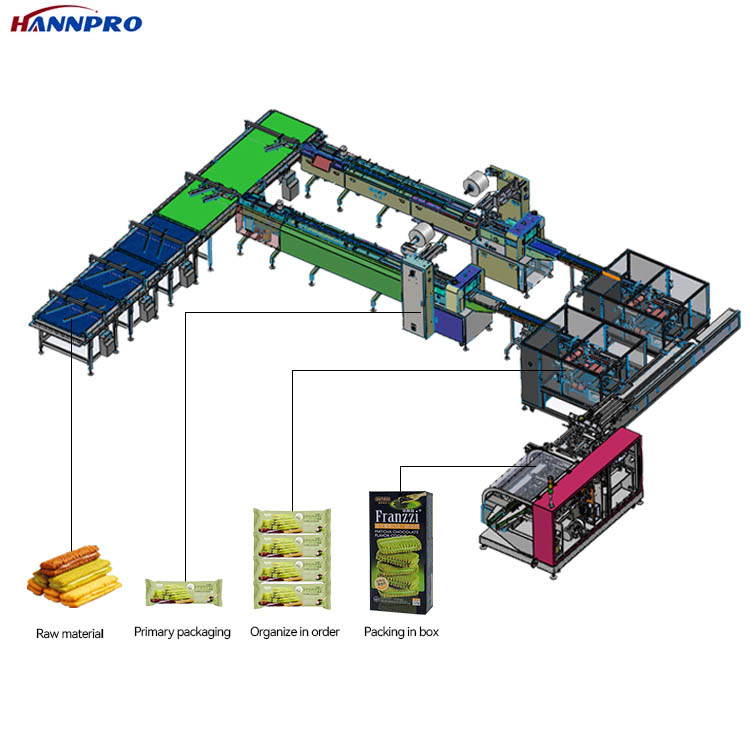
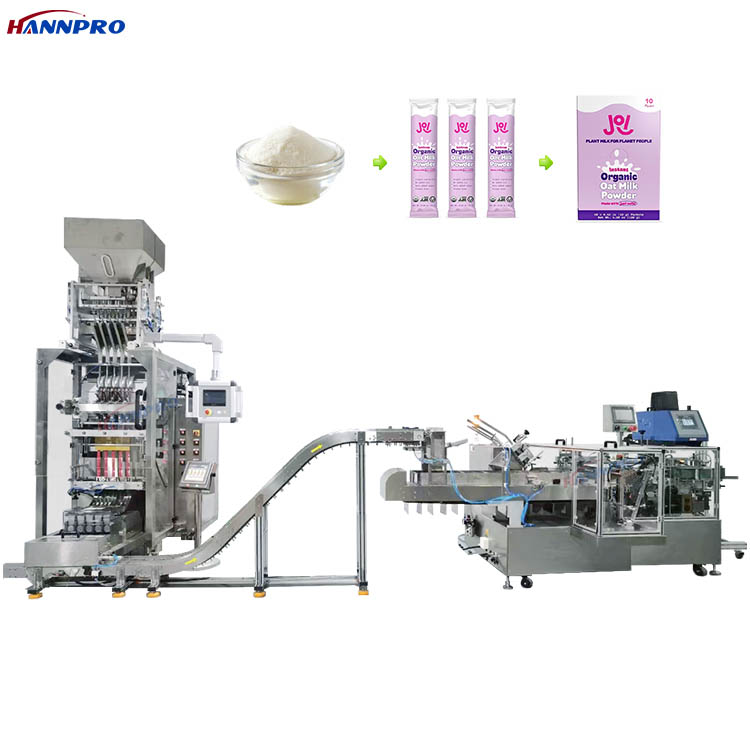
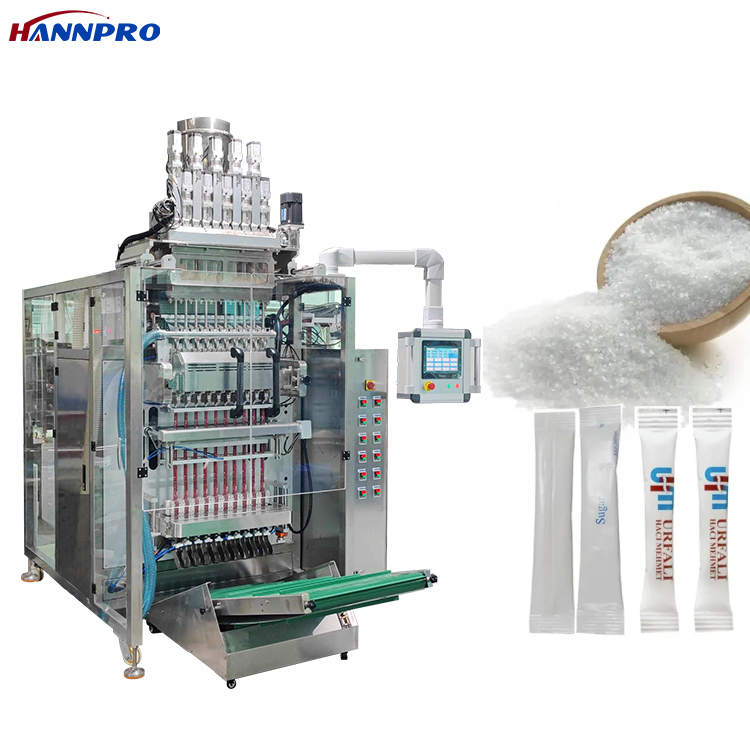
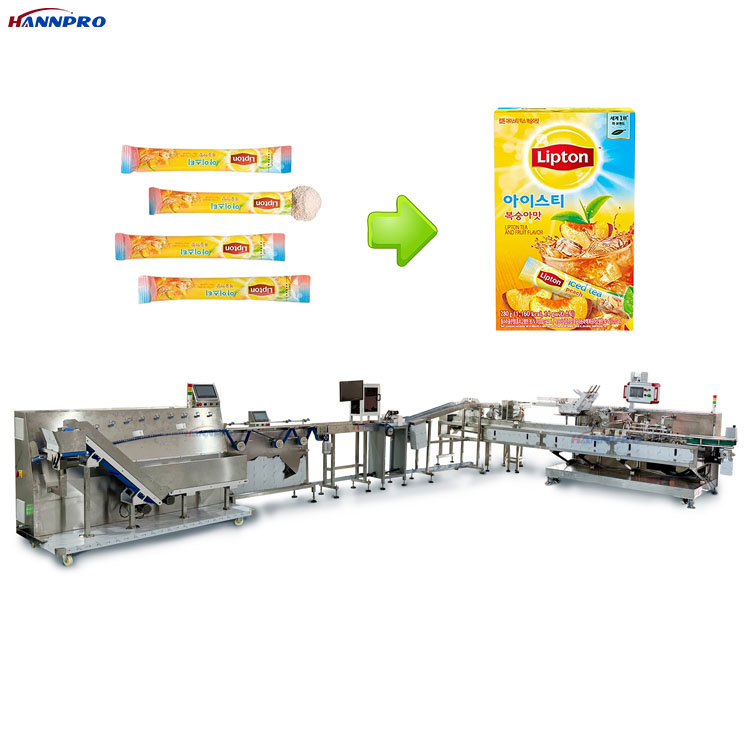
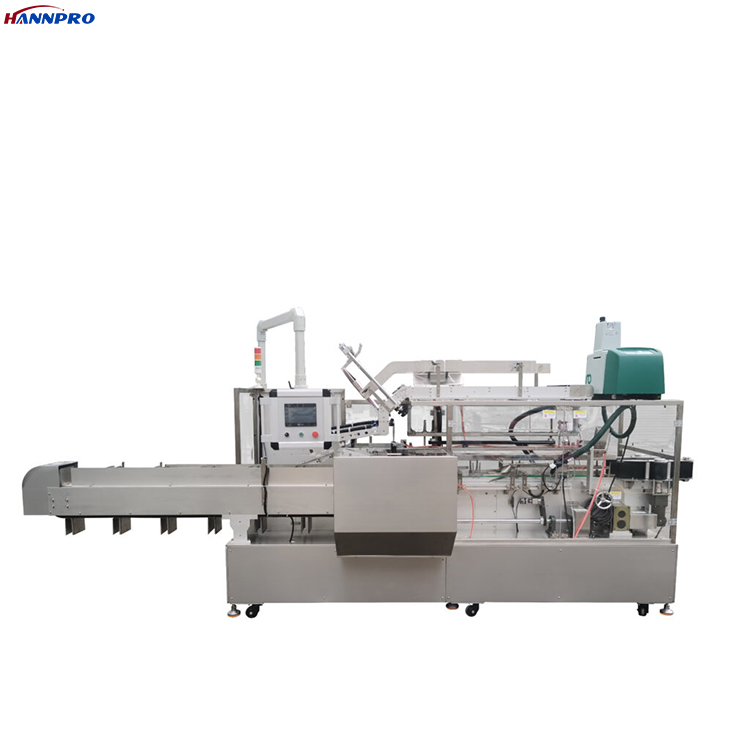
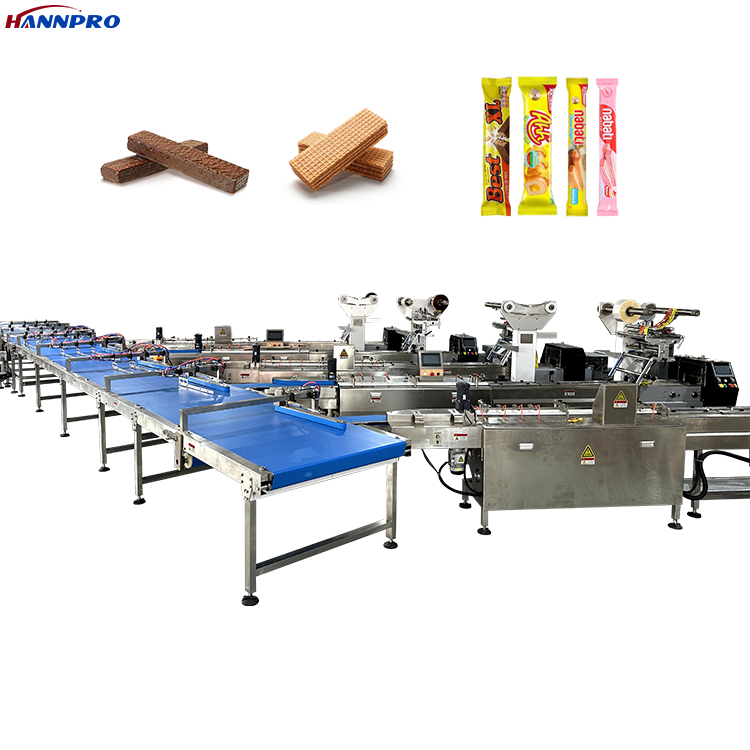
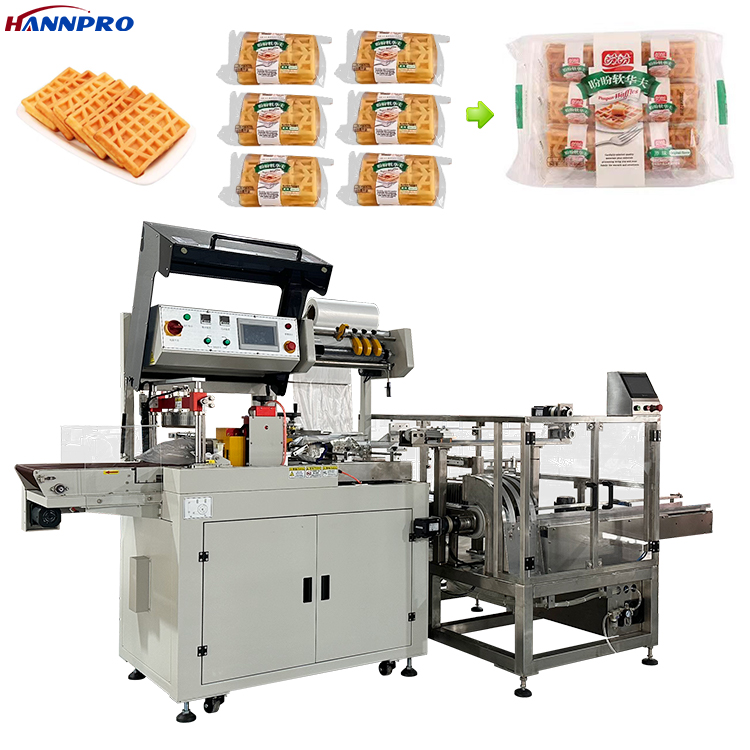
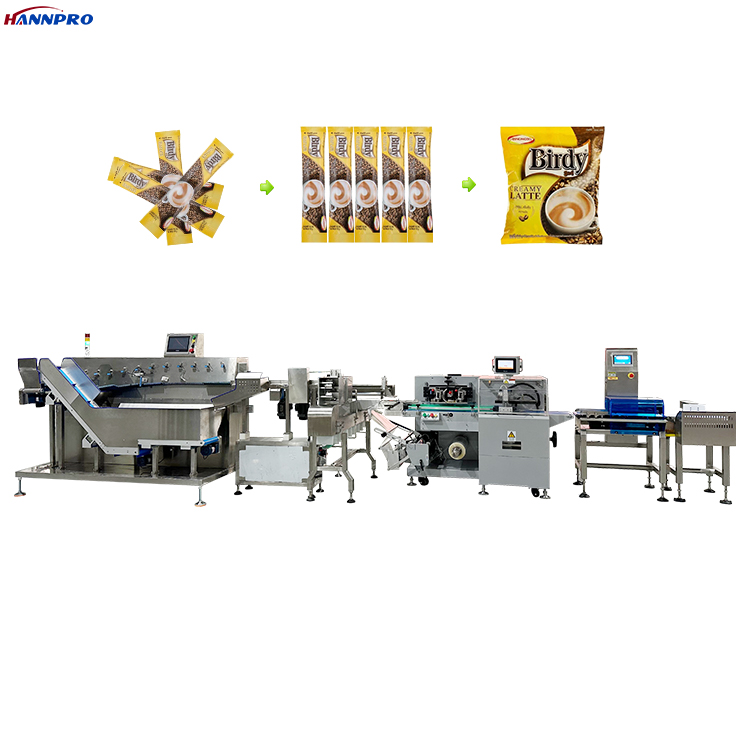
Designing a compact packaging line layout for limited factory space requires a strategic blend of spatial optimization, equipment selection, and lean manufacturing principles. Here are the key strategies to maximize efficiency in a constrained area:
1. Optimize Equipment Layout and Form
Adopt U-Shaped or C-Shaped Layouts: These configurations significantly shorten worker movement distances and facilitate single-piece or small-batch continuous flow compact packaging line. They also allow one operator to manage multiple processes and improve team communication.
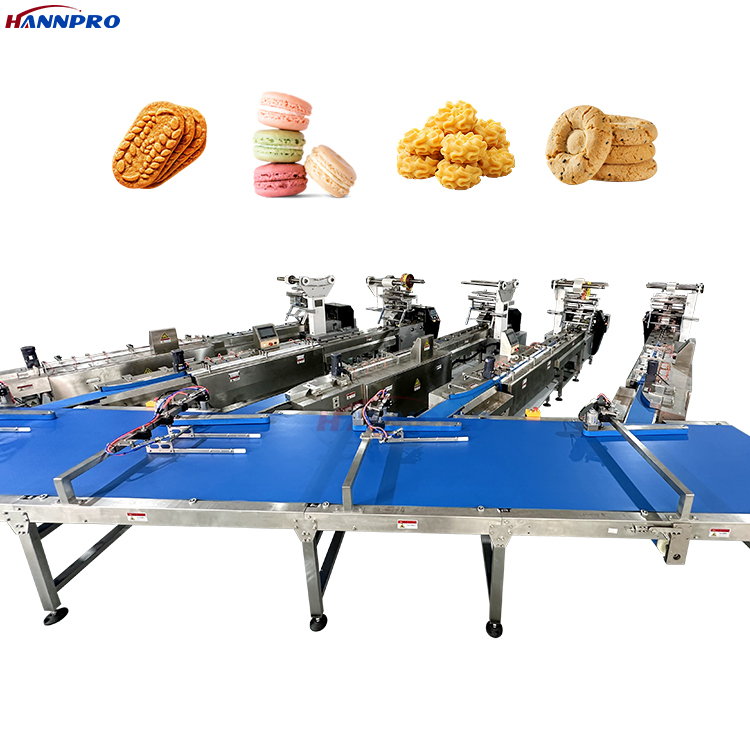
Integrate Core Processes: Combine multiple sequential processes (e.g., blowing, filling, and capping) into a single, unified module compact packaging line. Eliminating intermediate conveyors between these integrated machines drastically reduces the overall footprint.
Utilize Vertical Space: Instead of spreading out horizontally, integrate auxiliary equipment (like storage bins or elevators) above or below the main machines. This (three-dimensional) utilization keeps the floor clear for material flow and personnel movement.
2. Streamline Material Flow
Ensure Unidirectional Flow: Arrange equipment strictly according to the process sequence to create a continuous, forward-moving stream compact packaging line. This prevents material cross-overs, backtracking, and unnecessary handling.
Minimize Buffer Zones: Reduce or eliminate large intermediate storage areas between machines. Implementing small-batch or single-piece flow reduces the need for work-in-progress (WIP) inventory accumulation.
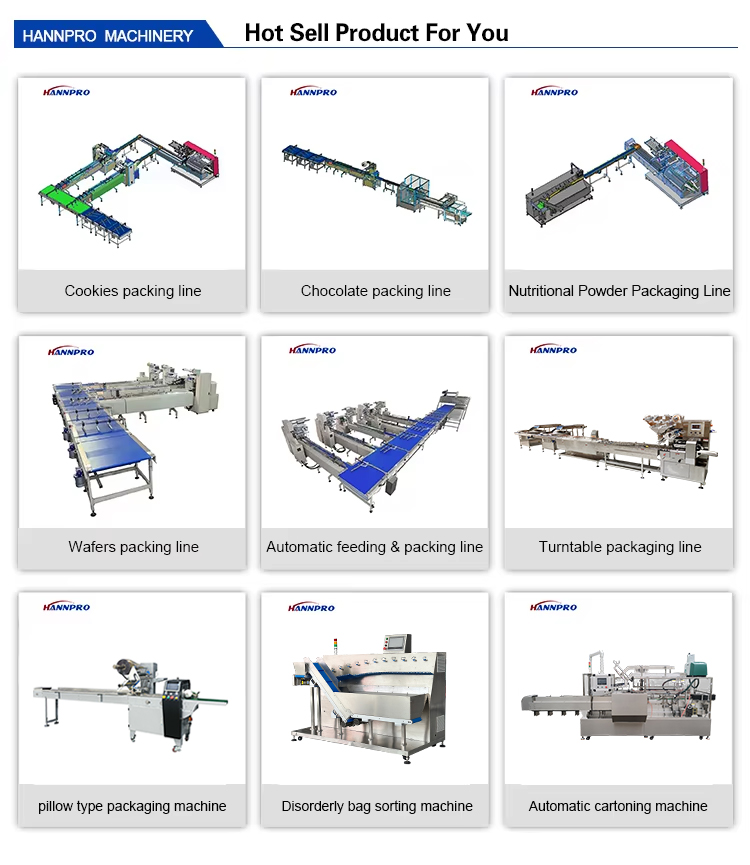
Outsource Non-Core Tasks: To save floor space, consider outsourcing preliminary tasks (like bottle unscrambling or pre-cleaning) to external service providers compact packaging line, keeping only essential, high-value packaging steps in-house.
3. Select Compact and Flexible Equipment
Choose Miniaturized Machinery: Opt for equipment specifically designed with a compact structure and fewer transfer components (e.g., fewer star wheels or conveyor belts) to minimize the required footprint.
Modular Design: Utilize standardized, modular equipment with universal interfaces compact packaging line. This allows for quick format changes and easy expansion or reconfiguration without requiring major structural overhauls.
Alternative Processing Tech: Consider alternative processing methods that require less space, such as using instant sterilization equipment instead of bulky traditional pasteurizers.
4. Apply Lean Manufacturing Principles
Ergonomics and Action Optimization: Place tools, parts, and controls within easy reach of operators to eliminate wasted motion. Design the line to support multi-skilled workers who can flexibly cover different stations.
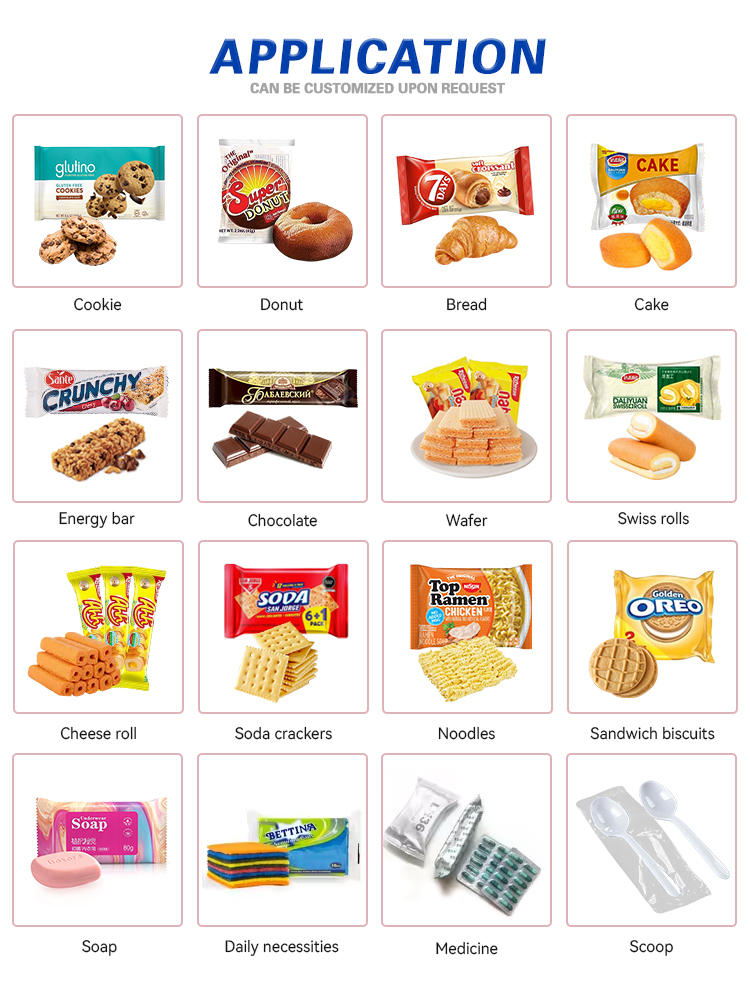
Visual Management: Clearly mark aisles, work zones, and storage areas using color-coded floor tape compact packaging line. Ensure main passageways are wide enough for transport vehicles and include safe corners at intersections.
Future-Proofing: Use movable workstations and modular setups so the line can be easily adjusted for future product iterations or volume changes without needing additional floor space.