

How is the performance of the bread double-bagging machine?
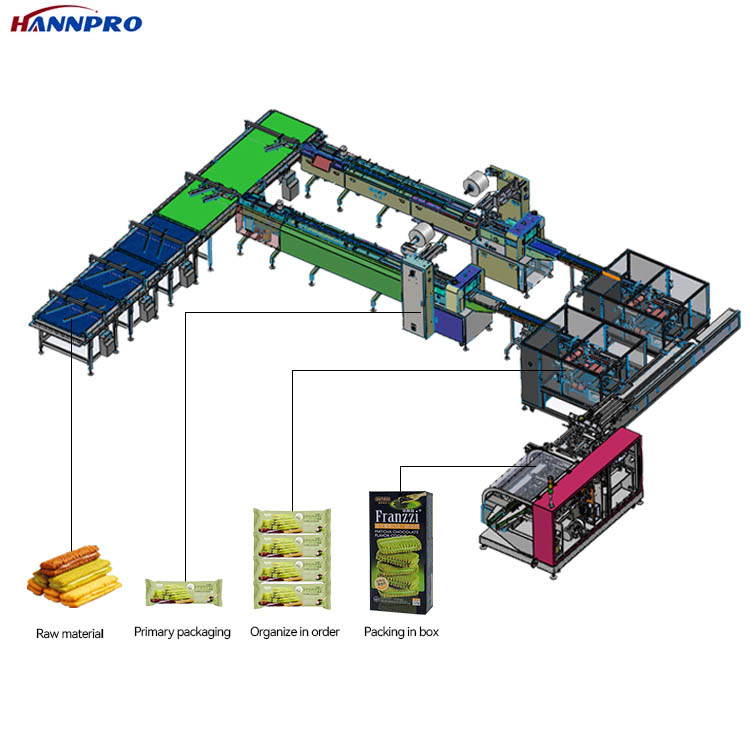
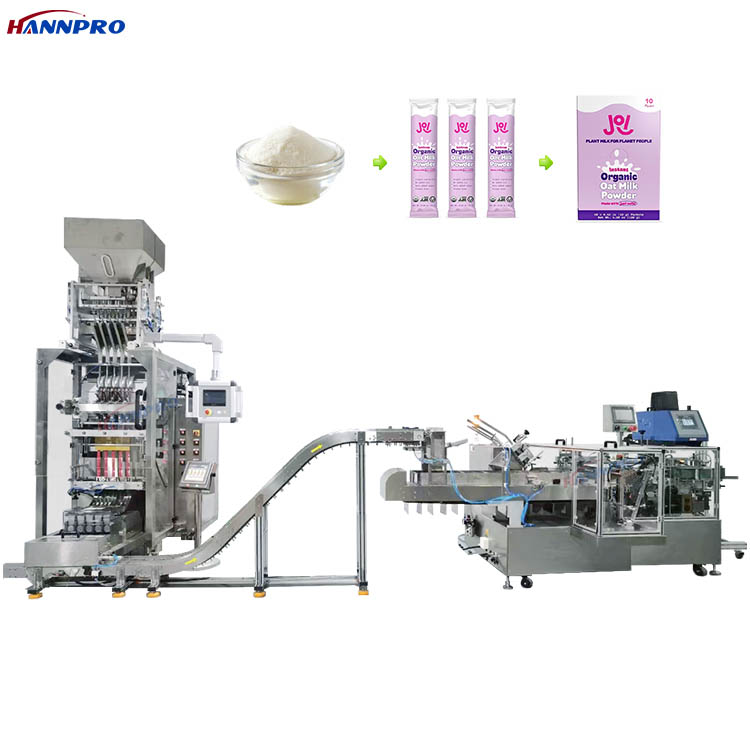
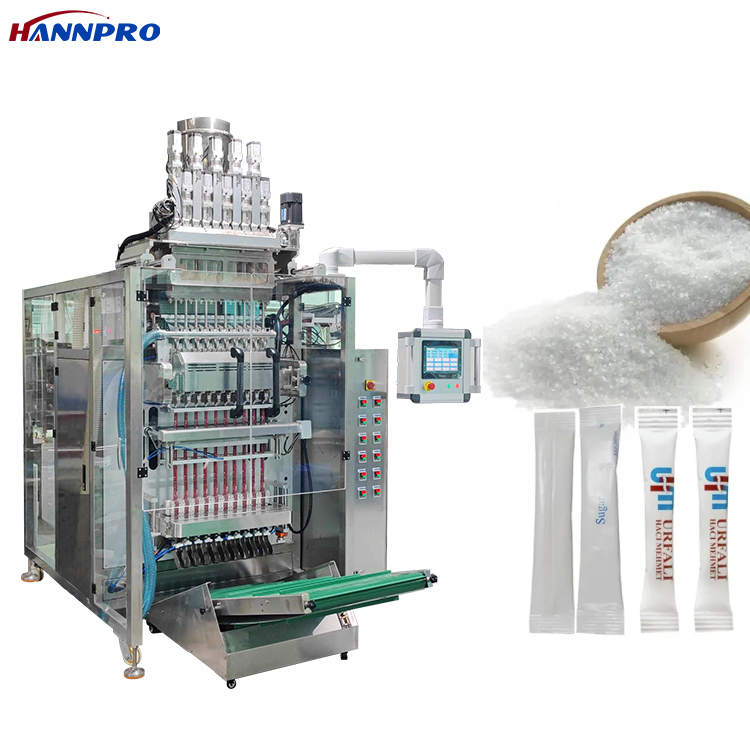
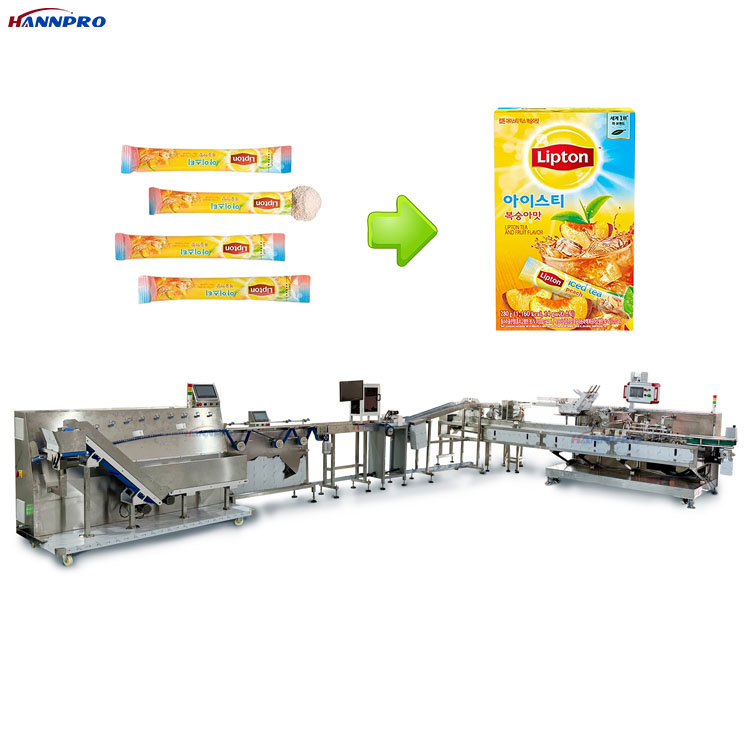
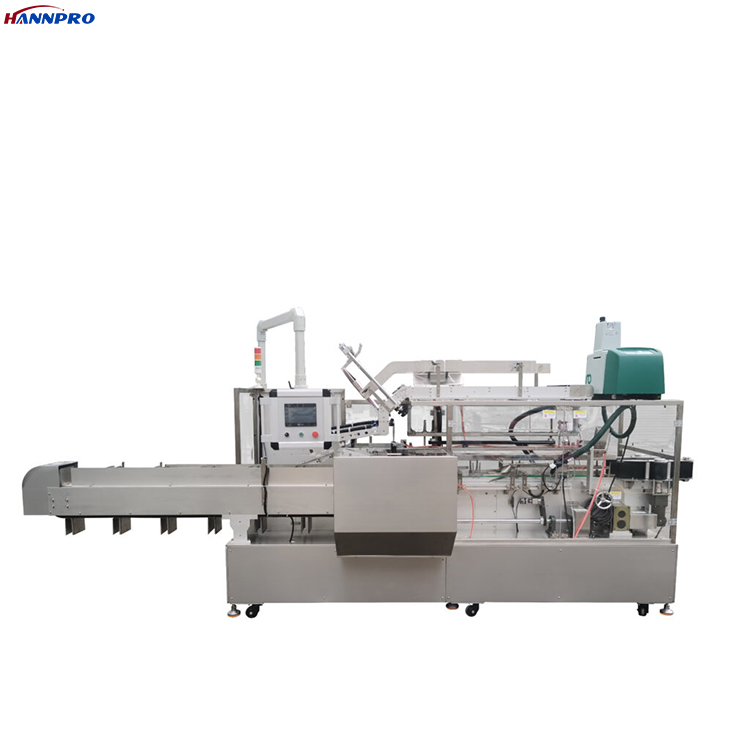
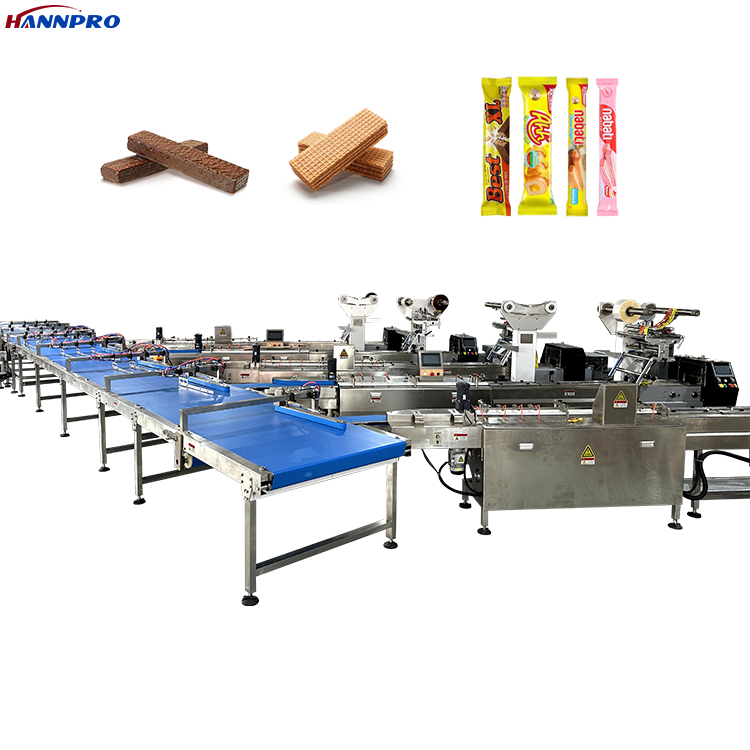
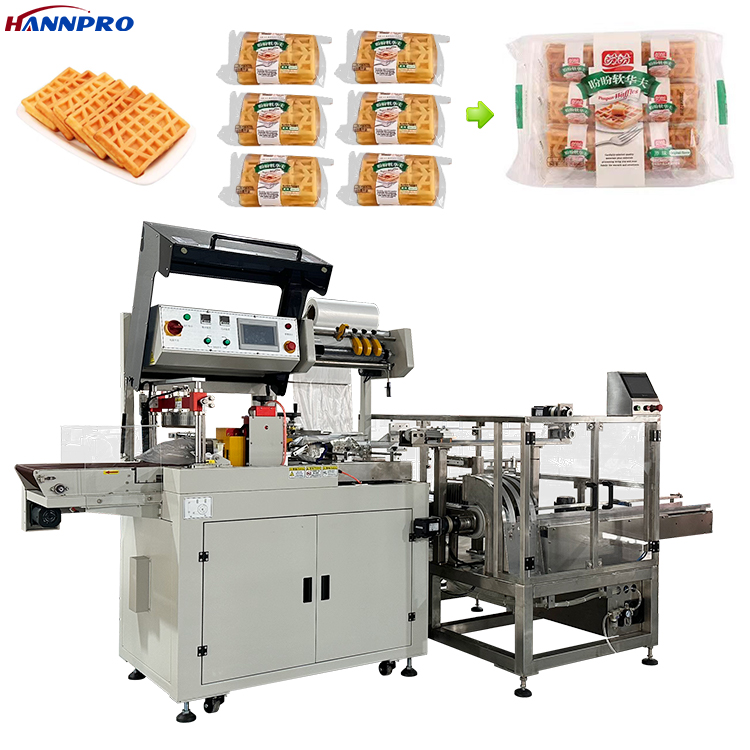
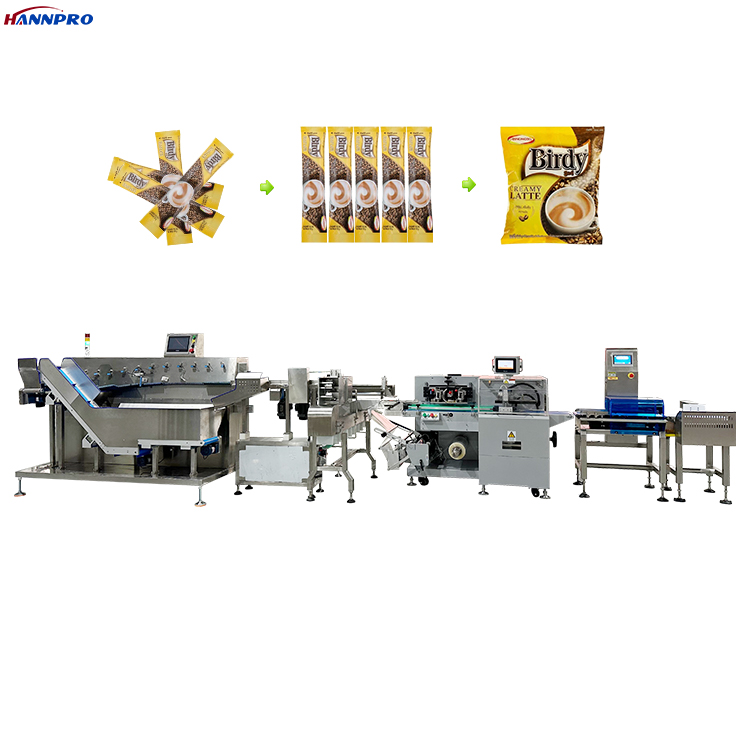
"A bread double-sealing machine" usually refers to an automated equipment used in the bread packaging process to apply a second layer of packaging (such as an outer bag, a tray with a film cover, or dust/transportation bags) to the bread products that have already been initially packaged (like inner bags). This type of equipment is widely used in the food industry bread bagging machine, especially in the baking sector, to enhance packaging efficiency, ensure hygiene standards, and meet the appearance and protection requirements of different sales channels (such as supermarkets, e-commerce, and wholesale).
I. Bread double-bagging machine Equipment Function Features
Automatic bag extraction: Automatically withdraw the outer bag from the bag storage device.
Automatic bag opening: Open the bag through pneumatic or mechanical means bread Second Packaging Machine.
Product positioning and conveying: Accurately deliver the bread that has undergone initial packaging to the outer bag opening.
Bag sealing action: Complete the bag sealing process through mechanical arms bread double-bagging machine, vacuum suction cups, or pushing mechanisms.
Sealing (optional): Some models integrate heat sealing, adhesive sealing, or zipping functions bread bagging machine.
Reject and inspection: Equipped with photoelectric sensors and visual systems to identify abnormalities such as missing bags or misalignment and reject defective products.
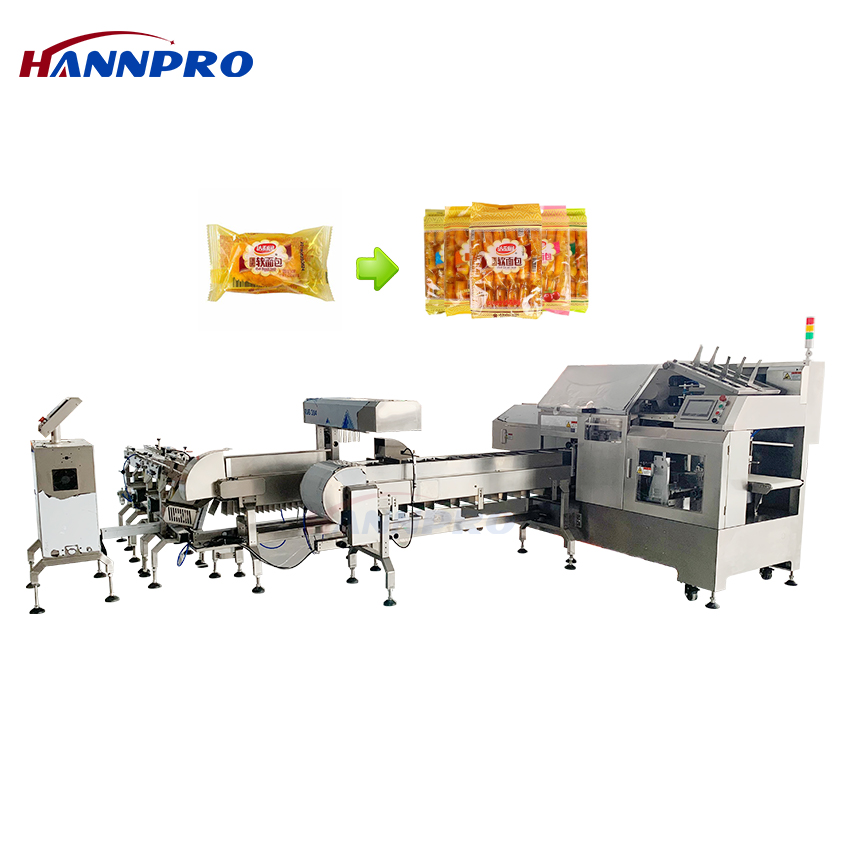
II. Applicable Scenarios
Bakery factories, post-packaging lines of central factories
Products requiring double-layer packaging (e.g.: inner bag preservation + outer bag printing/pressure resistance)
High requirements for appearance and cleanliness bread double-bagging machine of bread in export or high-end retail channels
Independent small packages of bread that need enhanced protection in e-commerce logistics
III.Bread double-bagging machine Common Technical Parameters (Example)
ItemParameter
Production Capacity20–60 packages per minute (depending on product size and bag type)
Compatible Bag TypesFlat bags, self-standing bags bread bagging machine, back-sealed bags, etc.
Power Supply220V/380V, 50Hz
Air Supply0.5–0.7 MPa
Control SystemPLC + touch screen human-machine interface
MaterialSUS304 stainless steel (contact parts)
IV.Bread double-bagging machine Selection Suggestions
Matching product size: Confirm the maximum external dimensions (length × width × height) of the bread after the initial packaging.
Bag compatibility: Specify the material of the outer bag (PE, OPP, composite film, etc.) and the opening method.
Line integration: Whether it needs to be linked with the bread double-bagging machine front cooling line, gold inspection machine, and packing machine.
Hygiene level: Food-grade design bread bagging machine, easy to clean, in line with HACCP or GMP requirements.
The "cost of consumables" for the bagging machine mainly depends on the type, specification, quantity and unit price of the packaging materials (bags) used, while the equipment itself usually does not produce high-value consumables (such as blades and tapes, which are low-frequency and easily damaged parts). Here is a detailed breakdown:

I. Main Consumables Composition
Consumable TypeExplanationCost
Packaging Bags (Main Consumables)PE bags, OPP bags, composite film bags, biodegradable bags, etc.Over 90%
Sealing Consumables (if any)Heat seals, bread bagging machine tapes, ties, etc.<5%
Durable Parts (Low Frequency)Cutting knives, suction cups, belts, heating sheets, etc.<5%, usually amortized annually
II. Cost Estimation for Packaging Bags (Taking the Second Bagging of Bread as an Example)
Suppose you are using an ordinary PE outer bag for the second packaging of the bread:
Single bag size: 300mm × 200mm (unfolded)
Film thickness: 0.03mm (3 filaments)
Material density: PE ≈ 0.92 g/cm³
Weight calculation for a single bag:
Area = 0.3 × 0.2 × 2 = 0.12 m² 2
Volume = 0.12 × 0.003 = 0.00036 cm 3
/cm
2
? More accurate version:
Weight (g) ≈ Length (m) × Width (m) × Thickness (mm) × 0.92 × 2 (for double layer)
= 0.3 × 0.2 × 0.03 × 0.92 × 2 ≈ ∗∗ 0.033 grams per bag ∗∗
In practice, due to the bag-making process (heat sealing bread double-bagging machine, punching holes, etc.), it is generally more reasonable to consider 0.04–0.06 grams per bag.
Price of PE raw material (market price in 2025): approximately 10–14 yuan per kilogram (ordinary grade), slightly higher for food grade.
Cost of single bag material:
0.05g × 1000g
12 yuan
=∗∗0.0006 yuan per bag∗∗
Note: This is the cost of raw materials bread bagging machine. When purchasing the finished bags for actual use, you need to consider the bag-making processing fee, printing, logistics, etc. Therefore:
Bag typeUnit price range (reference for 2025)
Ordinary unprinted PE flat bag (food grade)¥0.03 – ¥0.08 / piece
Printed OPP self-standing bag¥0.10 – ¥0.30 / piece
Biodegradable PLA/POF bag¥0.15 – ¥0.40 / piece
III. Annual consumable cost examples (bread factory scenario)
Assume:
Daily production: 5,000 loaves of bread (requiring secondary bagging)
Use ordinary food-grade PE bags, with a unit price of ¥0.05 per bag
Annual working days: 300 days
Then:
Annual bag usage = 5,000 × 300 = 1.5 million pieces
Annual material cost = 1,500,000 × 0.05 = 75,000 yuan
If eco-friendly degradable bags (¥0.25 each) are used, the cost will increase to 375,000 yuan per year.
IV.
Bread double-bagging machine
Strategies for Reducing Consumables Costs
Optimize bag design: Reduce redundant dimensions bread bagging machine, adopt narrow-edge sealing, and reduce film thickness (e.g., from 0.03mm to 0.024mm).
Batch purchasing: Sign an annual agreement with the packaging material factory, which can reduce the unit price by 10% - 20%.
Choose high-efficiency equipment: As mentioned earlier bread Second Packaging Machine, the heat shrink film machine can achieve a film material utilization rate of 98.5%, significantly reducing waste from edges and corners.
Recycling (if compliant): Some PE waste bags can be recycled into granules (must comply with food contact regulations).
V. Comparison: Consumables Differences between Manual and Automatic Bag Sealing
Manual bag sealing: Prone to tearing and inaccurate size cutting → Waste rate of consumables is approximately 5% - 10%
Automatic bag sealing machine: Precise bag feeding, tension control → Consumption rate can be controlled at <1%
That is: Automation not only saves labor but also indirectly reduces consumables costs.
Bread double-bagging machine Summary
The cost of the bagging machine itself is almost negligible bread Second Packaging Machine. The real cost lies in the packaging bags themselves.
For the double-bagging of bread, the cost of a single bag usually ranges from ¥0.03 to ¥0.30. The annual material expenditure varies from several tens of thousands of yuan to several hundred thousand yuan, depending on the production volume and the type of bag chosen.
If you could provide the specific bag type, daily production volume or product size, I can assist you in conducting a more accurate cost calculation.