

Why is the automatic cake packaging production line the key engine for the intelligent upgrade of the baking industry?
With the continuous improvement of consumers' demands for food safety automatic cake packaging line, hygiene standards and product aesthetics, the traditional manual packaging method has become difficult to meet the modern needs of scale, standardization and efficiency in the production of baked goods such as cakes. Against this backdrop, the automatic cake packaging production line emerged and quickly became the core equipment for baking enterprises to increase production capacity, ensure quality and reduce costs. By 2025, over 60% of medium and large-sized baking factories in China have introduced automated packaging systems, and this proportion is still on the rise. This article will comprehensively analyze the development and application value of the automatic cake packaging production line from multiple dimensions, including technical principles, core components, market status, selection strategies, maintenance management, and future trends.
I. What is a cake automatic packaging line?
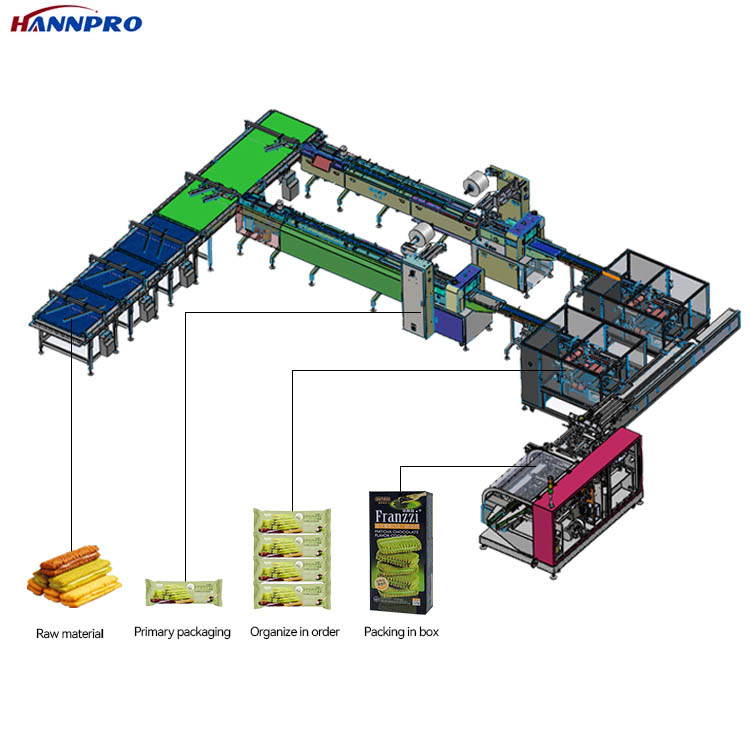
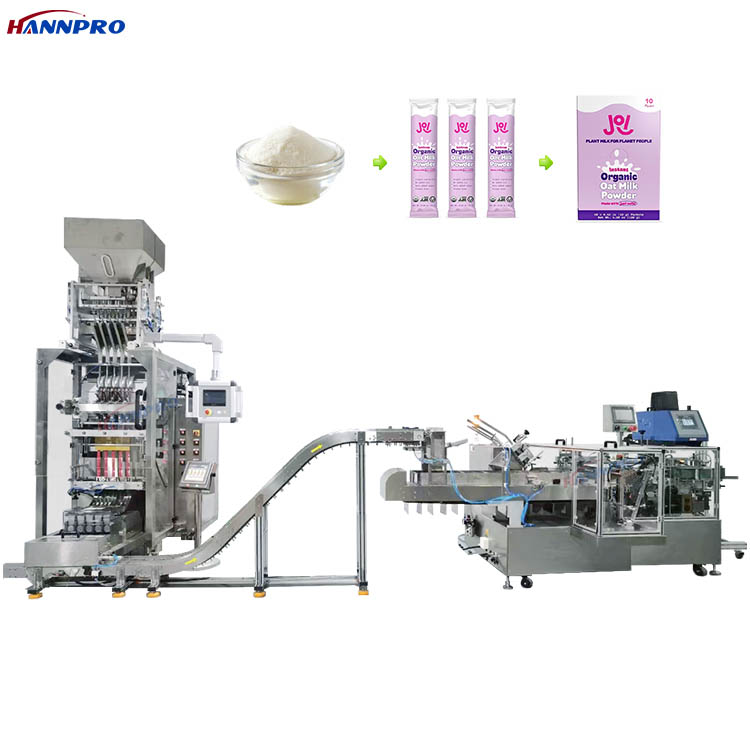
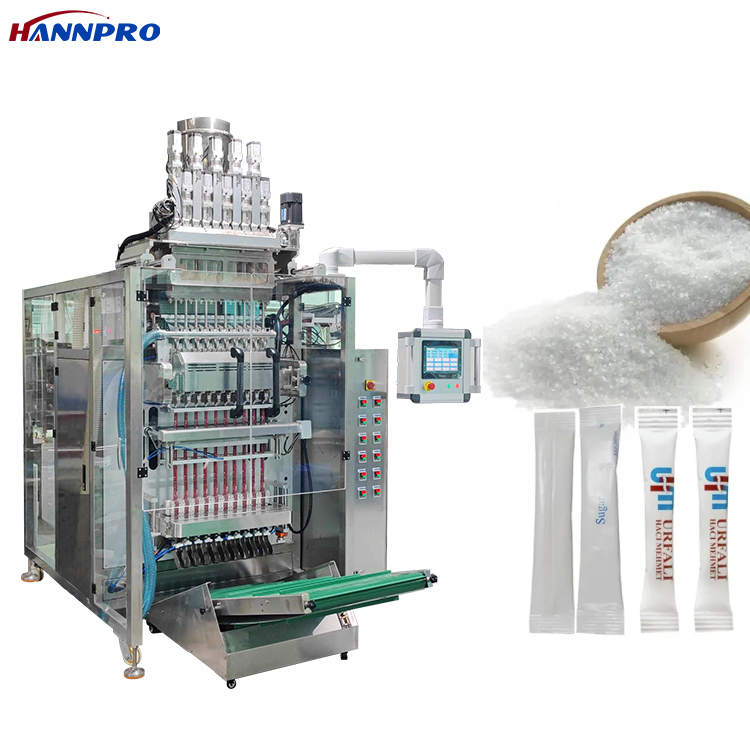
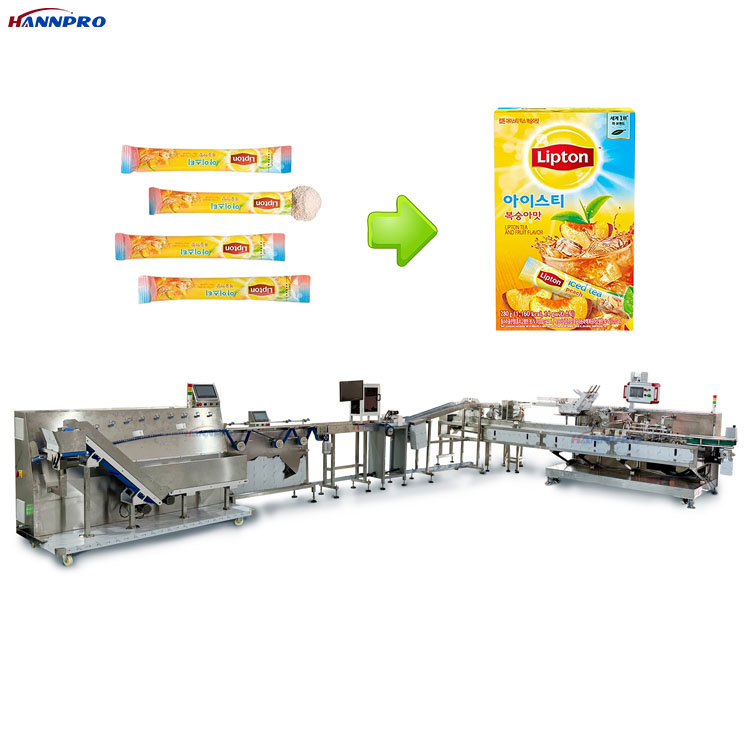
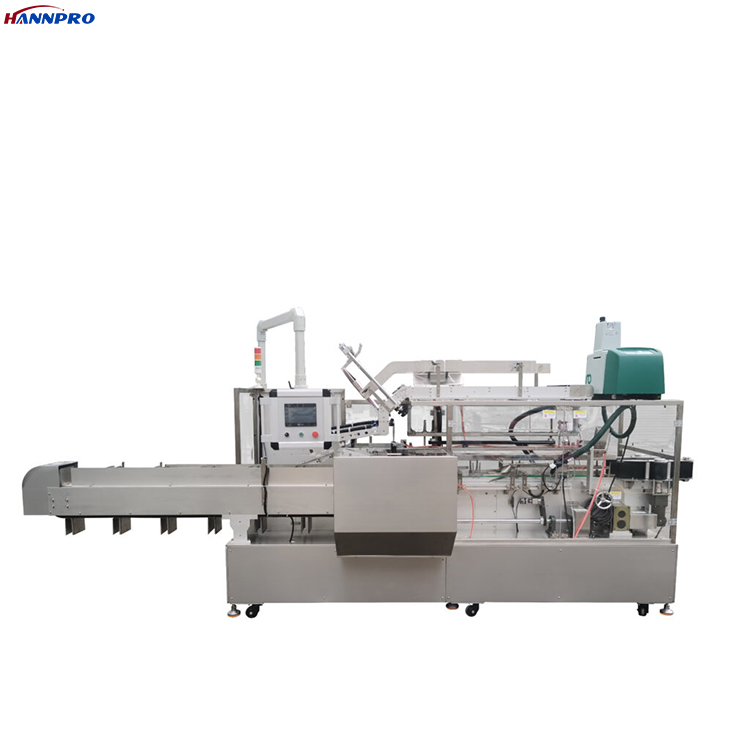
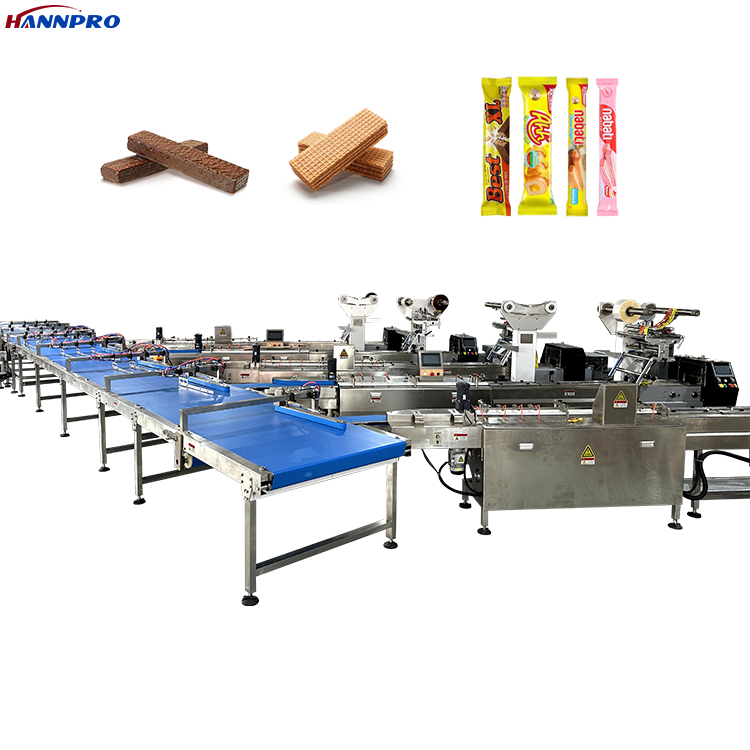
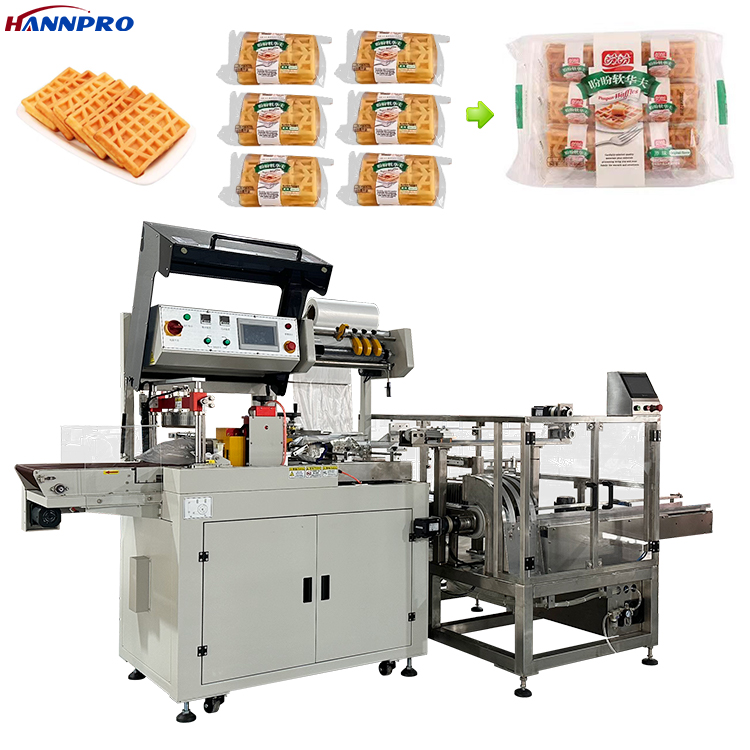
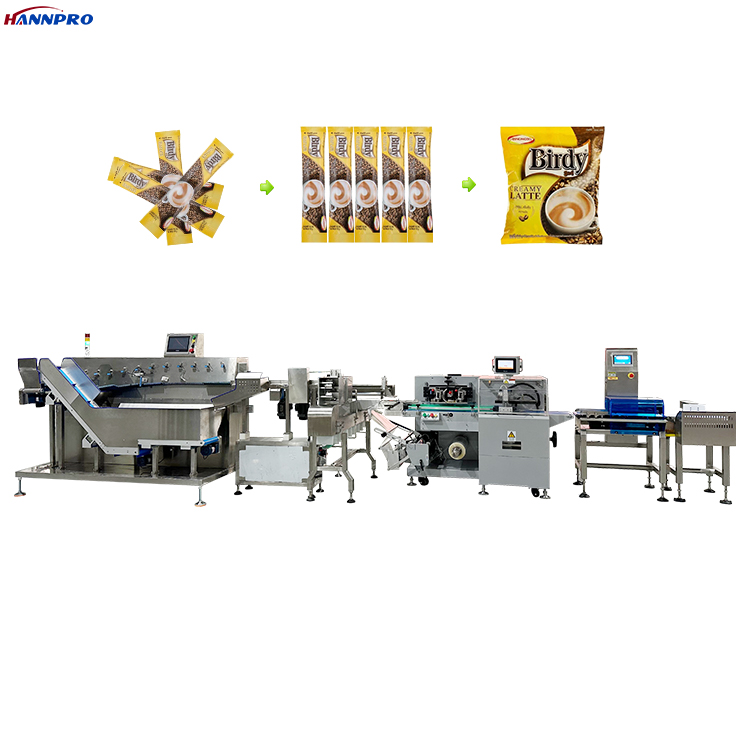
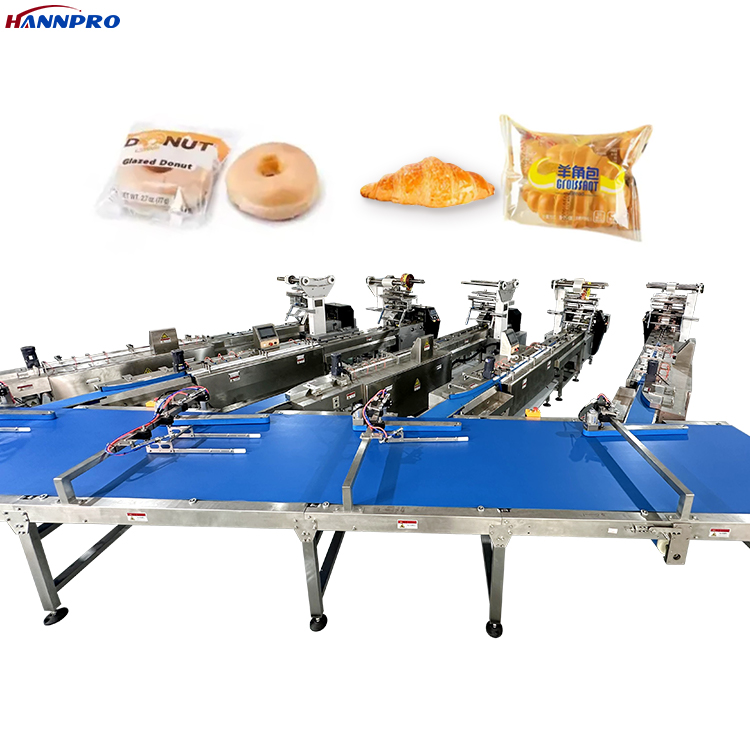
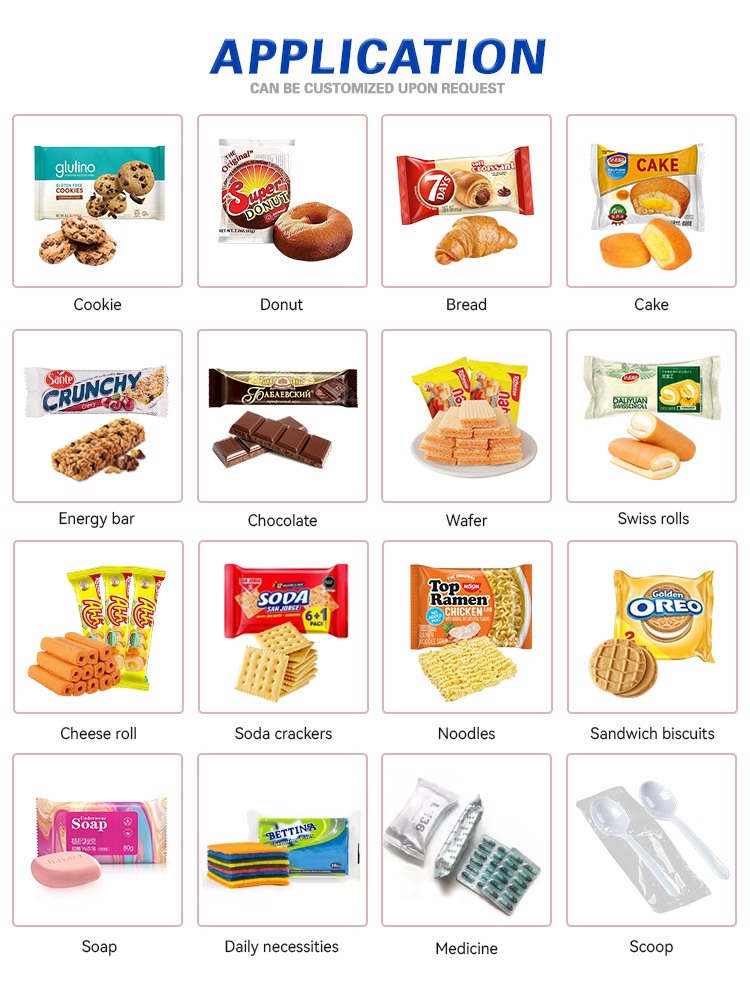
The automatic cake packaging production line refers to an integrated equipment system that integrates functions such as automatic material arrangement, conveying, bagging (or boxing), sealing, coding, inspection, and stacking. It is specially designed for soft baked goods such as cakes, cupcakes, muffins, egg yolk pastries, and cookies. Its core objective is to achieve a packaging process that is "unattended, continuous, and highly consistent".
Compared with traditional manual packaging, automatic lines have the following significant advantages:
Efficiency improvement: The single-line production capacity can reach 60 to 300 packs per minute, far exceeding manual labor (typically 10 to 20 packs per minute).
Health security: Reduce human contact to lower the risk of microbial contamination automatic cake packaging line;
Cost optimization: It can save more than 50% of labor costs in the long term.
Standardized output: Smooth sealing, consistent bag length, clear labels, enhancing brand image;
Data traceability: Supports coding, scanning and networking, facilitating quality tracking and supply chain management.
Ii. Core Components and Working Principles
A complete automatic cake packaging line is usually composed of the following modules:
1. Automatic material arrangement system
Be responsible for arranging the randomly placed cakes neatly at fixed intervals and in fixed directions automatic cake packaging line. Common forms include:
Vibrating tray + synchronous belt: Suitable for round or regular-shaped cakes;
Robotic arm grasping + visual positioning: For irregular-shaped or high-end products (such as decorated cakes);
Multi-channel parallel material arranging machine: Enhance throughput automatic cake packaging line, suitable for high-speed packaging.
2. Conveying and transition mechanism
Food-grade PU or stainless steel chain plate conveyor belts are used to smoothly feed the cakes into the packaging area. Some high-end lines are equipped with buffer zones to prevent the entire line from being interrupted due to upstream downtime.
3. Pillow packaging main unit (Core
This is the "heart" of the entire line, driven by three servo motors (longitudinal sealing, transverse sealing, and feeding), and coordinated actions are achieved through a PLC control system. The workflow is as follows:
The packaging film unfolds from the roll.
The cake enters the mold and is wrapped into a "pillow shape".
Longitudinally seal and heat-press the sides automatic cake packaging line.
The horizontal seal is cut off and the front and rear seals are completed.
The finished products are output to the next workstation automatic cake packaging line.
Supports multiple film materials: OPP, CPP, PET, aluminum foil composite film, etc. It can also be equipped with a nitrogen-filled preservation function to extend the shelf life.
4. Auxiliary Function Module (Optional)
Date/batch inkjet printer: Laser or thermal transfer coding;
Metal/Foreign object detector: Ensuring food safety automatic cake packaging line;
Automatic tray loading machine: Place the cake in a paper tray before packaging.
Weighing and rejection system: Automatically reject products with abnormal weight.
Visual inspection system: Identify problems such as poor sealing and material shortage automatic cake packaging line.
5. Control and Human-Machine Interface
It adopts touch screen HMI+PLC control, supporting one-click switching of product parameters (such as bag length, temperature, speed), with simple operation and self-diagnosis of faults.
Iii. How to Select the Right Type Scientifically? Key considerations
When enterprises purchase cake packaging lines, they should comprehensively evaluate the following dimensions:
1. Product features
Cake size (diameter, height), shape (round, square, irregular);
Whether the surface is easily damaged (such as cream, fruit decorations);
Whether pallets are needed and whether nitrogen is required for preservation automatic cake packaging line.
For example, cupcakes are suitable for being prepared with flexible grippers. Raw cakes need to be designed to withstand pressure.
2. Capacity demand
The daily output determines the equipment speed. For example:
For a daily output of 1,000 pieces, choose models with a capacity of 30 to 60 packs per minute.
Daily output of over 5,000 pieces → Dual-channel or high-speed line (150+ packages per minute) is recommended.
3. Degree of automation
If there is sufficient manpower and a limited budget, a semi-automatic line can be selected automatic cake packaging line.
If one pursues a "dark factory" or export certification, full automation and data networking are required.
4. Materials and compliance
The body is recommended to be made of 304 stainless steel, which complies with the GB 4806 standard for food contact materials.
For electrical components, it is recommended to give priority to brands such as Siemens, Mitsubishi and Delta, as they offer higher stability.
5. After-sales service
Does it offer a 24-hour response?
Is the spare parts inventory sufficient?
Does it support remote diagnosis?
Iv. Installation, Commissioning and Daily Maintenance
Installation and commissioning
The vast majority of manufacturers offer free on-site services, and the process includes:
Equipment positioning and level calibration;
The power supply (usually 380V three-phase electricity) is connected to the gas source.
Parameter Settings (film length, sealing temperature, speed, etc.);
Trial operation with the actual products of the customer;
Operator training (1-2 people, half a day to one day);
Acceptance signature, delivery for use.
Suggestion: Clearly stipulate in the contract that "the balance will be paid after acceptance" to safeguard your rights and interests.
Key points of daily maintenance
Daily: Clean up residues (especially powdered sugar and cream), and check if the cutter is blunt.
Weekly: Lubricate the transmission chain and bearings;
Every quarter: Calibrate sensors and check belt tension;
Every year: Conduct a comprehensive overhaul of the electrical system and replace vulnerable parts (such as suction cups and heating plates).
Good maintenance can extend the service life of equipment to 10 to 15 years, while the opposite may lead to frequent malfunctions within 5 years.
V. Return on Investment Analysis (ROI)
Take a fully automatic cake packaging line priced at ¥80,000 as an example
Replacement of manual labor: Originally, 4 packers were needed (monthly salary ¥5,000 per person), with an annual salary expenditure of ¥240,000.
Equipment depreciation: Based on a 10-year lifespan, the annual depreciation is ¥8,000.
Electricity and consumables: approximately ¥10,000 per year;
Annual cost savings ≈ ¥240,000 - ¥18,000 = ¥222,000;
The payback period is approximately 4 to 6 months.
In addition, automation can also reduce the waste of packaging film, lower the rate of defective products, enhance customer satisfaction, and bring hidden benefits.
Vi. Future Development Trends
The integration of intelligence and Industry 4.0
The equipment is connected to the MES/ERP system to achieve real-time monitoring of production data.
AI visual inspection automatically identifies sealing defects and product omissions.
Remote operation and maintenance enables manufacturers to diagnose faults online.
2. Flexible design
Quick model change (<15 minutes) to adapt to different products;
The modular structure allows users to add or remove functional units as needed.
3. Green and environmentally friendly
Support packaging with degradable films (such as PLA, PBAT);
Energy-saving motors and heat recovery technology reduce energy consumption.
4. Miniaturization and desktop design
For community bakeries and private cake makers, we have launched micro automatic packaging machines with an area of less than 2 square meters, priced as low as ¥3,000 to ¥8,000, promoting the penetration of automation.
Conclusion
The automatic cake packaging line is not only an efficiency tool but also a strategic fulcrum for baking enterprises to move towards modernization, standardization and internationalization. It liberates human resources from repetitive labor, allowing enterprises to focus on product research and development as well as brand building. With the continuous maturation of technology and the sustained decline in costs, automated packaging is moving from being "exclusive to major manufacturers" to "universal application". For any baking professional who hopes to stand out in the fierce market competition, introducing an automatic packaging line that matches their own needs at the right time is no longer a matter of "whether to do it or not", but a strategic decision of "when to do it and which product to do it".